
What Causes a Roof Leak When There’s No Storm?
Homeowners naturally connect roof leaks to hurricanes and heavy rain, so a leak on a clear, calm day feels like it shouldn’t be possible. It is — and in our experience inspecting roofs across Palm Beach County, non-storm leaks are common enough that they have a predictable list of causes:
- Attic condensation — warm, moist indoor air rising into a poorly ventilated attic and condensing on cool surfaces overnight.
- Cracked or shrunken flashing and pipe boots — the rubber and metal seals around vents, skylights, and roof-to-wall joints, degraded by years of Florida sun.
- Clogged gutters and valleys — debris that backs water up under shingles or tile even without a downpour.
- Aging roofing material — a roof nearing or past its expected service life loses its ability to shed water reliably, storm or no storm.
- Blocked or damaged ventilation — soffit and ridge vents that no longer let the attic breathe, trapping moisture against the deck.
Every one of these can produce the same symptom — a ceiling stain that appears without an obvious storm — which is why an accurate diagnosis matters more than guessing.
Is It Condensation or a Real Leak?
This is the first fork in the road, and it changes the fix entirely.
| Sign | Points toward condensation | Points toward a leak |
|---|---|---|
| Location | Scattered, often near bathroom/kitchen vents or the attic hatch | One consistent spot, often below a penetration, valley, or wall |
| Timing | Worse overnight or early morning; eases as the attic warms | Appears or worsens during or right after any rain, heavy or light |
| Pattern over time | Comes and goes with humidity and season | Stain ring keeps expanding outward |
| Smell | Musty attic odor is common | May or may not have an odor |
If you can’t tell which one you’re looking at, that’s normal — both a free roof inspection and a look inside the attic are the only way to know for certain.
What Are the Warning Signs of a Hidden Roof Leak?
Before a stain ever reaches your ceiling, a leak is usually visible from the attic or from the roof itself. Watch for:
- Discolored, dark, or soft roof decking seen from inside the attic.
- Daylight visible through the roof deck.
- Rusted nail heads or fasteners in the attic.
- Sagging or stained insulation.
- A musty smell when you open the attic access.
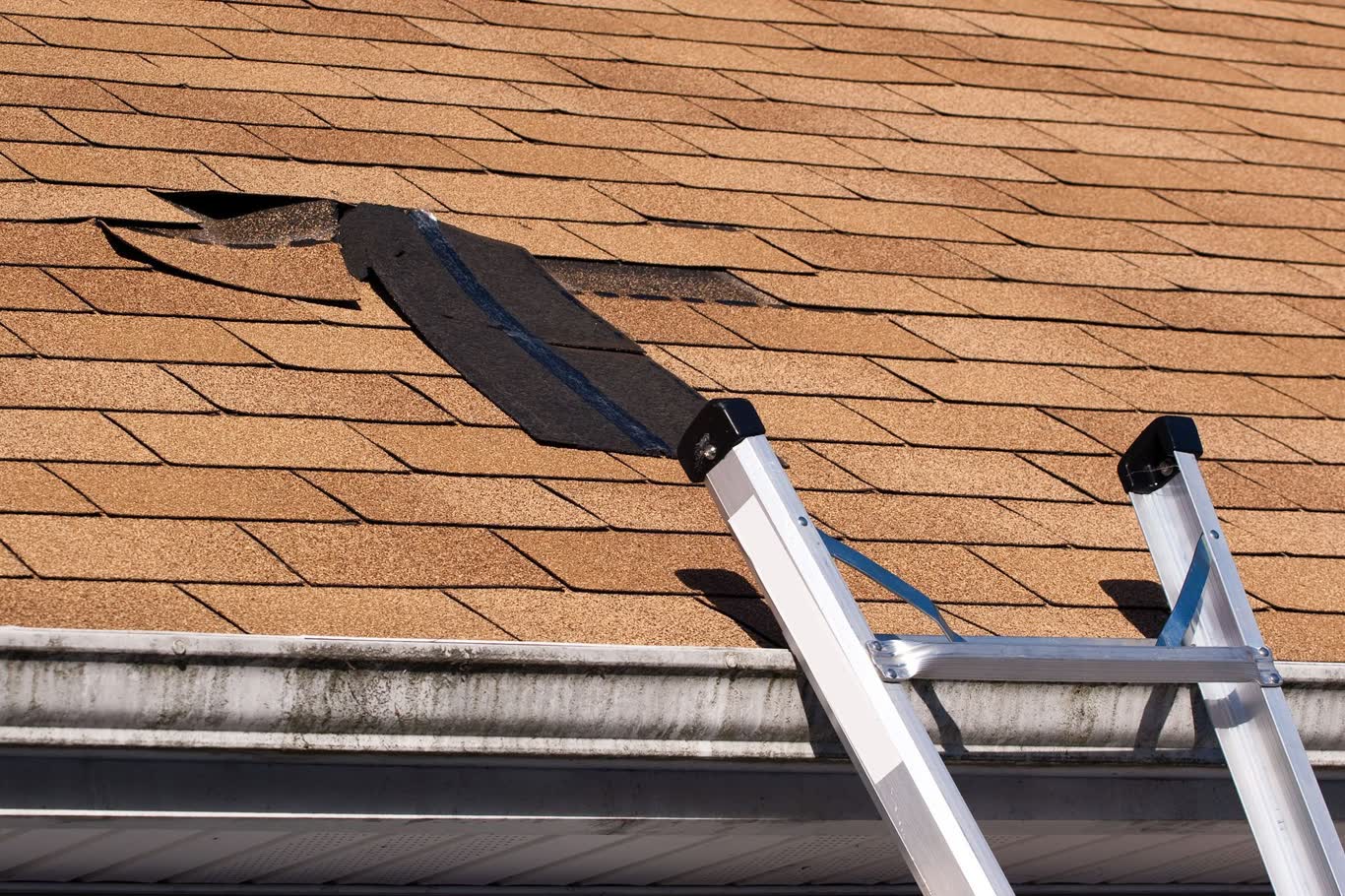
- Cracked, curled, or missing shingle tabs, or lifted tile, visible from the ground.
Why Do Flashing and Pipe Boots Fail in Florida’s Sun?
Flashing and the rubber boots around plumbing vents are small parts doing a big job — sealing every place where something breaks through the roofing material. In South Florida’s UV exposure and heat cycling, the rubber component of a pipe boot commonly hardens and cracks years before the shingles or tile around it show any wear. Once that happens, water gets in around the pipe on days with nothing more than dew or a light shower, tracks along the underside of the deck, and shows up as a stain nowhere near the actual entry point — which is part of why these leaks are so often misdiagnosed as something more serious.
Can Clogged Gutters and Valleys Cause a Leak Without Rain?
Yes, indirectly. Palm Beach County’s tree canopy and seasonal pollen and debris load gutters and roof valleys faster than most homeowners expect. When a valley is packed with debris, water that should run off pools instead, sits against the roofing material, and works its way under shingles or tile edges during even minor rain — then evaporates by the time you notice the stain, leaving you with a leak that seems to have appeared on a dry day. Keeping gutters and valleys clear is one of the simplest ways to prevent this category of leak entirely.
Is a “Mystery Leak” Actually a Ventilation Problem?
Often, yes. A soffit vent blocked by insulation, paint, or a wasp nest cuts off the intake air a roof needs to ventilate properly. Without that airflow, humid attic air has nowhere to go, and it condenses on the underside of the deck and on rafters — especially overnight as temperatures drop. The result looks exactly like a leak: a wet stain, a musty smell, sometimes visible mold. But chasing the stain with roofing repairs won’t fix a ventilation problem, and the moisture keeps coming back. This is one of the reasons a proper diagnosis starts in the attic, not on the roof.
What Should You Do If You Find a Clear-Day Leak?
Here’s what we recommend, in order:
- Document it. Photograph the stain, note the date, and note whether it changed after the most recent rain.
- Check the attic yourself if it’s safe to do so. Look for damp insulation, staining on the underside of the deck, and daylight through the roof.
- Don’t assume it’s cosmetic. Trapped moisture affects wood framing and insulation whether or not the visible stain is growing.
- Schedule a roof and attic inspection. A licensed roofer can trace the actual water path, not just the visible stain, and tell you whether the fix is flashing, a vent, a clogged valley, or ventilation.
- Get the fix in writing. Ask what specifically failed and what the repair addresses, so you know the root cause was fixed and not just the symptom.
See our roof repair page for how we handle leak diagnosis and repair, or start with a free roof inspection if you’re not sure yet whether it’s urgent.
Will Homeowners Insurance Cover a Non-Storm Roof Leak?
It depends on the cause, and this is where documentation matters. Florida homeowners policies generally cover sudden, accidental water damage, but typically exclude damage attributed to long-term wear, lack of maintenance, or a roof past its useful life. A leak traced to a specific, sudden event is treated differently by an adjuster than one traced to a roof that’s simply aging out. For a fuller walkthrough of how Florida insurers draw that line, see our guide to storm damage vs. normal wear.
This article is general information, not legal or insurance advice. Confirm coverage details with your insurer and a licensed contractor.
Found a leak with no storm in sight? Dalton Roofing inspects the attic and the roof, traces the actual cause, and gives Palm Beach County homeowners — from Wellington to Loxahatchee and across the county — a straight answer before any repair starts. Schedule a free roof inspection or call (561) 662-6622. Se habla español.