
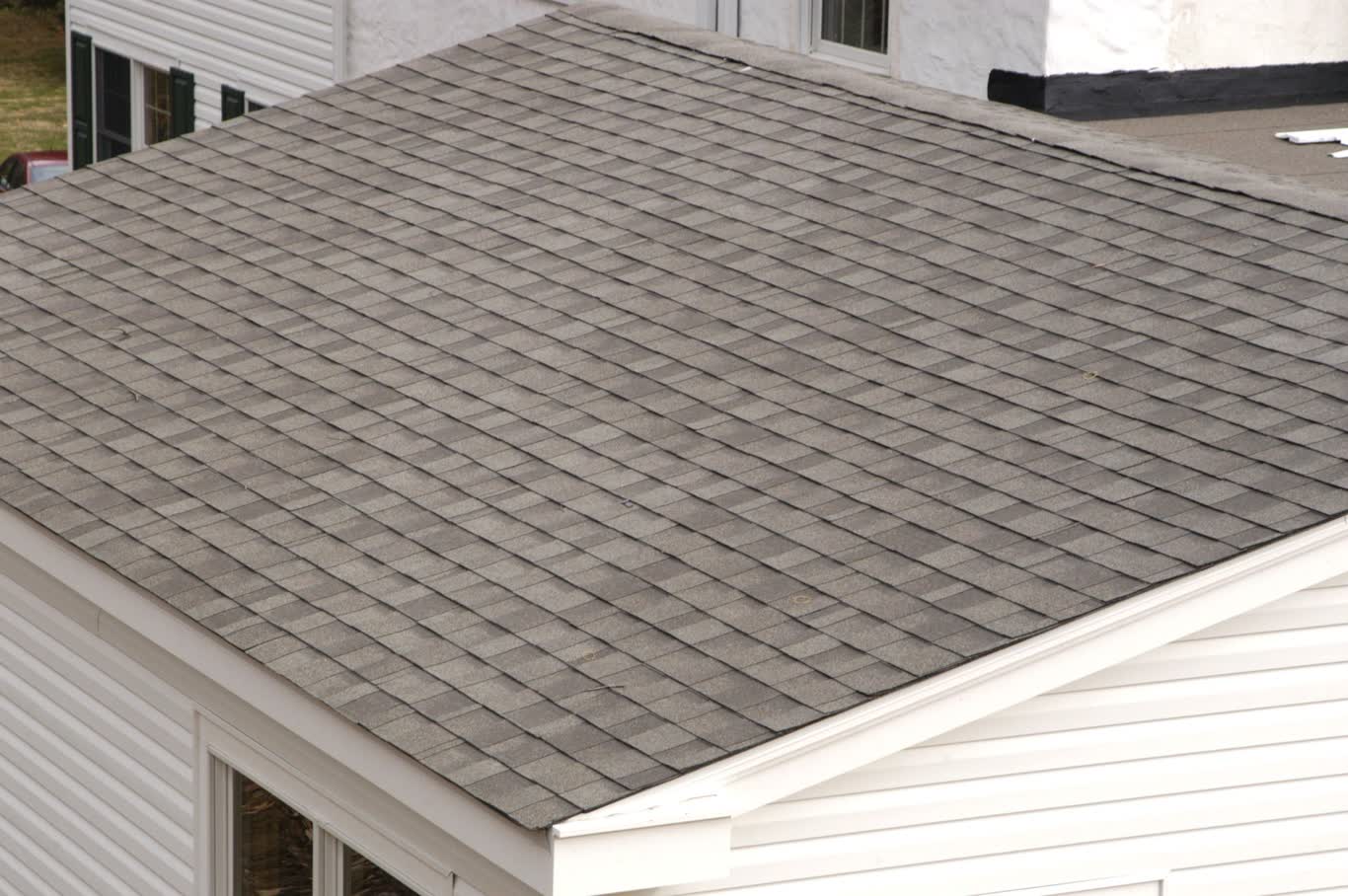
After months away, check ceilings, closets and the attic for stains or musty smells, then look at the roof from the yard. If anything looks off, book a free roof inspection before you unpack. Dalton Roofing in Fort Pierce can look at it and give you a written summary with no obligation.
This guide is for part-year residents coming back to a closed-up house in Port St. Lucie, Stuart, Jupiter and the nearby towns. Most roof trouble starts small. A quick check now is easier than finding a wet ceiling in January. If you want a pro to look, see our roof inspection page.
Why look at the roof first after months away?
Look at the roof first because nobody was home to notice a problem. Summer rain, wind and a full hurricane season all passed while the house sat empty. A small leak can run for weeks without anyone seeing it.
A closed house also hides things. Water can stain a ceiling, soak insulation or feed mold, and the damage keeps growing until someone opens the door. When you walk in, the roof is the first thing to rule out.
If you want a refresher on what to look for each year, our hurricane season roof prep checklist is a good companion to this one.
What do ceilings and attic corners show?
Ceilings and attic corners show water that got in while you were gone. Brown or yellow stains, bubbling paint and a musty smell all point to moisture from above.
Walk through the house before you unpack and check these spots:
- Ceilings in every room, especially below the roof ridge and near exterior walls.
- Closet ceilings and the shelves under them.
- Corners where two walls meet the ceiling.
- Around bathroom fans, light fixtures and recessed lights.
- The attic, if you can reach it safely, for dark wood, wet insulation or daylight.
Use your nose as well as your eyes. A damp, stale smell in one room is a clue, even if the paint looks clean. Take your own photos of anything odd. Do not climb on the roof to chase a stain.
What can you see from outside?
From the yard you can spot missing, lifted or cracked roofing, sagging lines and debris. Stand back far enough to see the whole slope, and walk all the way around the house.
Here is a simple ground-level check:
- Look for shingles that are missing, curled or out of line.
- On a tile roof, look for cracked, slipped or missing tiles.
- On a metal roof, look for loose panels or lifted edges.
- Check the ridge line for dips, waves or soft-looking spots.
- Look at metal flashing around chimneys, vents and skylights.
- Check gutters and downspouts for debris, sagging or loose pieces.
- Look for limbs or fronds that have fallen onto the roof.
Binoculars help. They let you see a lot from the ground. Roofs are slick and steep, and a fall is a bigger problem than a leak, so keep your feet on the ground.
Also look at the soffit and fascia, the trim along the roof edge. Dark, soft or peeling wood there can mean water has been getting in for a while. Our post on soffit and fascia rot after a storm explains what that looks like.
What would an inspection add?
An inspection adds a trained look at the parts you cannot see from the ground, plus a written record. Dalton offers a free roof inspection with a written summary and no obligation.
We climb up and check the surface, the flashing and the roof edges up close. If a problem turns up, estimates are written and itemized after the inspection, so you can read what is being proposed before you decide anything.
You do not have to wait for a stain to book one. For a house that sat closed all summer, an inspection is a sensible first step on your to-do list. Whether you own a shingle, tile, metal or flat roof, we handle all of them.
If you need help with something you found, see our pages on roof repair or storm and emergency roof repair. We offer 24/7 storm and emergency response.
How do dated photos help later?
Dated photos give you a clear record of what the roof looked like on the day it was checked. Dalton documents any damage it finds with dated photos during an inspection.
That record is useful in a few ways. It shows what was there when you returned, so a later change is easier to spot. It also gives you something to show a contractor or an adviser, instead of trying to remember details from months ago.
Keep your own set too. Take a few photos from the yard each season, with the date on them, so you can compare one visit to the next. A snowbird who comes and goes has a hard time knowing when something changed. Photos fix that.
What can wait, and what should not?
A stain on the ceiling should not wait, because water keeps coming in each time it rains. Cosmetic concerns, like faded color, can usually wait for a calmer week.
Act soon if you see any of these:
- A wet or dripping ceiling.
- Missing or broken roofing.
- Light showing through in the attic.
- A strong musty smell in one room.
If something is leaking right now, put a bucket under it, move belongings away and call. For active leaks after a storm, we can respond 24/7.
Back for the season and want the roof looked at? Call Dalton Roofing Inc at (561) 662-6622 to schedule a free roof inspection. Se habla espanol.
Frequently Asked Questions
Should I go on the roof myself when I get home?
No. Roofs are steep and slick, and a fall is worse than a leak. Use binoculars from the yard and check ceilings and the attic from inside. Leave the climb to a roofer.
Does the inspection cost anything?
Dalton offers a free roof inspection with a written summary and no obligation. If repairs are needed, the estimate is written and itemized after the inspection.
Do you speak Spanish?
Yes. English and Spanish are both spoken at Dalton Roofing. Call (561) 662-6622 and ask for help in Spanish if you prefer.
What if I find a leak after a storm while I am home?
Move belongings out of the way, set a bucket under the drip and take photos. Dalton offers 24/7 storm and emergency response, so you can call at any hour.