Property owners and homeowners across the Treasure Coast and Palm Beach County ask us about roof coatings when a roof is showing its age but isn't leaking yet. Here's how to tell whether a coating is the right call for your roof.
What Is a Roof Coating, and What Roofs Can Be Coated?
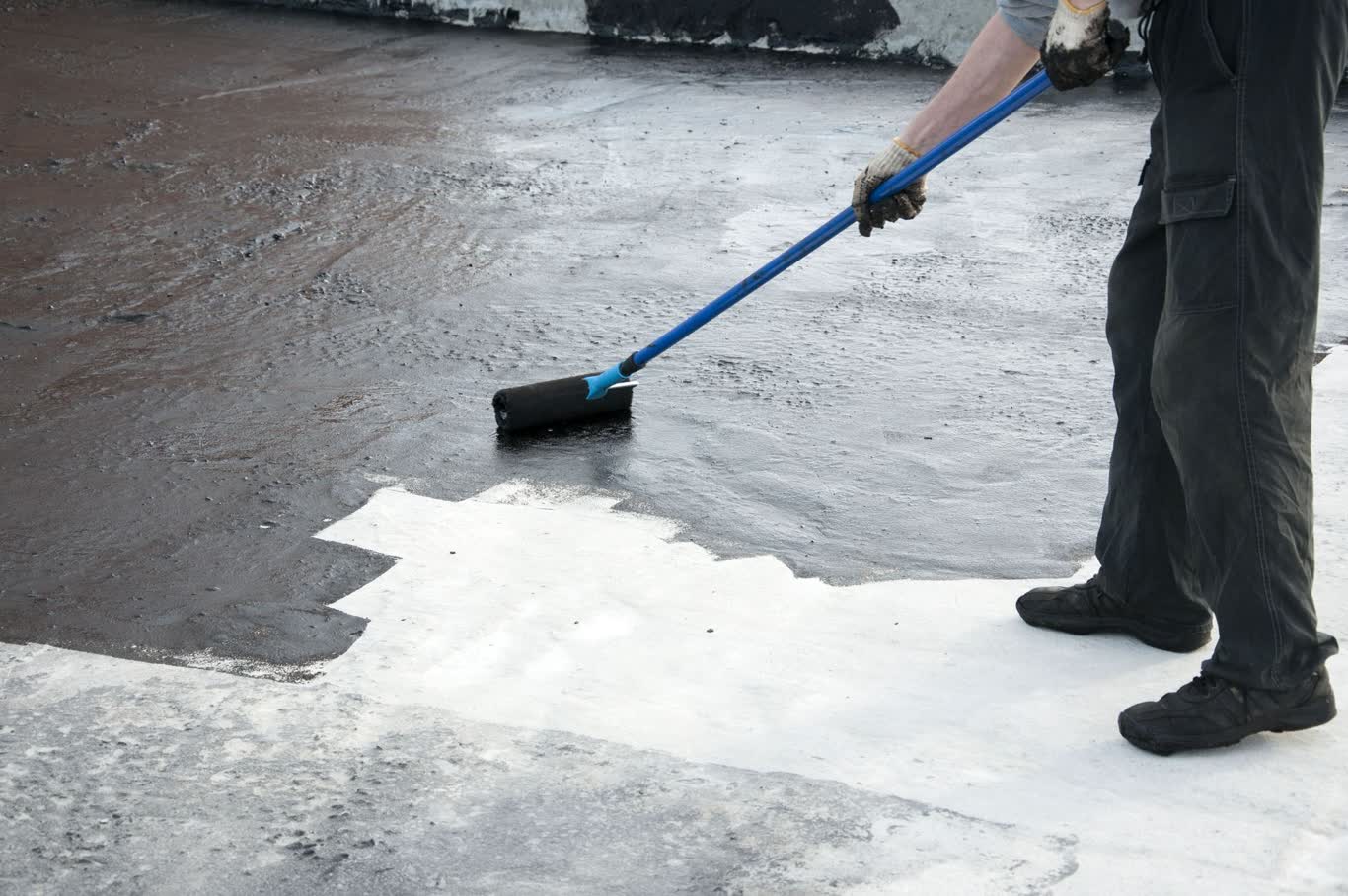
A roof coating is a field-applied liquid membrane — typically silicone or acrylic — rolled or sprayed over an existing roof surface to seal, waterproof, and reflect sunlight. It's a restoration strategy for roofs that are structurally sound but have an aged membrane or oxidized surface, not a paint-over-problems fix.
Coatings are most common on flat and low-slope commercial systems — TPO, modified bitumen, and metal roofing all accept a properly specified coating. This is different from the factory-applied Kynar or PVDF finish baked onto a new metal roof panel at the mill; a field coating is a separate, later restoration step applied to an existing roof.
Coatings generally aren't used on asphalt shingle or clay/concrete tile roofing, which are shed systems built from overlapping individual pieces rather than a continuous membrane.
How Does a Roof Coating Extend a Roof's Life?
A coating adds a fresh, seamless waterproof layer on top of an existing membrane, sealing minor surface cracks, pinholes, and worn seams before they become active leaks. On a roof that has already lost some of its original waterproofing but still has sound decking and insulation underneath, that added layer can add years of service life at a fraction of the cost of a full tear-off and replacement.
The key qualifier is "structurally sound." A coating protects a roof that's aging well; it does not repair a roof with wet insulation, deteriorated decking, or ongoing structural issues. That's why every coating job starts with an inspection, not a spray gun.
Can a Roof Coating Lower Your Cooling Costs?
Reflective white or light-colored coatings bounce a meaningful share of solar radiation away from the roof surface instead of absorbing it as heat, the same "cool roof" principle behind light-colored metal panels. Reflective coatings can also qualify for ENERGY STAR solar-reflectance ratings. The actual impact on a specific building's cooling bill depends on insulation levels, HVAC system, roof color, and building use — we don't quote a specific savings figure, since results vary by property.
When Does a Coating Make Sense — and When Doesn't It?
| Coating Makes Sense | Coating Isn't the Answer |
|---|---|
| Roof deck passes a moisture scan — no wet insulation | Wet insulation or active leaks present |
| Membrane or metal panels are aged but intact | Membrane is torn, delaminating, or past its service life |
| Seams and flashings are sound or repairable | Widespread seam failure or structural deck damage |
| Goal is extending service life and cutting heat load | Roof needs a full replacement, not restoration |
What Does the Coating Process Involve?
A coating job isn't just spraying material over whatever is already up there. The process that actually extends roof life looks like this:
- Moisture scan. Confirms the deck and insulation are dry before anything else happens — coating over wet insulation traps the moisture and accelerates failure.
- Pressure wash. Removes dirt, chalking, and biological growth so the coating can bond properly.
- Seam and flashing repair. Every deficiency gets fixed before coating — skipping this step is the most common reason coatings fail early.
- Coating application. Applied at the manufacturer's specified thickness, often in multiple passes, to reach the rated mil thickness and warranty coverage.
A coated roof isn't maintenance-free afterward. Florida's UV exposure and tropical rainfall still wear on any exterior surface, so a coated roof benefits from the same annual visual check as any other roof — looking for ponding water, debris buildup around drains, and any new cracking at seams or penetrations. Most coating systems are designed to be recoated on a maintenance cycle rather than torn off, which is part of what keeps the long-term cost advantage over a full replacement.
Is a Roof Coating Right for Your Roof?
The only way to know is a physical inspection, including a moisture scan of the existing membrane. Dalton Roofing evaluates coating candidacy as part of our commercial roofing inspections across Port St. Lucie, West Palm Beach, and Palm Beach County, and we'll tell you plainly if your roof needs repair or replacement instead of a coating.
Dalton Roofing holds Florida State Certified Roofing Contractor license #CCC1330147 and has served the Treasure Coast since 2004.