
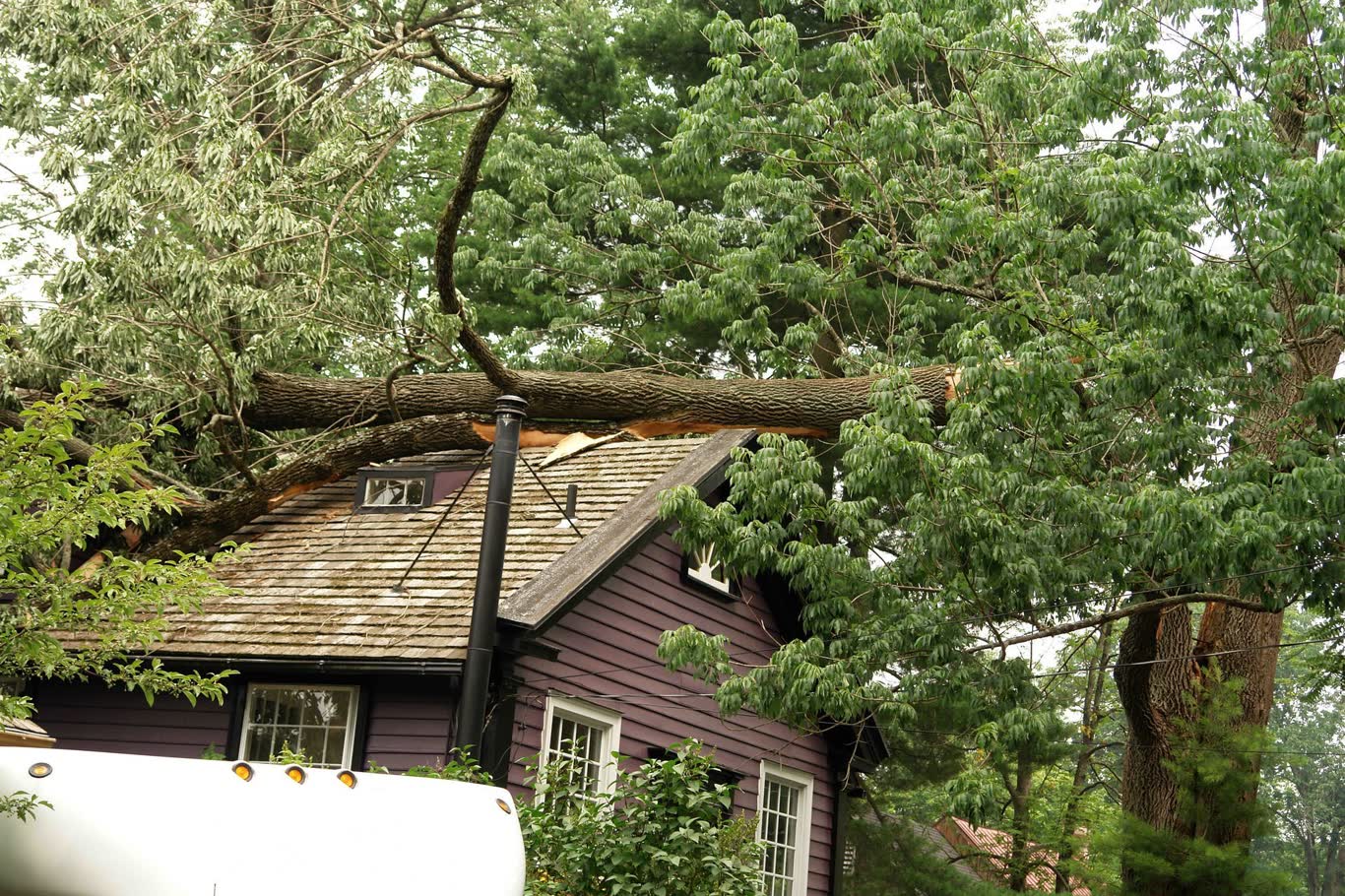
Adjuster-ready roof damage documentation means every damaged section is photographed and written up so an adjuster can see the problem clearly. A roofer can supply the photos and notes. A roofer cannot promise how your insurance company will decide the claim.
What does adjuster-ready mean?
Adjuster-ready means the damage is recorded in a way a person who was not on your roof can follow. Dalton Roofing Inc photographs and documents every damaged section in adjuster-ready format, so nothing depends on memory or a quick verbal description.
The goal is simple. The adjuster should be able to look at the file and know which part of the roof is hurt, how it looks up close, and where it sits on the house. If you are dealing with fresh damage, our storm and emergency roof repair team can start with the urgent protection and the records at the same visit.
Which photos should be included?
The photos should show the whole roof first, then each damaged area close up, then the surrounding detail. A single close-up with no context is hard to place, and a wide shot with no close-up hides the damage.
- Wide shots of each slope. These show the layout of the roof and which side of the house took the hit.
- Close-ups of each damaged section. Lifted or missing shingles, cracked tile, bent metal panels or torn flashing should each get their own frame.
- Context shots. A photo that shows a damaged spot next to a vent, a ridge or a valley helps the reader find it again.
- Interior signs. Stains on a ceiling or wet insulation in the attic show how water is getting in.
- Temporary protection. If a tarp goes on, a photo of the damage before the tarp matters just as much as one after.
Take your own photos from the ground too, if it is safe. Do not climb onto a damaged roof yourself. Wet surfaces and weakened decking make a fall easy.
What goes in the written report?
The written report lists what was found, where it was found and what each section needs. It should read like a clear set of notes, not a sales pitch. A good report names the roof type, the damaged areas and the repair or replacement work that follows.
Here is what to expect in a useful written summary:
- The date and address of the inspection.
- The type of roof, such as shingle, tile, metal or flat.
- Each damaged section, described and matched to a photo.
- Signs of water entry inside the home, if any.
- The recommended work for each section.
Dalton offers a free roof inspection with a written summary and no obligation. Our estimates are written and itemized after an inspection, so you can read what the work covers line by line. For more on how a report should read, see our post on the Florida roof insurance claim process.
Can a roofer attend the adjuster meeting?
Often a roofer can meet the adjuster on the roof, if you ask and the schedule allows. The roofer can point out each damaged area and answer questions about how the roof was built and repaired. The roofer does not speak for you or the insurance company.
If you want a roofer there, tell your contractor the date and time as soon as you have it. Ask what they will bring and what they will show. Homeowners in Fort Pierce, Port St. Lucie and Stuart often find the meeting goes smoother when the photos and written notes are already in hand.
What can a roofer not promise?
A roofer cannot promise that a claim will be approved, how much it will pay or how fast the insurer will move. Those decisions belong to the insurance company and your policy. Any contractor who promises otherwise is guessing.
What Dalton can do is describe the roof honestly, record the damage and explain the repair work in plain words. We are a family-owned company based in Fort Pierce, and we serve St. Lucie, Martin, Palm Beach and Indian River Counties. English and Spanish are both spoken (Se habla espanol).
How should you keep the records after the visit?
Keep everything in one place, with the photos, the written summary and any receipts together. Name the files by date so the order is obvious. If the adjuster asks for something later, you can send it in minutes.
It also helps to write down who you spoke with and when. A short note after each call to the insurance company or the roofer keeps the timeline straight. If more rain comes before repairs start, take fresh photos of any new stains or drips and add them to the same folder. Roofers in Jupiter, Lake Worth and West Palm Beach hear the same story again and again: the homeowner had the photos, but they were scattered across three phones. One folder fixes that.
What should you do first after storm damage?
First, make sure everyone is safe and stay off the roof. Then take photos of what you can see from the ground and inside the house, and call a roofer for emergency protection if water is coming in. Keep any receipts for temporary repairs.
After that, schedule an inspection so the damage is recorded before more weather arrives. Dalton provides 24/7 storm and emergency response, so a call at night or on a weekend still gets answered.
Ready to have your roof looked at? Call Dalton Roofing Inc at (561) 662-6622 to book a free roof inspection with a written summary and no obligation.
Frequently Asked Questions
Do I need photos before I call an adjuster?
Photos from the ground and inside the home help, but you do not need perfect ones. A roofer can document the roof itself. Stay off the roof if it is wet or damaged.
Does Dalton Roofing handle the insurance claim for me?
No. Dalton documents the roof damage and explains the repair work. Your claim stays between you and your insurance company, and no roofer can promise how it will be decided.
Is the roof inspection really free?
Yes. Dalton offers a free roof inspection with a written summary and no obligation. Estimates are written and itemized after the inspection so you can read them at your own pace.
What if the damage happens at night?
Dalton offers 24/7 storm and emergency response. Call right away if water is coming in. Take photos of the damage before any temporary cover goes on, if it is safe to do so.