
A stain on your ceiling after a storm is a warning sign. Water can travel along rafters and nails before it shows up below, so the spot you see may not be where the water got in. Check the attic, write down what you see, and get a roof inspection before the next storm.
What the Ceiling Stain Is Telling You
Not all stains look the same. A ring with a darker edge often means water soaked in, dried, and left a line behind. A stain that grows, softens the drywall, or feels damp points to water that is still coming in. A musty smell can mean moisture is trapped in insulation or wood.
Color matters too. Brown rings are common with older leaks. Gray or dark spots can mean mold is starting. Bubbling or sagging paint means water is sitting above the ceiling. Note whether the stain changes over a few days, because a changing stain is a sign of an active leak.
Why the Attic Matters More Than the Ceiling
Go into the attic with a flashlight during the day. Look at the underside of the roof deck, the rafters, and the insulation near the stain. Dark wood, damp insulation, or water trails on the decking are clear signs of a leak. Check around vent pipes, chimneys, and roof valleys, since these spots leak often.
Be careful in the attic. Stay on the joists, not the drywall between them. Wear a mask if you see mold or dust. If the attic floor feels soft, stay out and call a professional.
Storm Damage That Can Hide Above the Stain
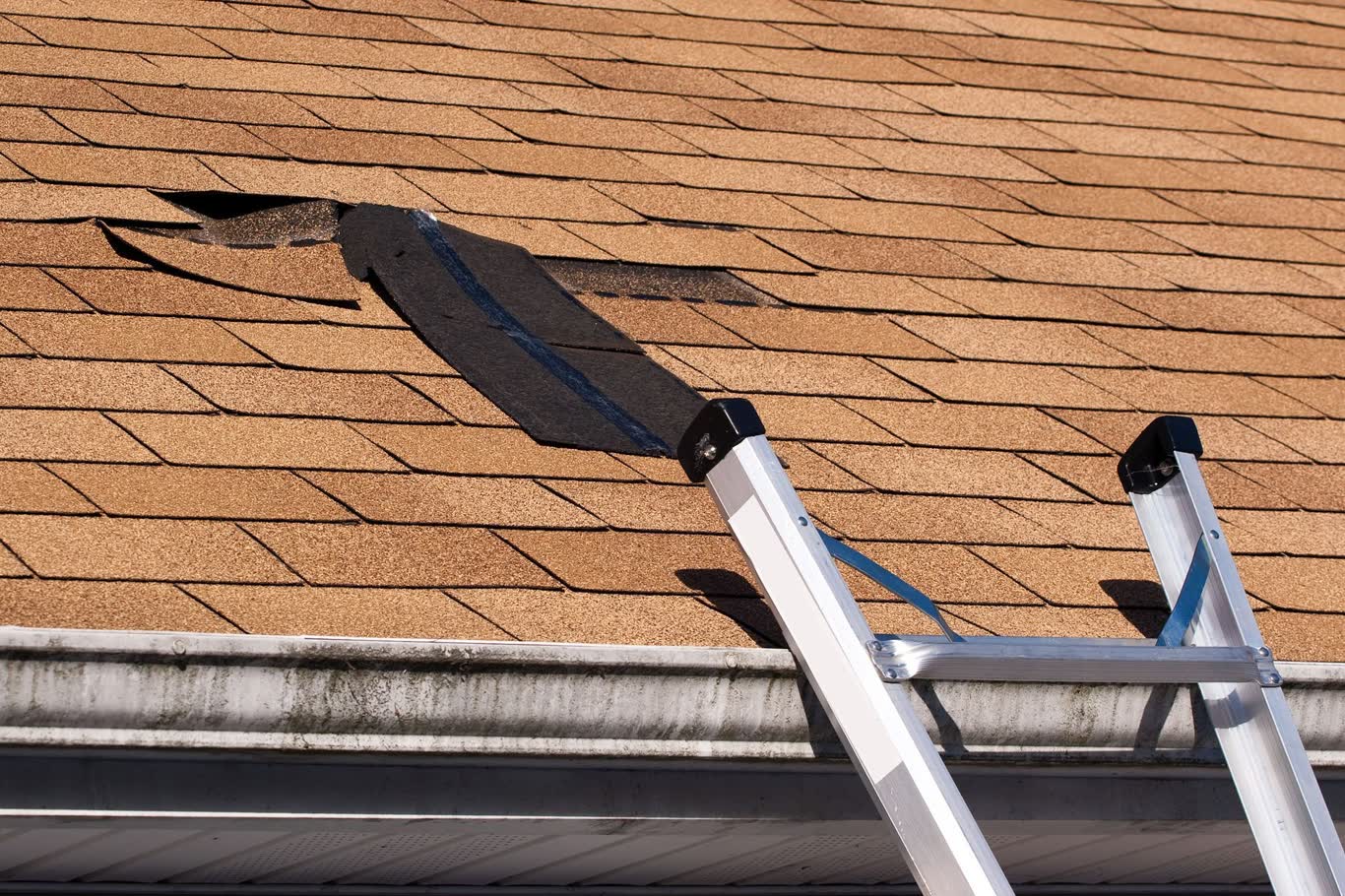
A storm can lift or crack shingles without leaving a visible mess on the ground. Wind may bend tabs, tear off flashing, or push debris into gutters and valleys. Hail can bruise shingles and dent metal. Some of this damage shows up only after the next rain.
Look at the roof from the ground with binoculars if you can do it safely. Missing granules, curled edges, or dark spots can all point to damage. Also check the gutters for piles of granules or shingle bits, which can signal wear. Do not climb onto a steep or wet roof. A trained roofer can check the surface safely.
What to Document Before You Call
Good notes make the inspection faster and clearer. Take photos of the ceiling stain from several angles. Include an object like a coin or ruler for scale. Record the date of the storm and the time you first saw the stain. Save photos of the attic, too.
- Photos of the ceiling and attic, with dates
- Notes on when the stain appeared and whether it grows
- Any musty smells, soft drywall, or damp insulation
- Photos of the outside of the roof taken from the ground
- A list of any recent repairs or roof work
Your insurance company may ask for photos and notes. Keep copies of everything you send. Do not make permanent repairs before a roofer or adjuster has seen the damage, unless you need to stop active water.
Temporary Steps to Limit Water Damage
If water is actively dripping, place a bucket under it and move valuables away. Turn off power to fixtures near the wet area if water reaches them. Put a tarp over the damaged area only if you can do it safely. A loose tarp can slip in the wind, so call a pro if you are not sure.
Learn more about the signs in how to spot roof storm damage after a hurricane. Many of the same signs apply after a regular storm.
Why a Written Inspection Helps
A roof inspection gives you a clear answer. A roofer can find the likely source of the leak, check the flashing and valleys, and note damage that is hard to see from the ground. You can ask questions and compare notes as you go. Ask for a written summary with photos, so you have a record for your files. A written summary also helps if you want to compare options later.
Estimates from Dalton Roofing are written and itemized after an inspection. That means you can see each repair listed on paper. Ask about any line you do not understand before you agree to anything.
Questions to Ask the Roofer
- Where did the water likely enter, and why?
- Which repairs are urgent, and which can wait?
- What photos will be in the written summary?
- Do you work on shingle, tile, metal, and flat roofs?
Dalton Roofing also offers monthly payment plans, so ask about the financing page if a repair is more than you planned for. English and Spanish are both spoken on our team, so ask us in the language that works best for you.
Schedule Your Free Roof Inspection
A stain after a storm should not wait. The sooner a roofer checks the source, the less damage water can do to the roof deck, insulation, and drywall. Our roof inspection includes a written summary with no obligation. We serve St. Lucie, Martin, Palm Beach, and Indian River Counties, including Jupiter.
Call Dalton Roofing at (561) 662-6622 to set up your free roof inspection. We offer 24/7 storm and emergency response, so reach out whenever water is coming through your ceiling.
Frequently Asked Questions
Does a ceiling stain always mean the roof is leaking?
Usually it means water has gotten past the roof at some point. The stain may be above or below the real entry point, so the attic should be checked too.
Should I climb onto the roof to look for damage?
No. Steep or wet roofs are dangerous. Look from the ground with binoculars if you can do it safely, and let a trained roofer check the surface.
What should I do before the roofer arrives?
Take photos of the stain, the attic, and the outside of the roof. Write down the storm date and when the stain appeared. Catch any active drips with a bucket.
Is the roof inspection free?
Yes, Dalton Roofing offers a free roof inspection with a written summary and no obligation. Call (561) 662-6622 to set one up.