Roof underlayment is a layer of material that sits under your roof covering. It acts as a backup barrier if wind or rain gets past the shingles, tile, or metal on top. In Florida, underlayment is an important part of the roof system, even though most homeowners never see it.
What underlayment does
Think of underlayment as a second line of defense. Shingles, tile, and metal shed most of the water. But wind can lift a shingle. Heavy rain can push water under a tile. Underlayment catches water that gets past the top layer and keeps it away from the wood deck below.
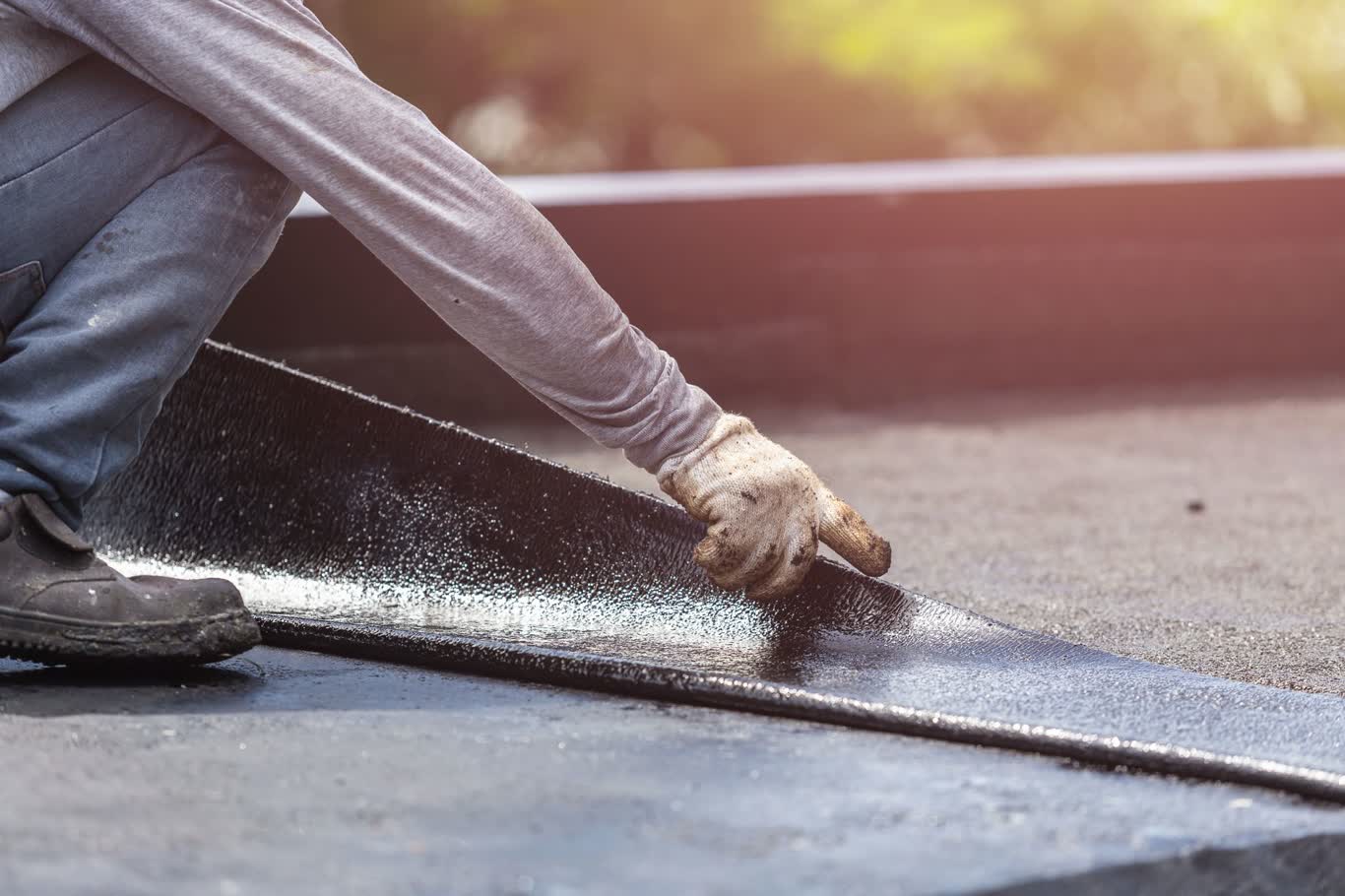
Underlayment is not the same as the roof covering. It is usually a felt or synthetic sheet laid over the deck before the final material goes on. It also matters during repairs, because the outer layer may be off for a while.
Types of underlayment you may hear about
Several products are used today. Your roofer should choose the right one for your roof style and local conditions. Here are the common types:
- Felt underlayment is the traditional paper-based sheet. It is widely used, but it is heavier and can hold moisture if it stays wet.
- Synthetic underlayment is made from plastic-based materials. It is lighter and tougher, and it resists tearing and moisture better than felt.
- Self-adhered membrane is a sticky sheet that bonds to the deck. Roofers often use it at valleys, roof edges, and around vents for extra protection.
Not all products are the same. Ask what the manufacturer rates the material for, and how it will be installed on your roof. Your roofer can also explain how each option works with your shingles, tile, or metal covering.
Why underlayment ages before the surface
Underlayment sits under the roof covering, so it gets less direct sun. But it still faces heat, moisture, and time. Over the years, felt can dry out and crack. Trapped moisture can weaken the sheet. Heat in the attic can speed up that wear, especially when the attic has little airflow. A roof can look fine from the ground while the underlayment underneath is worn.
This is why an inspection can reveal problems that are not visible from the yard. A roofer can check for soft spots, lifted edges, and small openings that let water through.
Signs your underlayment may be failing
You usually cannot see underlayment from the ground. Look for signs inside the home instead:
- Stains on the ceiling after rain.
- Peeling paint near ceiling lines or wall corners.
- A musty smell in the attic.
- Water stains on attic insulation or the rafters.
- Soft spots on the roof deck when you walk in the attic.
- Daylight showing through the roof deck.
Any one of these signs deserves a closer look. Call a roofer to inspect the roof soon, before a small leak turns into a larger repair.
Check after every big storm. Walk around the outside of the house and look for missing shingles, cracked tiles, or lifted metal edges. Then check the ceilings inside the home. Catching a problem early usually means a smaller repair.
Why this matters on the Treasure Coast
Florida homes face strong storms, wind-driven rain, and long, hot seasons. That combination puts stress on every layer of the roof. Underlayment helps keep the home dry when the outer layer is damaged. If you have a tile roof, our guide to tile roof underlayment replacement on the Treasure Coast explains what to look for.
What to ask during a replacement quote
If you plan a roof replacement, ask the roofer about underlayment directly. These questions help you compare quotes:
- What type of underlayment will you install, and why is it the right fit for my roof?
- Will you replace the underlayment across the whole roof, or only in certain areas?
- How will you protect the deck if rain arrives during the work?
- Does the estimate list the underlayment as its own line item?
A written, itemized estimate makes these details easy to compare. Ask the roofer to walk you through the plan, and make sure you understand each step before work begins.
Also ask whether your insurance policy covers any part of the work. Your insurer makes that decision, not your roofer, so it helps to call your agent with questions early.
How Dalton Roofing can help
Dalton Roofing Inc is a family-owned company based in Fort Pierce. We serve St. Lucie, Martin, Palm Beach, and Indian River Counties, including Port St. Lucie, Stuart, and Vero Beach. Our team handles shingle, tile, metal, and flat roofs for both residential and commercial properties. We speak English and Spanish. Se habla espanol.
We provide 24/7 storm and emergency response when your home needs help fast. Learn more about our roof replacement services and how we approach each job from start to finish.
Not sure what is under your roof? Schedule a free roof inspection with Dalton Roofing. You will receive a written summary with no obligation. Call (561) 662-6622 to set up a visit. We will check the underlayment, the flashing, and the roof covering, then explain what we find in plain language.
Frequently Asked Questions
What is roof underlayment?
Roof underlayment is a layer under the shingles, tile, or metal. It acts as a backup barrier that helps keep water away from the roof deck.
How do I know if my underlayment is failing?
Look for ceiling stains after rain, musty smells in the attic, soft spots on the deck, or daylight through the roof. Any of these signs means you should have a roofer inspect the roof.
Why does underlayment wear out before the roof covering?
It sits under the outer layer and faces heat and moisture over time. Felt can dry out and crack, and trapped moisture can weaken the sheet.
Do you offer free roof inspections?
Yes. Dalton Roofing offers a free roof inspection with a written summary and no obligation. Call (561) 662-6622 to schedule one.