If your roof is leaking after heavy rain in Port St. Lucie, start by protecting your home and your belongings. Place a bucket under the drip, move furniture and electronics away from it, and take photos before you clean up. Then call a roofer for an inspection, because the stain on your ceiling may not show where the water is really getting in.
Start With Safety
Water in the ceiling can be frightening, but the first steps are simple. Safety comes first. If water is dripping near a light fixture or an outlet, shut off power to that room at the breaker box if you can reach it safely. Do not touch wet electrical items or stand under a sagging ceiling.
Put a bucket or a tarp under the drip. Move rugs, furniture, and boxes out of the way. Cover items that cannot be moved with a plastic sheet. These steps limit damage while you wait for a roofer to arrive.
Take Photos Before You Clean Up
Photos tell the story of the leak. Take pictures of the wet ceiling, the walls, the floor, and any damaged items. Take a few wide shots and a few close ones. Note the date, the time, and the weather. A clear record helps when you talk with a roofer about the repair.
Once the photos are saved, wipe up standing water and dry the area as much as you can. Open a window or run a fan if the room is closed up. Damp drywall and carpet can hold moisture and cause odors, so drying matters as much as cleaning.
Why the Stain Is Not the Source
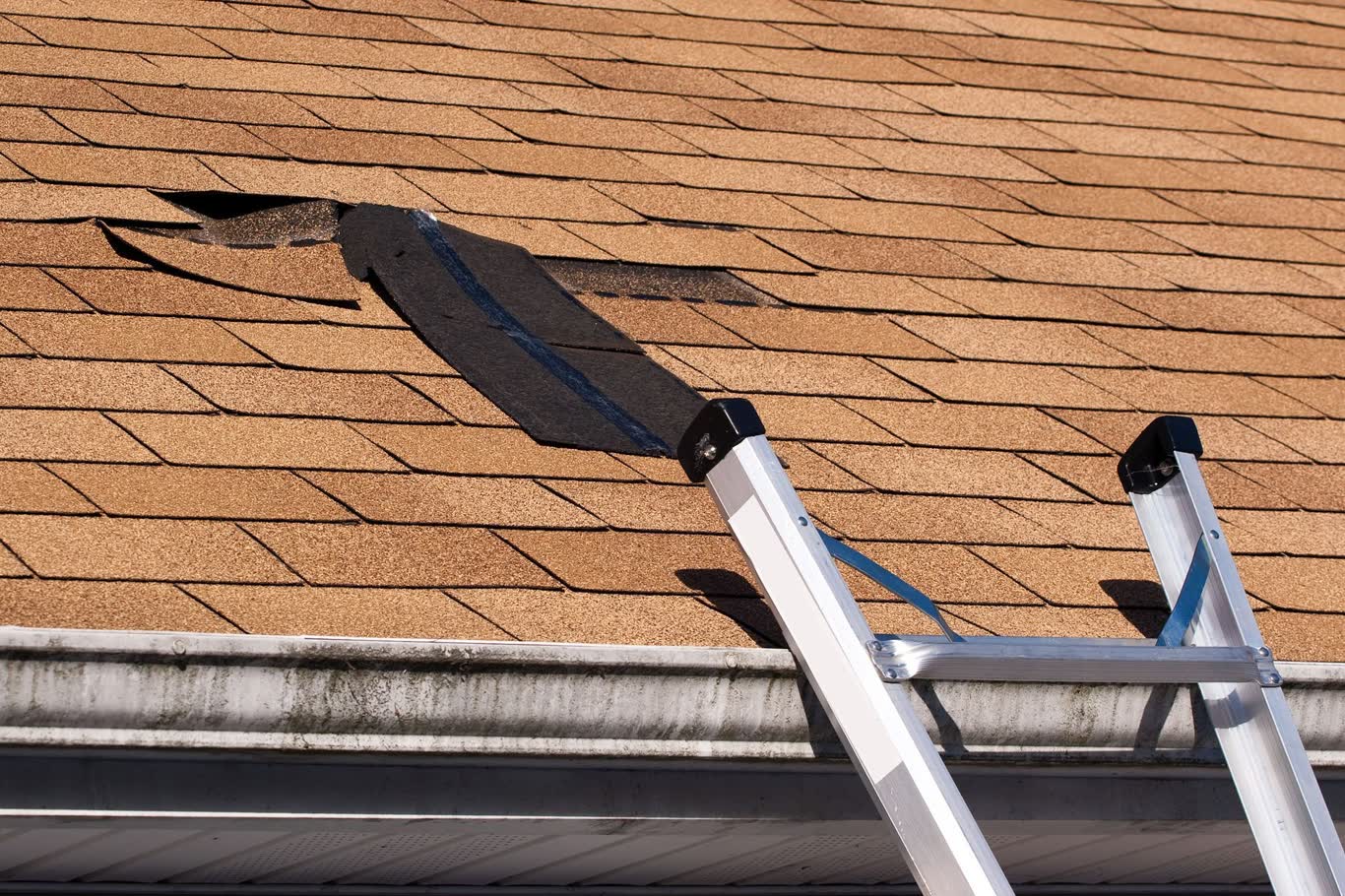
A ceiling stain is a clue, but it is rarely the exact spot where water enters. Water often travels along rafters, nails, or insulation before it drips. A leak that starts at one shingle may show up several feet away. This is why a good roofer checks the whole area, not just the spot below the stain.
Heavy rain can also push water sideways under shingles or tile. Wind-driven rain is a common cause of leaks around vents, flashing, and valleys on Florida homes. Look for these areas during the inspection, and ask the roofer to show you what they find. For more on leaks that appear without any storm, read what causes roof leaks in Florida.
Common Places Leaks Start
Certain spots on a roof need extra attention. Look at roof vents and pipe boots, where rubber seals can crack over time. Check flashing around chimneys, skylights, and walls. Valleys where two roof slopes meet can collect water quickly. Ridge caps and roof edges can also let water in when they are loose.
Shingle, tile, and metal roofs each have their own weak points. Tile can crack or shift after a storm. Metal panels can loosen at seams and fasteners. Flat sections can hold water when drains clog. Dalton Roofing handles shingle, tile, metal and flat roofs, so the inspection can match your roof type.
When to Call for an Inspection
Call a roofer if water comes in during rain, even once. A small leak can soak insulation and wood over time. If the ceiling stain grows, sags, or smells musty, do not wait. Storm winds can also loosen shingles and tiles that look fine from the ground.
Dalton Roofing offers 24/7 storm and emergency response, so you can call at night or on weekends when water is coming in. You can learn more about our roof repair services and what a repair visit covers.
What a Good Inspection Includes
A thorough inspection should cover the whole roof, the attic, and the ceiling below the leak. Ask the roofer to check for wet insulation and soft wood in the attic. A good inspector explains what they found and why it matters, not just what needs to be fixed.
Dalton Roofing offers a free roof inspection with a written summary and no obligation. Estimates are written and itemized after the inspection, so you can compare each line and ask questions before you decide. Monthly payment plans are available for repairs and replacements, and the financing page explains the options.
Questions to Ask Your Roofer
Ask the roofer to show you the leak source, not just tell you about it. Ask whether the repair fixes the cause or only covers the symptom. Ask how the work will be documented and whether the estimate is itemized line by line.
Ask about timing and cleanup too. A careful roofer protects landscaping, gutters, and walkways during the work and clears debris when the job is done. Ask about communication as well. English and Spanish are both spoken, so you can ask questions in the language that feels most comfortable.
Serving Port St. Lucie and Nearby Areas
Dalton Roofing is a family-owned company based in Fort Pierce. The team serves St. Lucie, Martin, Palm Beach and Indian River Counties, including Port St. Lucie, Stuart, Jupiter, Hobe Sound, and Vero Beach. Residential and commercial roofing both fall within the work.
Se habla español. Whether you live near the coast or inland, the first steps after a leak are the same. Protect your home, document the damage, and call for a full inspection.
If water is coming through your ceiling right now, call Dalton Roofing Inc at (561) 662-6622. Ask for a free roof inspection with a written summary and no obligation, and get an itemized estimate after the visit. Emergency response is available 24/7 for storms and urgent leaks.
Frequently Asked Questions
Is a leak after heavy rain always a roof problem?
Usually, but not always. Water can come from gutters, flashing, vents, or a window seal. An inspection helps sort out the exact source.
Should I climb onto the roof to look for the leak?
No. Wet roofs are slippery and dangerous. Let a trained roofer check the roof for you.
Do you offer free roof inspections?
Yes. Dalton Roofing offers a free roof inspection with a written summary and no obligation. Call (561) 662-6622 to schedule one.
Are payment plans available for roof repairs?
Monthly payment plans are available. Visit the financing page on the website to see the options.