
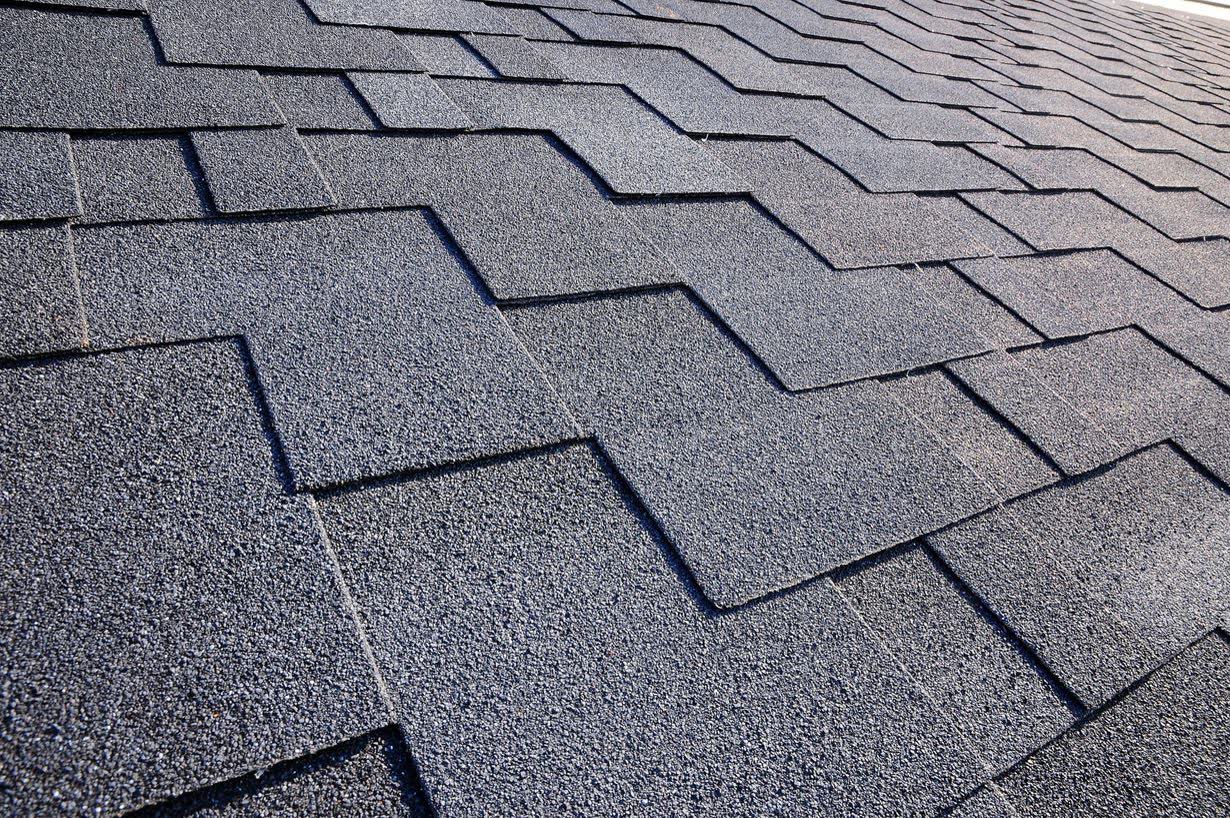
A windstorm can lift or tear off a few shingles and leave the rest of the roof looking fine from the street. Even a small gap can let water reach the roof deck. Start with a careful look from the ground, then decide whether you need a repair or a larger project.
Look from the ground first
Walk slowly around the house and look at each side of the roof. Note any shingles that are missing, creased, curled, or torn. Check the ground below the eaves for granules, bits of shingle, and loose nails. Granules in the gutters and downspouts can also point to wear or impact.
Do not climb onto the roof after a storm. Wet shingles and loose debris can cause a serious fall. A free roof inspection with a trained crew is a safer way to see the roof up close.
What a few missing shingles can mean
A small group of missing shingles often points to a local problem. Wind may have lifted the edge of one section, or it may have caught a weak spot in the sealant strip. Those spots can often be repaired by replacing the affected shingles and checking the nails around them.
Water is the real concern. Once a shingle is gone, the layer beneath it is exposed. Sun, rain, and wind can break that layer down over time. Look for water stains on ceilings, damp insulation in the attic, or a musty smell in a top-floor room after it rains.
When the damage is widespread
Wide damage looks different. Shingles may be lifting in several areas, creasing across the slope, or sliding out of their rows. The roof may feel uneven or show dark patches where the surface has been stripped. Damage across a whole side of the roof points toward replacement rather than a few patches.
Age matters too. An older roof has less flexibility, so wind can break seals that would hold on a newer roof. If the roof is near the end of its life, a repair may buy time without solving the bigger issue.
Repair or replace? Questions to ask yourself
Use these questions to guide the decision:
- How many shingles are missing, and are they in one area or spread out?
- Is the damage limited to one side of the roof, or does it appear on several sides?
- Are there signs of water inside the home or in the attic?
- How old is the roof, and does the shingle style still match what is installed?
- Can new shingles be matched in color and texture?
Matching shingles can be hard on an older roof. Sun fades the surface over time, so a new patch may look different from the rest. Ask the roofer to show you how the repair will blend with the existing roof.
Ask the right questions of any roofer
Whoever you call should explain what they see and why. Ask them to point out the damage on the roof itself. Ask whether the repair will address the cause, such as a loose nail, a lifted edge, or a weak seal, rather than just covering the spot.
Ask for a written summary. Good estimates are written and itemized after an inspection, so you can compare them line by line. Clear answers are a good sign that the crew takes the job seriously.
Check the inside of the home too
Roof damage does not always show up on the outside first. Look in closets and under sinks on the top floor, and check ceiling corners for faint rings or soft spots. Peek into the attic with a flashlight after a storm, and look for dark wood, wet insulation, or daylight coming through the roof boards.
Take photos of anything you find, both inside and outside. Clear pictures help the roofer understand the damage before the inspection, and they give you a record to compare later.
Do not wait too long
Small leaks can grow into larger problems inside walls and ceilings. The sooner you have a roof checked after a storm, the more options you have. A quick inspection can tell you whether a simple repair will hold or whether it is time to plan a larger project.
If you want to compare the choices in more detail, read our guide on storm damage versus normal wear. It explains how to tell what the wind did from what age and weather have done over the years.
Talk through the options
Roof work is a big decision. Monthly payment plans are available, so ask about the options when you request your inspection. Our team also speaks English and Spanish, so you can talk through your roof in the language that feels most comfortable to you.
If you are weighing a repair against a new roof, our shingle roofing services page explains the work we handle on asphalt shingle roofs.
Dalton Roofing Inc is a family-owned company based in Fort Pierce. We serve St. Lucie, Martin, Palm Beach, and Indian River Counties, including Stuart, Port St. Lucie, Fort Pierce, and Palm City. We offer 24/7 storm and emergency response. Call (561) 662-6622 to request your free roof inspection, and we will send a written summary with no obligation.
Frequently Asked Questions
Are a few missing shingles an emergency?
Not always, but water can get in through the exposed area. Check the ceilings and attic after rain, and call for a roof inspection soon.
Can I fix missing shingles myself?
Walking on a roof after a storm is risky. A trained crew can make the repair safely and check the nails and the area around the gap.
How do I know if I need a full replacement?
Widespread lifting, creasing across several sides of the roof, or an older roof near the end of its life can point toward replacement.
Do you offer a free roof inspection?
Yes. The inspection comes with a written summary and no obligation.