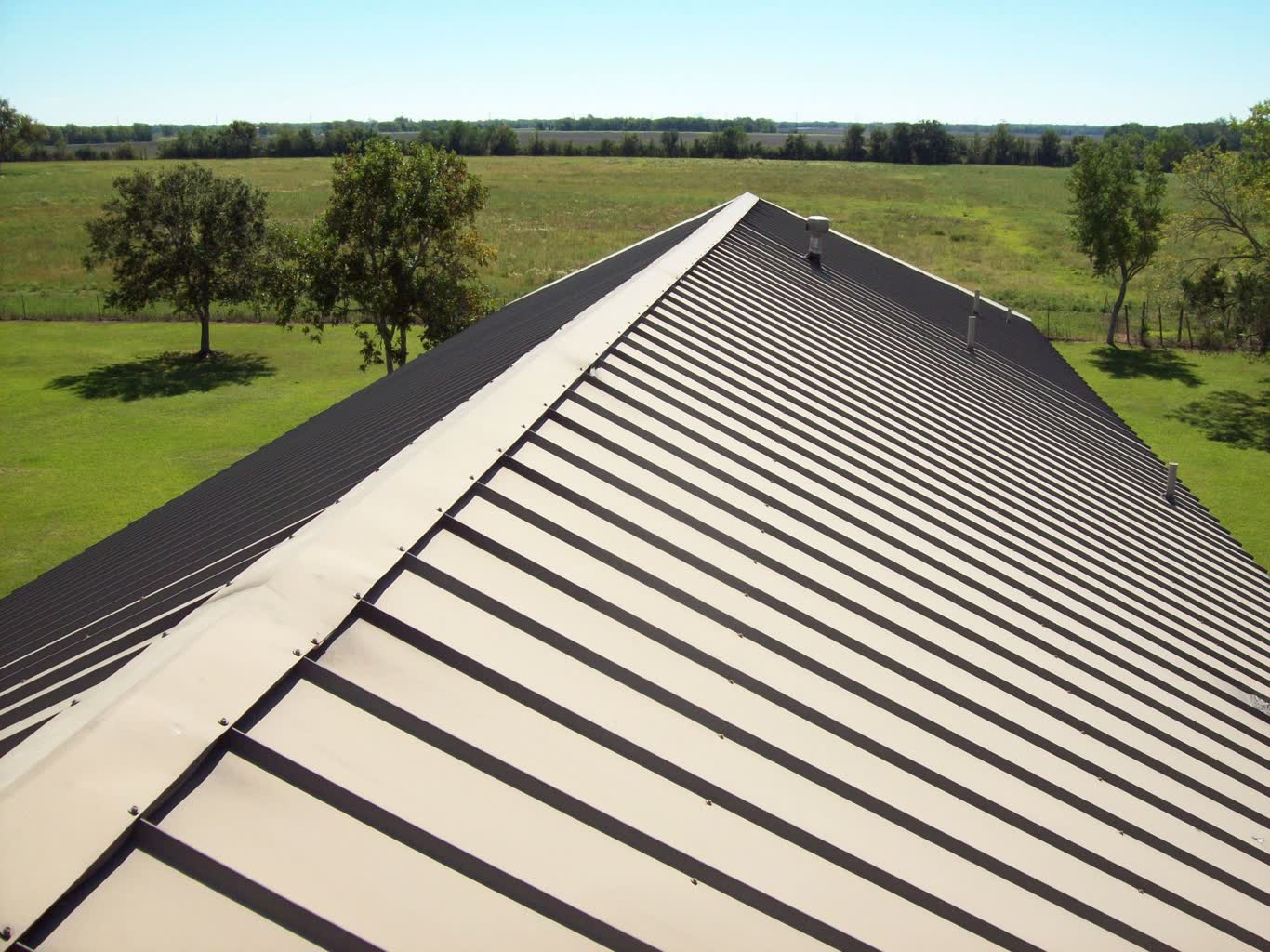
Metal roofs are often quieter than homeowners expect, and they hold up well in Florida when they are installed and maintained correctly. Most worries come down to three questions: noise in the rain, rust near the coast, and what upkeep looks like over time. This guide answers each one in plain language.
Does Rain Make a Metal Roof Loud?
Many homeowners picture a loud drum when it rains. In most homes, the noise depends on what sits under the metal, not the metal itself. A solid roof deck, a good underlayment and proper insulation absorb much of the sound. Ask your roofer what goes between the panels and the attic, because that layer matters more than most people expect.
Attic space also changes how a roof sounds. An open attic with thin decking can carry more sound than a well-built one. If your metal roof seems loud, a roofer can check whether the panels are fastened tight and whether the underlayment is complete.
Will Coastal Air Cause Rust?
Salt air is a real concern for roofs in Hobe Sound, Stuart and other coastal areas. Salt spray and humidity can speed corrosion on metal that is scratched or poorly coated. The quality of the finish matters, and so does the way the panels are installed. Look for clean, sealed edges and a coating that stays intact.
Rust usually starts where the coating breaks. Scratches from foot traffic, dropped tools or hail can expose bare metal. Dirt and debris that hold moisture can also start trouble. Catching these spots early keeps small problems from becoming big repairs.
Which Fasteners Matter Most?
Fasteners hold the whole system together. Screws and clips should match the panel type and sit straight, without cracked washers. Over time, fasteners can back out or lose their seal. In Florida storms, loose fasteners are one of the first things a roofer checks.
Ask whether the fasteners are rated for coastal exposure and whether the installer uses the right gaskets. These details rarely show up in a photo, but they affect how the roof performs for years.
What Upkeep Looks Like
Metal roofs need less work than many other roof types, but they are not maintenance-free. A simple routine helps the roof last and helps you catch problems early. Plan for a visual check each season and after major storms. Keep the roof clear of loose branches and leaves that trap moisture against the panels.
Cleaning should be gentle. Use a soft brush or a low-pressure rinse with mild soap and water. Avoid harsh chemicals and high-pressure washers, which can strip coatings. If you are not sure how to clean your roof safely, ask your roofer for guidance before you start.
Signs That Need a Professional Look
Some signs call for a roofer rather than a ground-level check. Look for loose or lifted panels, bent edges, rust streaks, popped fasteners or water stains on ceilings. Gaps around vents, skylights and walls are another reason to call. A written inspection gives you a clear list of what was found and what to do next.
Storm damage needs prompt attention. If a storm bends panels or tears flashing away, call soon. Water can enter quickly during Florida rain, and small openings can lead to larger problems inside the home.
After a storm, take photos of any damage from the ground before you clean up. Photos of loose panels, bent edges and debris give your roofer a clear starting point. They also help when you talk with your insurance provider, who will make its own decisions about coverage. Keep the photos with the date they were taken.
Questions to Ask a Roofer About Metal
- What panel profile and gauge are you proposing, and why?
- How will the fasteners and flashing be installed in a coastal area?
- What underlayment will go under the panels?
- How often should I check the roof, and what should I look for?
- Can you put the scope and materials in a written, itemized estimate?
How Metal Compares With Other Florida Roofs
Metal roofs can be a good fit for Florida homes, but they are not the only option. Tile and shingle roofs also have strengths. Your roof structure, your budget goals and the look you want all matter. Choosing a roof is about fit, not fashion. A roofer who inspects the deck, checks the attic and reviews the roof slope can explain which materials make sense for your home. Ask for those reasons in writing so you can compare options side by side. For a broader comparison, read our guide on whether metal roofs are good in Florida.
Get Help on the Treasure Coast and Beyond
Dalton Roofing Inc is a family-owned company based in Fort Pierce. We serve St. Lucie, Martin, Palm Beach and Indian River Counties, including Hobe Sound, Stuart, Port St. Lucie and Jupiter. Our crews handle residential and commercial roofs, including metal roofing projects. English and Spanish are spoken here, and we offer 24/7 storm and emergency response.
Ready for a closer look at your roof? Call (561) 662-6622 to schedule a free roof inspection with a written summary and no obligation. Estimates are written and itemized after the inspection.
Frequently Asked Questions
Is a metal roof louder in the rain?
Not usually. Noise depends on the roof deck, the underlayment and the insulation below the panels. A roofer can check whether your roof is built to limit sound.
Will salt air make my metal roof rust?
Coastal salt air can speed corrosion, especially where the finish is scratched. Good installation, sealed edges and regular visual checks help catch rust early.
How much upkeep does a metal roof need?
Metal roofs need less work than many roof types, but they still need a seasonal visual check and a check after major storms. Keep debris off the roof and clean it gently.
Can I get a roof inspection before I decide?
Yes. Dalton Roofing offers a free roof inspection with a written summary and no obligation. Estimates are written and itemized after the inspection.