A metal roof job moves in five stages: a deck check, a choice of metal and color, permits, installation, and a final walk with the county inspection. The crew sets clips or fasteners to the engineered spacing, runs the panels and flashes every penetration. Each stage has a purpose, so knowing them helps you ask better questions.
Dalton Roofing follows this order on every metal roofing project. Here is what you can expect at each step.
What happens at the free inspection?
The crew looks at the roof you have now, starting with the deck under it. The free inspection checks deck condition, roof pitch, where the penetrations sit and how close you are to the coast. You get a written summary with no obligation.
Deck condition decides a lot. If the deck is soft or damaged, it has to be fixed before any panel goes on. Dalton does not recommend metal over a failing base, because a good roof needs a solid surface under it.
The same visit tells the crew whether to tear off the old roof or install over it. That choice depends on what they find, not on a set plan.
How are metal type and color chosen?
You choose with the crew, after they explain your options. Dalton walks you through panel profiles, the metal itself, the coating and the color. You get a written estimate before you decide on anything.
Metal type matters most near the water. Galvalume steel and aluminum are the two main choices we discuss, and salt air is a big part of the decision. Our post on standing seam metal roof panels and fasteners goes deeper on how the panel style changes what you see on the roof.
Color is more than looks. Light colors can reflect more sun, and some finishes are made for hot climates. Ask to see samples outdoors if you can. Color can look quite different in full sun than under a showroom light.
What happens with permits?
The contractor pulls the permits before work begins. Dalton handles this in St. Lucie, Martin and Palm Beach counties, so you are not left to deal with the building office on your own.
Some metal jobs also need engineer-stamped uplift calculations. These show how the roof is built to resist wind lifting it off the house. When a job needs them, Dalton prepares that paperwork.
Ask any contractor who pulls the permits and who handles the paperwork. If the answer is you, ask why. Permits protect you because the county can then look at the finished work.
How are clips, panels and flashing installed?
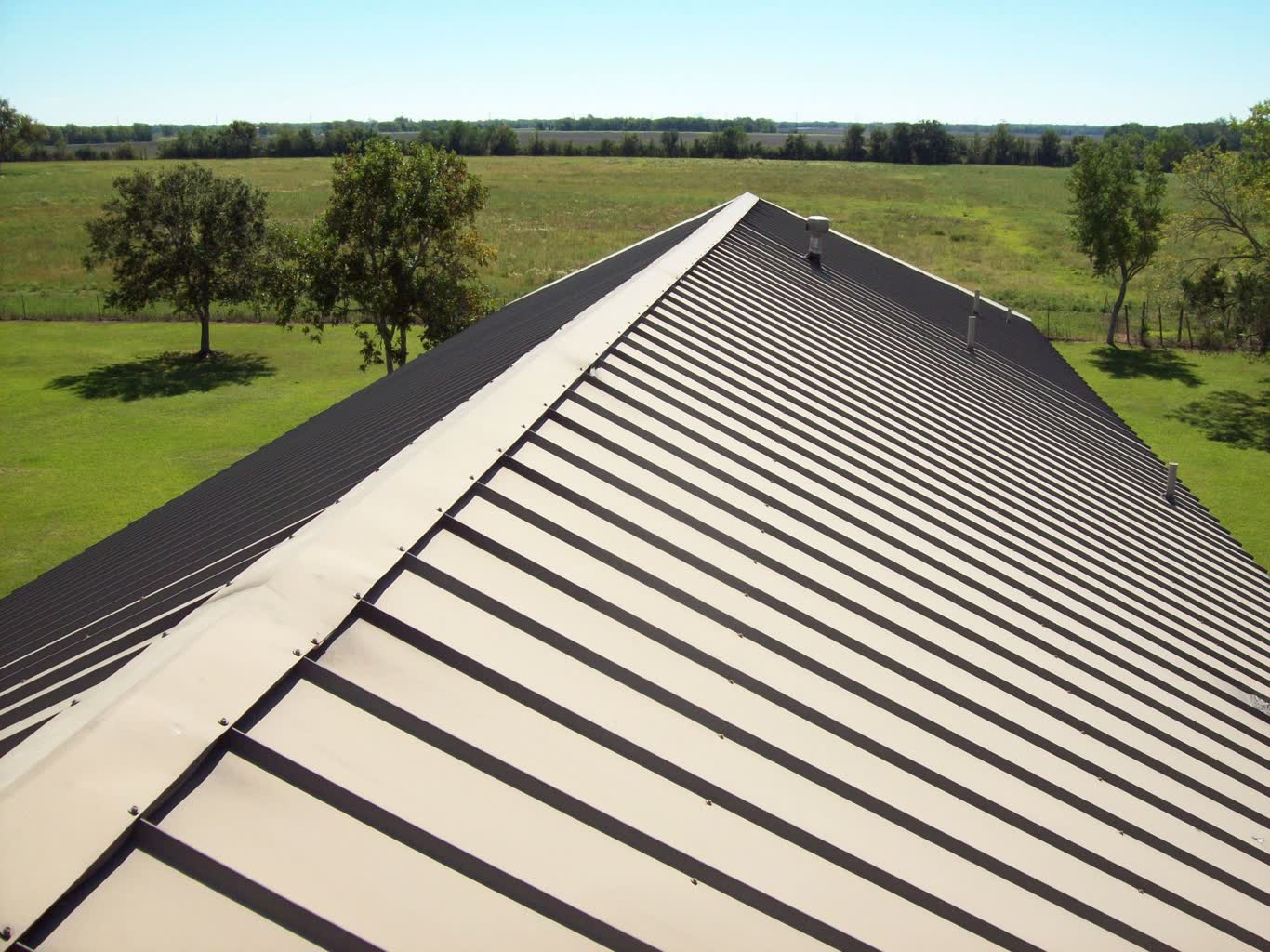
On installation day, the crew removes the old roof if needed, lays new underlayment, and then builds the metal system on top. At Dalton the crew sets clips or fasteners to the engineered spacing, runs the panels, and flashes all penetrations and edges. The order matters, and so does the spacing.
Here is the usual flow of a metal install:
- Remove the old roofing, if a tear-off is called for.
- Repair any deck problems the inspection found.
- Install the underlayment over the deck.
- Set the edge details and starter pieces.
- Place clips or fasteners at the engineered spacing.
- Run the panels, one after another, along the roof.
- Flash the vents, pipes, chimneys, skylights and edges.
Flashing is where many leaks start on any roof. Metal panels are tight, but the spots where something pokes through the roof still need careful work. Watch for this detail when you compare bids.
The spacing is not guesswork. It comes from the engineering for your roof, which is why the earlier permit step matters. Clips that are too far apart can let panels move in wind, and the fasteners tell you whether the crew followed the plan.
What does the final walk and county inspection cover?
When the work is done, the crew walks the finished roof with you and confirms the county permit inspection passed. You see the result up close and can ask about anything that looks off.
This is a good time to look at the details together. Check the edges, the flashing around penetrations and the way the panel lines look from the ground.
Keep the paperwork the crew gives you. Store it with your house records, since you may need it later for a sale or a wind-mitigation check.
How do you know a crew is following the plan?
Ask for the steps in writing and watch how the crew answers. A contractor who knows the order of a metal job can name each stage without pause. One who skips the deck check or the permit step is cutting corners.
Ask these simple questions before you sign:
- Who inspects the deck, and what do they look for?
- Which metal and coating will be used near my home?
- Who pulls the permits?
- How will clips or fasteners be spaced?
- How are the vents and edges flashed?
- Who confirms the county inspection passed?
Clear answers to all six tell you a lot. Hesitation tells you something too.
Where does Dalton work?
Dalton Roofing is a family-owned company based in Fort Pierce. We serve St. Lucie, Martin, Palm Beach and Indian River counties, including Port St. Lucie, Stuart, Jupiter and West Palm Beach. English and Spanish are both spoken (Se habla espanol), and storm and emergency response is available 24/7.
If your roof is aging and you are weighing metal, the roof replacement page explains how a full replacement works at Dalton.
Call Dalton Roofing at (561) 662-6622 to schedule a free roof inspection. We will look at your deck, talk through your options and give you a written, itemized estimate after the inspection.
Frequently Asked Questions
Can a metal roof go over an old roof?
Sometimes, but it depends on the deck. Dalton checks deck condition first and will not recommend metal over a failing base. The inspection decides whether a tear-off or an overlay is right.
Who pulls the permit for a metal roof?
Dalton pulls the required permits in St. Lucie, Martin and Palm Beach counties before work begins, and prepares any engineer-stamped uplift paperwork the job needs.
Do I get an estimate before I choose a metal and color?
Yes. Dalton walks you through panel profiles, metals, coatings and colors, then gives you a written estimate before you decide on anything. Estimates are itemized after the inspection.
Does Dalton replace roofs in Spanish-speaking households?
Yes. English and Spanish are both spoken at Dalton, so you can talk through each step of the project in the language you prefer.