
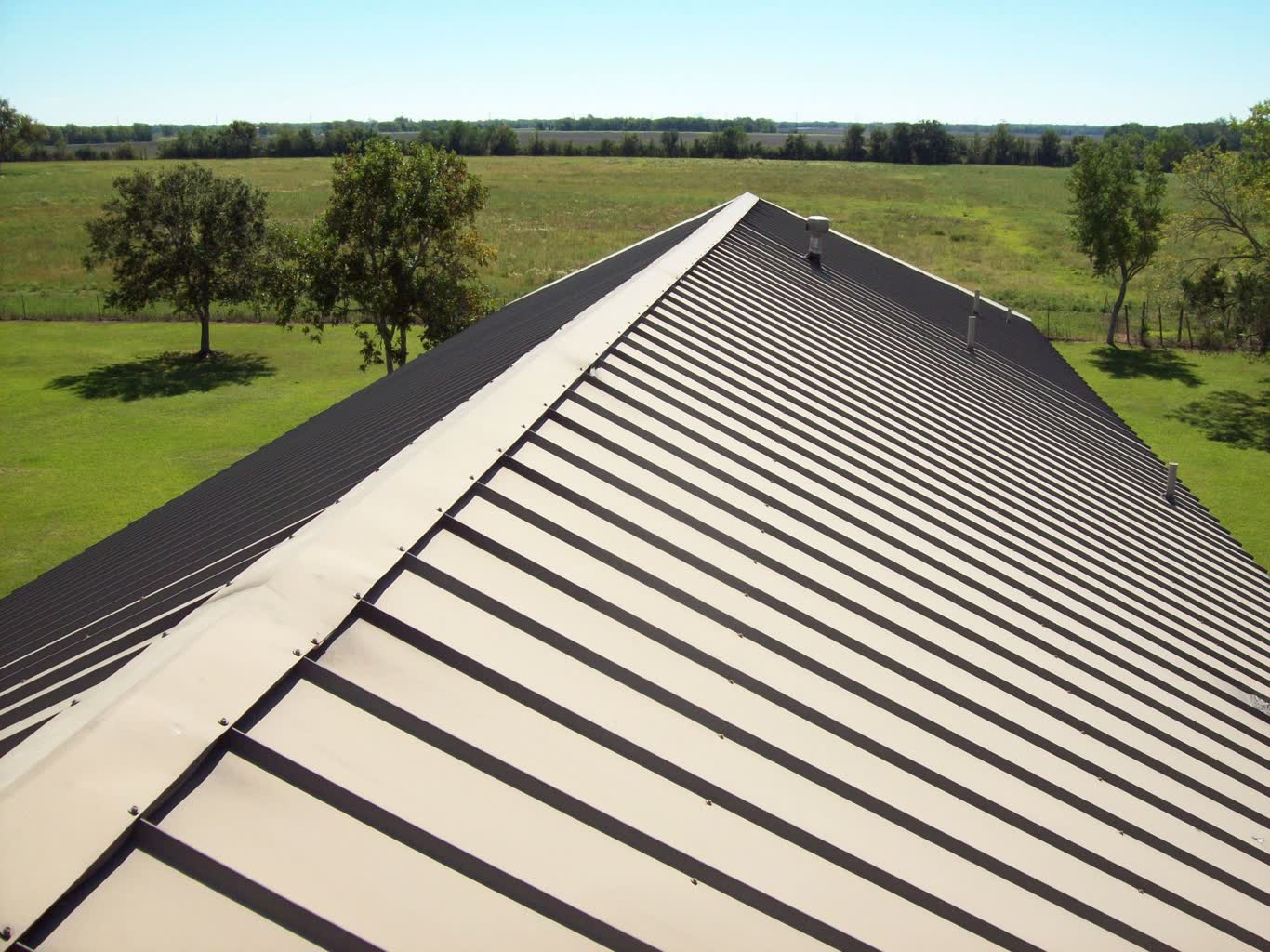
On an exposed-fastener metal roof, daily heating and cooling can slowly work the screw washers loose, so they need a regular check. A loose washer is a small gap, but water finds small gaps. A simple look every year, and after a big storm, catches most problems early.
Dalton Roofing says fastener washers must be checked on exposed-fastener metal roofs. If you own one in Stuart, Jupiter or anywhere on the Treasure Coast, this list walks you through it. You can read more about our metal roofing work too.
Why do fasteners loosen?
Metal expands in heat and shrinks as it cools. On a Florida roof, that happens every day, and the panels move a little each time.
Over many cycles, that movement can loosen a screw or wear down the rubber washer under its head. Heavy rain, wind and storms add stress. Once a washer cracks or a screw backs out, water can slip into the hole.
Our guide on whether metal roofs are good in Florida covers why metal does well here. Fasteners are one of the places where a little upkeep pays off.
Which metal roofs have exposed fasteners?
Exposed-fastener roofs have screws that sit right on the face of the panel. You can see the screw heads from the ground or a ladder, often in neat rows.
Standing seam roofs work differently. Their fasteners are hidden under the panel seams. You can still check the seams, but you will not see screw heads on the surface.
Not sure which kind you have? Look closely at a panel. If you can see round or hex screw heads with a small rubber ring underneath, it is an exposed-fastener roof.
What do you look for?
Look for anything that has moved, cracked or stained. Use this checklist, and stay safe by starting from the ground with binoculars.
- Screws sitting crooked. They should sit flat and square to the panel.
- Raised screw heads. A head that has backed out is no longer pressing the washer down.
- Cracked or flattened washers. The rubber should look soft, not dry or split.
- Washers pushed out of place. Look for rubber squeezed out around the edge.
- Rust streaks. Brown trails below a screw often show moisture.
- Open or lifted panel seams. Panels that no longer lie flat can let in wind-driven rain.
- Missing screws. After a storm, look for empty holes.
- Stains inside. Check ceilings and attic spots below for water marks.
Take photos as you go. They help when you compare one year to the next, and they help us when you call.
How often should you check?
Check once a year, and again after a major storm. Washers are checked on a schedule because the wear is slow and easy to miss.
A yearly look fits well with other seasonal chores. Many owners do it before the rainy season starts. After a strong wind event, take another look, even if nothing seems wrong inside.
If you would rather not climb up, Dalton offers a roof inspection. It is free, comes with a written summary and has no obligation. We serve St. Lucie, Martin, Palm Beach and Indian River Counties.
When is a repair needed?
A repair is needed when a washer is cracked, a screw has backed out or you see water stains below. Do not wait for a drip.
Small fixes caught early are simpler than damage caught late. A crew can replace worn washers or reset loose fasteners. Seam problems and widespread rust call for a closer look at the whole panel run.
Call us fast after a storm. Dalton has 24/7 storm and emergency response. Se habla espanol.
Want a pro to check your metal roof fasteners? Call Dalton Roofing Inc at (561) 662-6622 for a free roof inspection with a written summary.
Frequently Asked Questions
Can I tighten a loose roof screw myself?
It is safer to leave it to a roofer. Over-tightening can crush the washer, and a stripped hole needs a different fix. Roofs are also slippery and risky to walk on without training and proper gear.
Do standing seam metal roofs need fastener checks too?
Standing seam roofs hide their fasteners under the seams, so you will not see screw heads. You should still look at seams, trim and flashing each year for lifted edges or stains.
What does a failing washer cause inside the house?
Water slowly leaks in at the screw hole. You may see ceiling stains, damp insulation or a musty smell. These signs can show up long after the leak starts.
Should I check my roof after every storm?
Look from the ground after any strong storm, using binoculars if you have them. Look for missing screws, lifted panels or debris. If anything seems off, call for an inspection.