
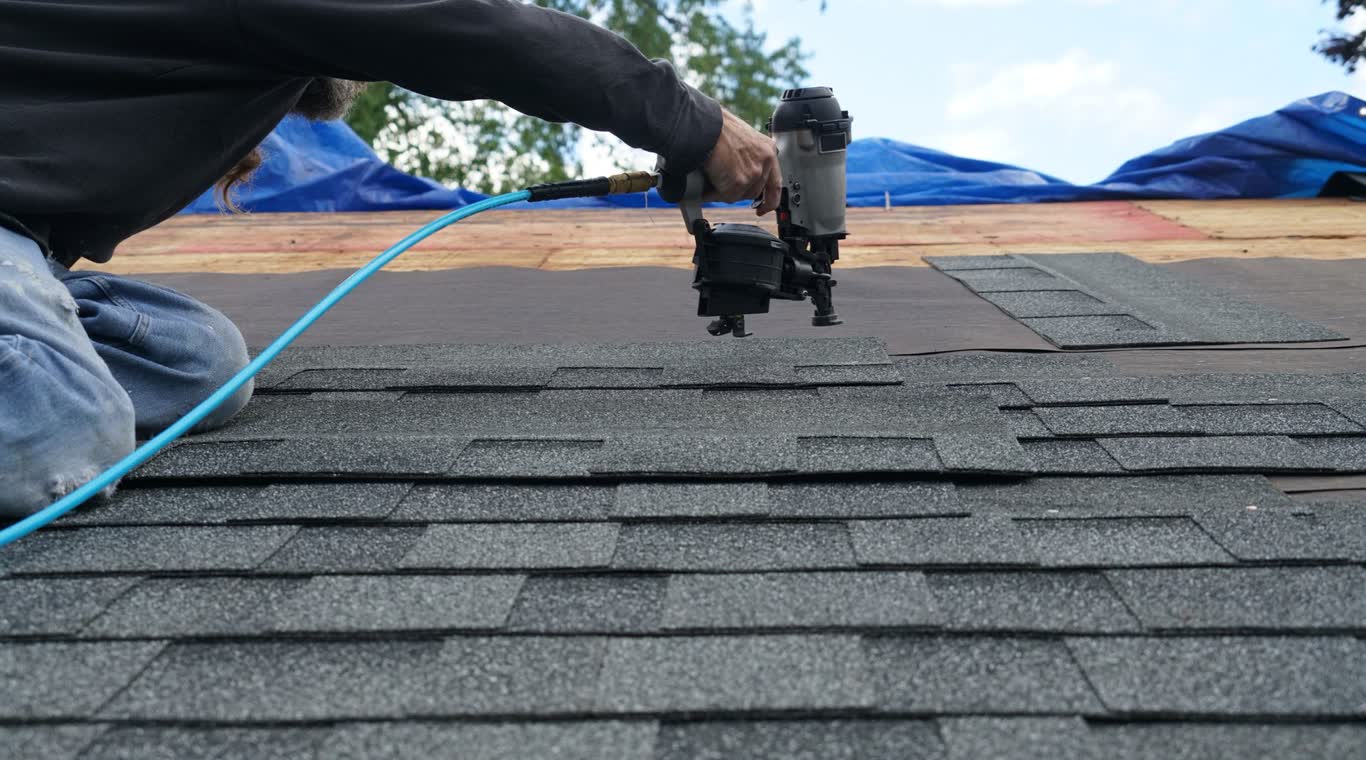
For most Fort Pierce homes, a roof inspection once a year is a good rule. Add an extra check before hurricane season and after any strong storm. A short written summary after each visit lets you track changes over time.
Why Florida roofs need a regular schedule
Florida roofs work hard. Sun bakes the surface every day. Rain, humidity, and salt air wear down sealants and fasteners. Wind can lift shingles, loosen flashing, and push debris into gutters. Many of these problems start small and stay hidden until a leak shows up inside the home.
A regular inspection catches small issues early. A loose tab, a cracked seal, or a clogged valley is usually cheaper to fix than water damage in the attic. That is the main reason to stick to a schedule instead of waiting for a leak.
The best times to schedule an inspection
Timing matters. Most local homeowners find these windows work well:
- Before hurricane season. Check the roof in spring, before the rainy and storm months begin. Fix weak spots while crews have time and dry weather. For a step-by-step list, read our pre-season roof inspection guide.
- After a major storm. Wind and hail can damage a roof even when the house looks fine from the street. Schedule a check once it is safe to get on the property.
- When buying or selling. A current inspection gives buyers and sellers a clear picture of the roof. It can also prevent last-minute surprises during closing.
- After a leak or stain. A water spot on a ceiling is a signal. Do not wait for it to grow.
What a good inspection looks at
A thorough inspection covers more than the surface. The inspector should check the shingles or tiles, the metal or flat sections, and the flashing around vents, chimneys, and skylights. They should look at gutters, downspouts, and the edges where the roof meets the walls. Attic space matters too, because it shows moisture and airflow problems that the roof surface may hide.
Shingle roofs often show missing or lifted pieces. Tile roofs may show cracked or slipped tiles and loose mortar. Metal roofs can show loose screws, scratched coatings, and seams that need attention. Flat roofs often need a close look at ponding water and drains.
What a written summary should include
A verbal report is not enough. Ask for a written summary that lists what was checked and what was found. Good summaries include photos of problem areas, a plain-language note about each issue, and a suggested order for repairs. They should also say which items are urgent and which can wait.
Keep every summary. Over the years, these records show how the roof has aged. They also help you compare a new inspection with an older one. If you ever need to talk to an insurance company, dated photos and written notes can be useful records. Coverage decisions always belong to your insurer.
At Dalton Roofing Inc, every free roof inspection ends with a written summary. Estimates are written and itemized after the inspection, so you can review each line before you decide anything. There is no obligation to move forward.
Questions to ask before the inspector arrives
A few questions help you get the most from the visit. Ask how long the inspection will take and whether they will check the attic. Ask whether they will photograph each problem area. Ask how they will explain urgent items compared with items that can wait. Ask what the summary will include and when you will receive it.
If you prefer Spanish, ask in advance. Dalton Roofing Inc speaks English and Spanish. Se habla espanol.
Signs you should not wait for the next scheduled visit
Some warning signs need prompt attention. Call for help if you see water stains on ceilings or walls, daylight showing through the roof boards in the attic, or granules piling up in gutters. Call right away if shingles or tiles are missing after a storm, or if the roof sags.
Dalton Roofing Inc offers 24/7 storm and emergency response. A fast response can limit water entry while repairs are planned. Your regular inspection schedule then becomes a tool for the longer repair plan.
How Fort Pierce neighborhoods differ
Homes in Fort Pierce sit near open water, marsh areas, and busy roads. Some lots catch more wind and blowing sand. Older homes may have layers of roofing that hide the decking underneath. Newer homes may have fewer issues, but they still need regular checks. Ask the inspector what they see on your specific home, not just a general checklist.
We serve St. Lucie, Martin, Palm Beach, and Indian River Counties. Our crews work on shingle, tile, metal, and flat roofs. That range helps us give a clear view of the right inspection plan for your house.
Set up your inspection plan today
Start with one visit. You can learn more about our roof inspection service before you call. Note the date, the findings, and the next check you plan. Mark the calendar for spring each year, and add a visit after every major storm. Keep the written summaries together in one folder or file. Over time, that folder becomes a simple history of your roof.
Ready to schedule your first visit? Call Dalton Roofing Inc at (561) 662-6622 for a free roof inspection with a written summary and no obligation. We are a family-owned company based in Fort Pierce, and we are glad to answer your questions before any work begins.
Frequently Asked Questions
How often should a Fort Pierce roof be inspected?
A yearly inspection is a good rule for most homes. Add a check before hurricane season and another after any strong storm.
What should a roof inspection summary include?
It should list what was checked, photos of problem areas, a plain-language note about each issue, and a suggested order for repairs. It should also mark which items are urgent.
Is a roof inspection free?
Dalton Roofing Inc offers a free roof inspection with a written summary and no obligation.
When should I call for an emergency roof visit?
Call right away if you see ceiling stains, daylight through the attic boards, missing shingles or tiles after a storm, or a sagging roof.