
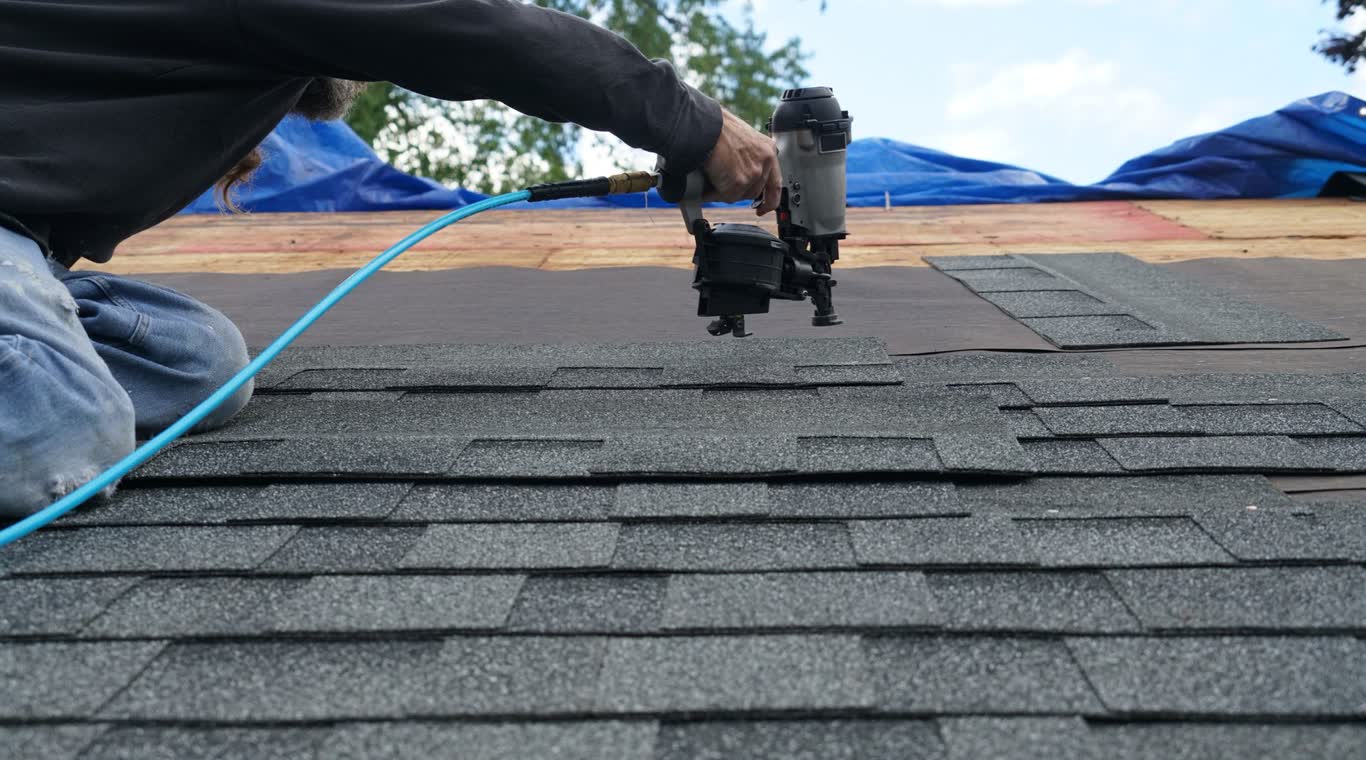
The dry months are a low-pressure window to find clogged drains, lifting seams and failed flashing before the first heavy spring rain tests them. A small problem found in winter is usually a short repair. The same problem found during a storm can mean wet ceilings and a rushed call. Use the weeks ahead to look now.
Dalton Roofing Inc is a family-owned company based in Fort Pierce, and a roof inspection is one of the most useful things we do for homeowners across the Treasure Coast.
Why is winter a good time to look at the roof?
Winter is a good time because the weather is mild, the roof is dry, and nothing is leaking yet. Dry roofs are easier and safer to inspect, and repairs are easier to schedule when everyone is not calling at once.
Florida's wet season brings heavy rain and strong storms. Whatever is weak on the roof will show itself then. Finding it first gives you time to fix it on your own schedule instead of during a downpour.
What can you check safely from the ground?
Think of this as a quick look, not a repair. The goal is to notice anything that seems different from last year, then hand it to a pro.
You can learn a lot without a ladder. Walk around the house and look up at the roof with binoculars if you have them. Stay on the ground and never climb a wet or steep roof yourself.
- Shingles or tiles that look cracked, lifted, slipped or missing
- Dark streaks or damp stains on ceilings inside the house
- Gutters that sag, overflow or hold standing debris
- Flashing around chimneys, vents and walls that looks bent or pulled away
- Sunlight in the attic, or damp insulation
Take notes and photos. They help when you talk to a roofer, and they let you compare against what you see next season.
What does a routine inspection look at?
A routine inspection looks at the whole roof system, not just the surface. Our crew walks the roof, checks the drains, the seams, the flashing and the roof edges, and writes up what they find. The goal is to catch clogged drains, lifting seams and failed flashing while they are still minor.
Dalton offers a free roof inspection with a written summary and no obligation. If something needs work, the estimate is written and itemized after the inspection. You can read more about the timing of inspections in our post on pre-season roof inspections in Port St. Lucie.
Which small problems turn into leaks first?
Roofs rarely fail all at once. Most leaks start small, with one weak detail that sits quietly through the dry months.
The weak spots are usually the places where water is directed or where two surfaces meet. These are the first to let water in once the heavy rain returns.
- Clogged drains: water backs up on flat roofs and finds its way under the edges.
- Lifting seams: a seam that has started to open lets wind-driven rain underneath.
- Failed flashing: gaps around penetrations are a common leak path.
None of these look dramatic from the ground. That is why they are often missed until water shows up inside. A quick check in winter spots them early.
Once the rains arrive, a small opening can let in water every time it storms. Wet insulation and stained ceilings follow, and the repair then covers more than the roof itself. A winter fix keeps the job small.
When should you schedule it before the rains start?
Schedule it as soon as you can in the dry season, not the week before the rains begin. Early scheduling leaves room for repairs, and the roof can be worked on in better weather.
Here is a simple order of work. In the next few weeks, do your ground check and book the inspection. Over the following month or two, handle any repairs the summary lists. Before the wet season, clear the gutters again and look once more. Anything cosmetic can wait until later.
If you can, plan the inspection for late winter or early spring, then clean the gutters and trim back tree limbs afterward. After a hard storm at any time of year, call right away. Dalton also offers 24/7 storm and emergency response when the weather will not wait.
Homeowners in Port St. Lucie, Fort Pierce, Stuart, Vero Beach and nearby areas can call Dalton Roofing at (561) 662-6622 to book a free roof inspection. We speak English and Spanish, and we will give you a written summary of what we find.
Frequently Asked Questions
How long does a roof inspection take?
It depends on the size and type of the roof. A typical visit covers the roof surface, drains, seams, flashing and edges. Ask when you book and the crew can tell you what to expect.
Do I need to be home for the inspection?
It helps to be there so you can point out any stains or concerns, but you do not have to be. You will receive a written summary of what the crew found either way.
Does Dalton work on commercial roofs too?
Yes. Dalton handles residential and commercial roofing, including shingle, tile, metal and flat roofs. Flat commercial roofs benefit from a drain check before the wet season.
Is the inspection really free?
Dalton offers a free roof inspection with a written summary and no obligation. If repairs are needed, the estimate is written and itemized after the inspection so you can decide at your own pace.