
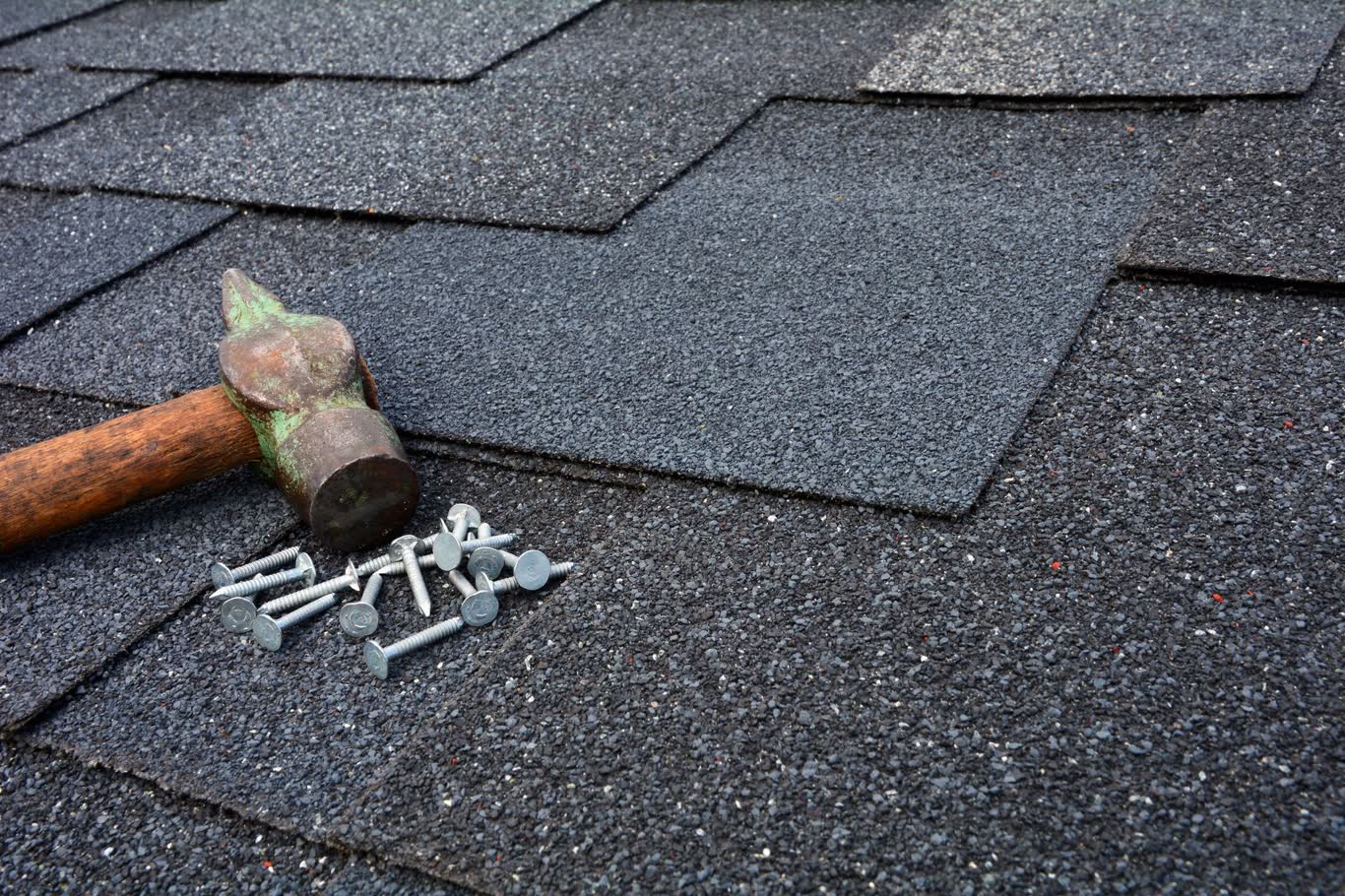
An inspector checks the ridge cap and its fasteners, the hip shingles for wind lift, and whether the rake edge flashing is sealed. These are the high points and outer edges of the roof, where wind hits first. Each one has its own checks, because each fails in its own way.
Why does the top edge of a roof get its own check?
The ridge, hips and rakes take the most wind, so small flaws show up there first. A loose cap or lifted shingle at the top can let wind-driven rain under the roof covering, even when the flat field of the roof looks fine.
Dalton Roofing builds these checks into its free roof inspection, which comes with a written summary and no obligation. Homeowners in Fort Pierce, Port St. Lucie and the rest of the Treasure Coast often skip these areas because they are hard to see from the ground. That is why they get a separate look.
What is checked on the ridge cap?
The inspector looks at the ridge cap for cracks, gaps and loose pieces, and checks whether any fasteners are showing. Ridge cap condition and fastener exposure tell you whether the top of the roof is still shedding water the way it should.
Here is the ridge checklist.
- Cap shingles or tiles that are cracked, chipped or missing.
- Gaps along the ridge line where pieces no longer meet.
- Nail or screw heads that are exposed, backed out or rusted.
- Sealant or mortar that has split, crumbled or pulled away.
- A ridge line that dips or wavers instead of running straight.
- Staining or granule loss along the cap that points to long-term wear.
Exposed fasteners matter because a nail head that sits proud of the surface gives water a path into the roof. A fastener that has backed out also means the piece it holds can lift in the next storm.
How are hip shingles checked for wind lift?
Hip shingles are checked by looking along each hip line for edges that curl, lift or have shifted. Wind lift means the wind has started to pry a shingle up, and a lifted edge breaks the seal that keeps it flat.
- Edges that sit up off the roof instead of lying flat.
- Shingles that have slid out of line with their neighbors.
- Cracks that run across the fold at the hip.
- Missing pieces that leave bare spots along the diagonal.
On a tile roof the same idea applies, but the check is for loose or shifted hip tiles instead of curled shingles. Dalton handles shingle roofing and tile roofing, so the checks match the roof type.
What does a sealed rake edge look like?
A sealed rake edge is a tight, straight edge where the roof meets the gable end, with flashing that sits flat and has no gaps. The rake edge flashing seal keeps wind from getting under the edge of the roof and keeps water out of the trim below.
The inspector looks for flashing that has lifted, shifted or rusted. Sealant that has dried and split also gets noted. Gaps along the rake edge are a common spot for wind to start peeling the covering back, so this is a part of the visit worth paying attention to.
What happens if the inspector finds a problem up high?
You get it in writing. The inspection comes with a written summary, so you can see what was found and decide what to do. Estimates are written and itemized after the inspection, so you are not asked to pick a repair on the roof.
A few cracked cap pieces or a section of lifted flashing may be a simple roof repair. Wider wear along the ridge and hips can lead to a bigger conversation about the whole roof. Either way, the summary gives you something to compare against other opinions. If you want to know what the report should cover, read our post on what a written roof inspection report should include.
Dalton Roofing is family-owned and based in Fort Pierce, and serves St. Lucie, Martin, Palm Beach and Indian River Counties. English and Spanish are spoken (Se habla espanol). After a storm, 24/7 emergency response is available too.
To have the ridge, hips and rakes checked on your roof, call Dalton Roofing Inc at (561) 662-6622 to schedule a free roof inspection with a written summary and no obligation.
Frequently Asked Questions
Can a homeowner check the ridge from the ground?
You can look for sagging lines, missing pieces or debris along the top edge, but the ridge cap and its fasteners are hard to judge from below. Do not climb up. A roofer can check safely.
What is wind lift on a shingle?
Wind lift is when wind pries up the edge of a shingle and breaks its seal. The shingle may still look normal from a distance, but it can tear off or let rain under it next time.
Does a roof inspection cost anything?
A Dalton Roofing inspection is free and comes with a written summary and no obligation. Any repair estimate that follows is written and itemized after the inspection is done.
Should I get a roof checked after a storm?
Yes. High wind loosens ridge caps, hip shingles and rake flashing first. A check after a storm finds small damage early, before rain gets in and turns a small repair into a larger one.