
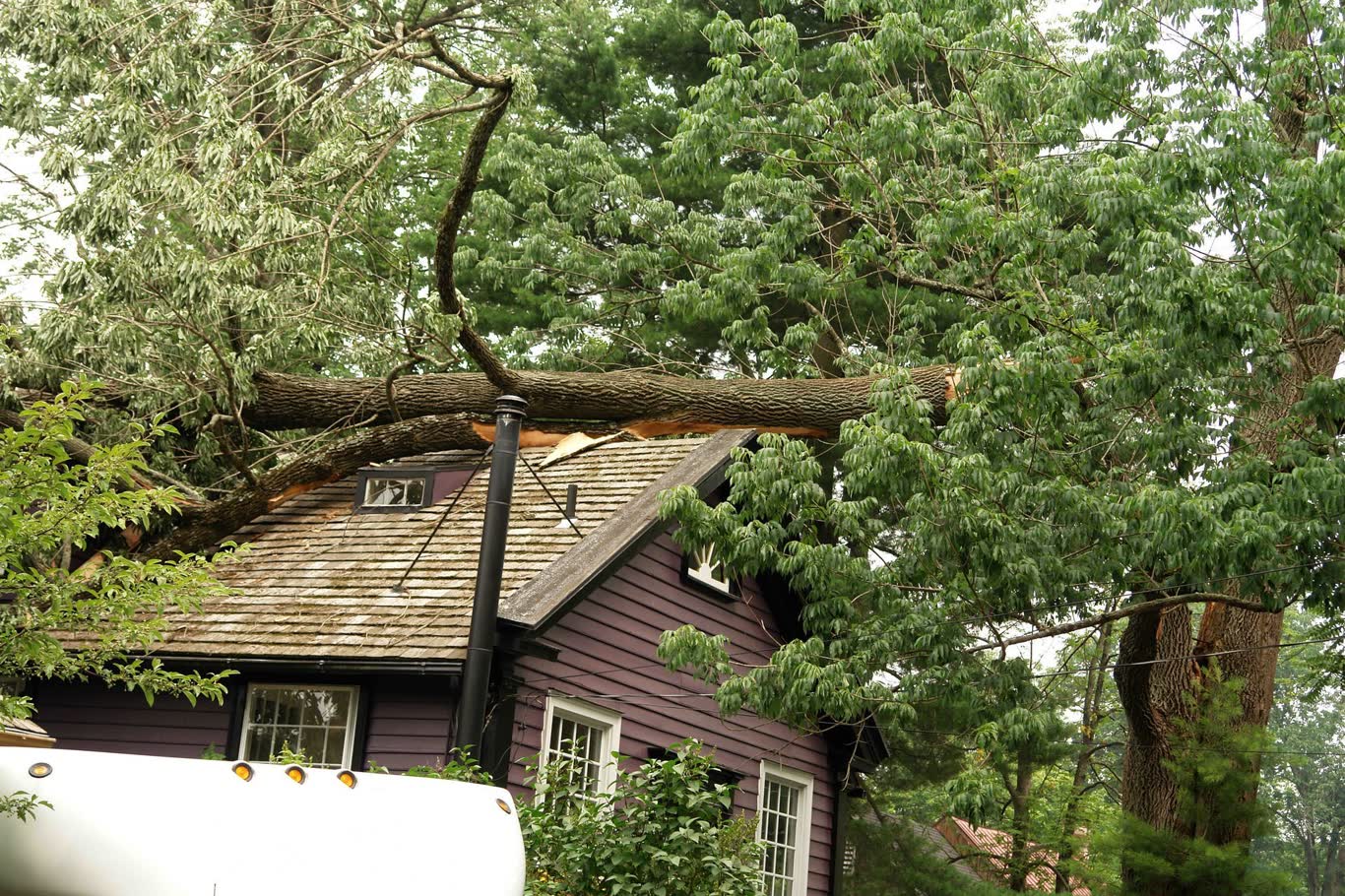
You call, give the address and describe what you see, and a crew is sent to stop the water with a tarp. The damage is then documented with photos, and the permanent repair is planned after that. Dalton Roofing Inc runs this storm and emergency roof repair response the same way every time.
Dalton offers 24/7 storm and emergency response. The steps follow the same four steps whether the call comes in at noon or 2 a.m. Here is what each stage looks like, so you know what to expect before you ever need it.
What should you have ready before you call?
Have your street address, a short description of the damage, and a safe place to stand ready before you dial. Keep your phone charged and a flashlight close by, since storms often take the power.
You do not need to climb up or look at the roof yourself. Stay inside and look for signs from the inside and the ground. Safety comes first, and a wet roof or strong wind is no place for a homeowner.
It helps to have this information handy:
- The full address and the nearest cross street.
- Where water is coming in, such as a bedroom ceiling or a hallway.
- Whether a tree, a limb or other debris landed on the house.
- A good phone number to reach you.
- Any gate, dog or access issue the crew should know about.
If water is coming through a ceiling, move your furniture and rugs out of the way and set a bucket under the drip. Do not step on a bulging ceiling, because it may be holding a lot of water.
What does the dispatcher need to know?
The dispatcher needs the address, what you can see, and how fast the water is coming in. That tells the team what to bring and how to plan the stop-the-water step.
Describe the damage in plain words. Missing shingles, a broken tile, a hole from a fallen branch or a ceiling stain are all useful details. If you know the roof type, such as shingle, tile, metal or flat, say so. Dalton handles all of these.
Tell them if anyone in the home is at risk, or if you see a downed power line. Stay away from the line and call your power company. Your safety matters more than the roof.
English and Spanish are both spoken at Dalton, so you can describe the problem in whichever language is easier for you. Se habla espanol.
What happens when the crew arrives?
The crew checks the damage and covers the opening with a tarp to keep more water from getting in. The goal at this stage is to stop the leak, not to finish the repair.
A tarp is a short-term cover. It is secured over the damaged area so rain cannot reach the deck and the inside of your home. For more on this step, see our roof repair page for how permanent fixes follow.
The crew will walk through the work with you. Here is the usual order:
- The crew looks over the damaged area from the ground and the roof when it is safe.
- They clear loose debris that could tear the tarp or cause more harm.
- They cover the opening and secure the tarp so wind is less likely to lift it.
- They check that the cover is tight and water is no longer entering.
- They go over what they found and what needs to happen next.
Even with a tarp on, keep an eye on the ceiling inside. If a stain grows or drips continue, call back right away.
How is the damage documented?
The crew takes photos of the damage and the tarp so there is a clear record. Good photos help you show what happened, and they help the repair plan stay accurate.
Photos usually cover the damaged area, the surrounding roof, and any debris that caused the problem. If a tree limb or object hit the roof, it should be in the photos before it is moved.
You can take your own photos too. Pictures of ceiling stains, wet insulation and damaged items inside help complete the picture. Take them from a safe spot and save them to your phone.
Keep in mind that Dalton cannot promise how an insurance company will respond. If you plan to file a claim, call your insurer and ask what they need to see. The photos give you a solid start.
What comes after the tarp?
After the tarp, the next step is a closer look at the roof and a plan for the permanent repair. Dalton offers a free roof inspection with a written summary and no obligation.
An inspection can find damage that is not obvious at first, such as lifted shingles, cracked tile or loose flashing. Estimates are written and itemized after an inspection, so you can see what the work covers before you decide.
Depending on what the inspection shows, the plan may be a repair of the damaged section or a larger fix. You choose the next step. Monthly payment plans are available on the financing page if you need them.
Dalton is a family-owned company based in Fort Pierce and serves St. Lucie, Martin, Palm Beach and Indian River Counties. That includes Port St. Lucie, Stuart, Jupiter, Vero Beach and nearby towns.
If your roof has taken storm damage, call Dalton Roofing Inc at (561) 662-6622 any time to start the response, and ask about a free roof inspection once the water is stopped.
Frequently Asked Questions
Do I need to go on the roof before the crew arrives?
No. Stay inside and stay safe. Look for signs from the ground or inside the house, take photos if it is safe, and let the crew handle the roof once they arrive.
Is the tarp a permanent fix?
No. A tarp is a temporary cover that stops water from getting in. The permanent repair is planned after the damage has been documented and the roof has been inspected.
Does Dalton speak Spanish?
Yes. English and Spanish are both spoken, so you can describe the damage and ask questions in the language that is easiest for you.
What should I do if the leak continues after the tarp?
Call back right away and tell the dispatcher what you see. Keep buckets under any drips and keep furniture and electronics away from the wet area.