Homes on the barrier island face more salt exposure than mainland homes, so roof materials and fasteners should be chosen with that in mind. Salt in the air speeds up wear on metal parts, especially near the water. Dalton Roofing specs materials differently for the island side of A1A than for mainland Vero Beach communities.
If you live in Vero Beach, our Vero Beach roofing page explains how we work in the area. This post covers the part that surprises many owners: where your house sits matters as much as what you put on top.
Why does the barrier island change roof choices?
The island sits between the Atlantic and the Indian River Lagoon, so salt-laden air reaches roofs there more often and more directly. A roof on the island side of A1A is working harder than a similar roof a few miles inland.
Salt does not hurt every roofing part the same way. It attacks exposed metal first: fasteners, flashings, vents and edge pieces. Wind carries the salt, and rain does not always wash it off the parts that sit under overhangs or behind trim.
That is why we do not use one list of materials for every Vero Beach address. We look at where the home sits before we talk about what goes on it.
What does salt air do to metal and fasteners?
Salt air speeds up corrosion on metal that is not made for it. Small parts show the damage first, because they have less metal to lose and they hold the roof down.
Here are the places salt exposure shows up on a roof:
- Fasteners that rust, stain the surface, or lose their grip.
- Flashings around chimneys, walls and skylights that pit or flake.
- Drip edge and eave trim that streaks or thins.
- Roof vents and pipe boots that crack or corrode.
- Valley metal that holds moisture and salt together.
Rust streaks running down from a vent or screw head are an early warning. So is paint that bubbles or peels on a metal edge. These are small problems when caught early. They get costly to fix when water finds a way in, so a quick look is worth it.
Rinsing helps too. Fresh water on a roof does not replace good materials, but it can carry off some salt from parts that rain does not reach. Ask your roofer what kind of cleaning is safe for your roof type before you pick up a hose or pressure washer, since the wrong method can damage shingles and tile.
Which materials suit the island side?
On the island side, the best match is a roof system where every metal part is picked for coastal exposure, not just the main covering. The roof surface, the fasteners and the flashing all need to hold up together.
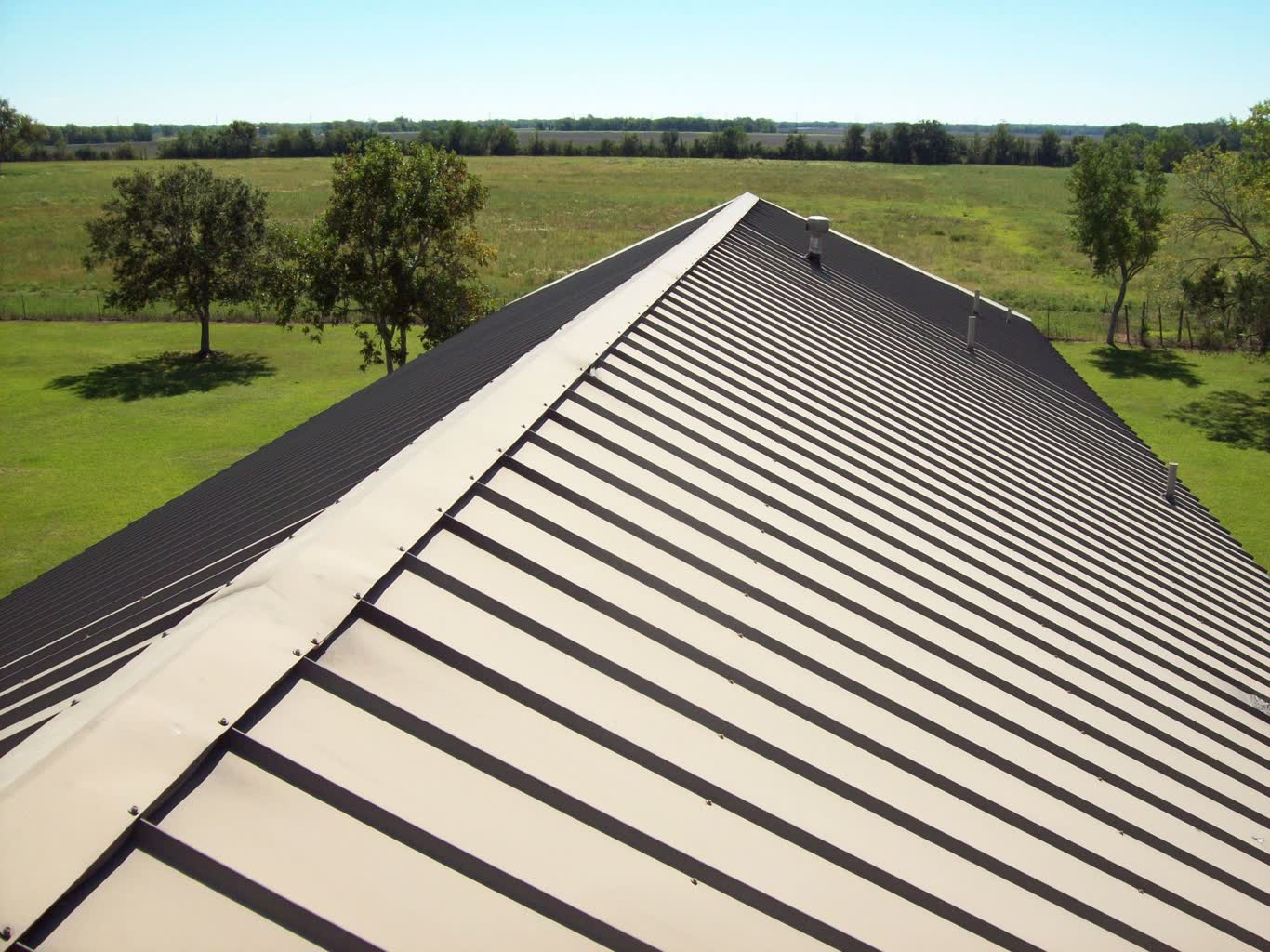
Metal roofing is a common choice in coastal areas, and our metal roofing page covers what we install. The key point is that the finish and the fasteners need to be suited to salt, since a strong panel with weak screws is still a weak roof.
Tile and shingle roofs can also work on the island. In those cases we pay close attention to the flashing metal, vents and fasteners underneath, because that is where salt does its damage. We handle shingle, tile, metal and flat roofs, so the choice can follow your home and your needs.
One more point for island owners: the roof is only as strong as its weakest small part. When you compare two bids, look past the price of the surface and ask what holds it down and what seals the edges. Those details decide how the roof ages near the water.
What about mainland Vero Beach?
Mainland communities see less direct salt exposure, so the material list is usually wider. Many mainland homeowners can choose based on look, budget and how long they plan to stay.
Less salt does not mean no salt. Coastal air travels inland, and Florida sun, rain and wind still wear on every roof. Mainland owners should still ask what the fasteners and flashings are made of and how the roof will shed water.
The goal is the same on both sides of the river: a roof that fits the home and its location. Only the starting point is different.
If your home sits near the line, such as just west of the water, ask for the roofer's view on exposure. A short walk around the house, a look at the existing metal and a talk about what you see will tell you a lot. We also check how the current roof has aged, because old fasteners and flashing show how hard the site has been on materials.
What should you ask the roofer about materials?
Ask the roofer whether the materials and fasteners they plan to use were chosen for your location. A good answer names the parts, not just the roof surface, and explains why.
These questions help you compare bids:
- Is my home on the island side or the mainland, and does that change the plan?
- What are the fasteners and flashings made of?
- How are vents, edges and valleys handled?
- What will you check at inspection time on a roof like mine?
- Is the estimate written and itemized?
At Dalton, estimates are written and itemized after an inspection. We are a family-owned company based in Fort Pierce, and we serve Indian River County along with St. Lucie, Martin and Palm Beach counties. Se habla espanol.
A roof that was fine when it went on can still need a look after a few salty seasons. If you see rust streaks, loose edge metal or stained flashing, get it checked before the next big storm. We offer 24/7 storm and emergency response if damage happens fast.
Call Dalton Roofing at (561) 662-6622 to schedule a free roof inspection with a written summary and no obligation.
Frequently Asked Questions
Does salt air really damage a roof?
Yes, mostly the metal parts. Fasteners, flashings, vents and edge metal can corrode faster near the coast. Looking for rust streaks and stained metal is a good first check.
Is the island side of A1A different from mainland Vero Beach for roofing?
It can be. The island side sees more salt exposure, so Dalton specs materials differently there than for mainland communities. Location is part of the plan.
What roof signs should I look for after salty weather?
Look for rust streaks below vents or screws, peeling paint on metal edges, loose trim and stained flashing. Any of these is a good reason to have the roof checked.
Does Dalton offer roof inspections in Vero Beach?
Yes. Dalton serves Indian River County and offers a free roof inspection with a written summary and no obligation. Call (561) 662-6622 to set one up.