
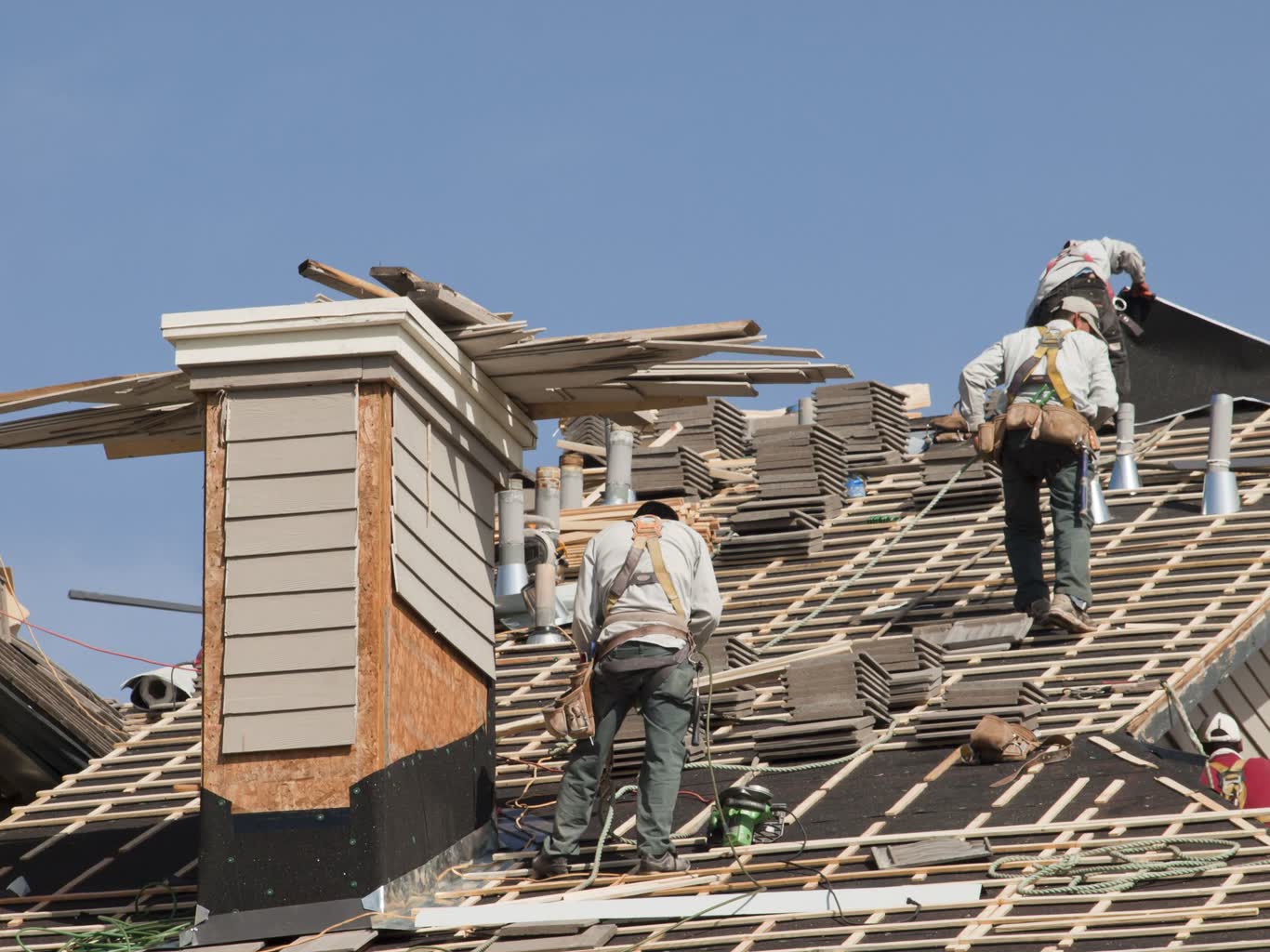
Decking problems only show once the old roof is off, so a fair roofer stops, shows you photos and agrees on the change with you before any extra work is charged. At Dalton Roofing, we talk before we charge. You should see what the roofer sees, in writing, before you say yes.
Why is decking only visible after tear-off?
Decking is the layer of wood under the shingles, tile or metal, and the old roof covers it completely. From the ground or the attic, a roofer can spot hints of trouble, but nobody can see every sheet until the roofing is removed.
That is why a good roof replacement starts with an inspection and a written estimate, with the understanding that some things can only be confirmed on tear-off day. In Florida, heat, humidity and slow leaks can wear down wood in spots you would never guess from the street.
What does soft or rotted decking look like?
Bad decking is usually dark, crumbly or spongy, and it can feel soft underfoot. Boards may be split, curled or stained from old leaks. Some sheets sag between the rafters.
Not every stain means rot. Light water marks on solid wood often dry out and stay sound. The roofer should be able to tell the difference and show you which sheets are actually a problem. Here are signs that point to real damage:
- Wood that crumbles or flakes when pressed with a screwdriver
- Sheets that flex or give under a footstep
- Nails that spin or pull out easily
- Dark, wet-looking areas around vents, chimneys or valleys
- Gaps or holes where the wood has broken apart
Water is the main cause. A small leak around a vent boot or a flashing seam can feed the same patch of wood for a long time. The shingles on top may look fine while the wood below slowly weakens. Warm, damp Florida weather speeds that along.
Older roofs add another factor. Past repairs, missing underlayment or nails that backed out over time can all let moisture reach the deck. None of this is anyone's fault, but it is why a firm price for every sheet of wood cannot be set before the roof is open.
What should the roofer show you?
The roofer should show you clear photos of the exact spots, taken from the roof, with a note on where each one is. Photos let you judge for yourself without climbing a ladder in the middle of a project.
This is where a fair process begins. The crew stops work on that area, the project lead calls or messages you, and you talk it over. Nothing is added to the job until you have seen the problem and agreed. This follows the same rule we use on every job: we talk before we charge.
If you are not sure about the photos, ask the roofer to point out the damage and explain how it affects the new roof. You can also review our guide on how to compare roofing estimates line by line to see how scope should appear on paper.
How should the extra work be written down?
The extra work should be written down before it happens, as a clear change to the original estimate. It should say what is being replaced, where it is and how much of the roof it covers.
Dalton Roofing writes estimates that are itemized after an inspection, so a change should read the same way, as a line you can compare to the first document. If a roofer says only that the job will cost more and offers no detail, ask for it in writing.
A good change note answers three things:
- What was found, with photos
- What will be done about it, and in which area
- What changes in the scope, written out for you to approve
Your approval should come before the crew moves on. Homeowners in Fort Pierce, Port St. Lucie, Stuart and across our service area deserve to know what they are paying for and why.
It also helps to know what a fair process does not include. You should not get a surprise bill at the end of the job, and you should not be pressured to decide on the spot with a crew standing on your roof. A pause for a phone call is normal and expected.
If the answer is that no decking work is needed, that is good news and the job simply goes ahead as estimated. Many roofs open up without any wood problems at all.
What can you ask before the job starts?
You can ask how the roofer handles surprises before you sign. A short conversation at the start sets the rules and avoids stress later on. Good questions to bring up are:
- If you find bad decking, will you stop and call me first?
- How will you document it, and will I get photos?
- Will the change be itemized in writing?
- Who will I speak with on the day, and how can they reach me?
- Do you speak English and Spanish, if that is how I prefer to talk?
Dalton Roofing is a family-owned company based in Fort Pierce, and we speak English and Spanish. Se habla espanol. If you have a plan for your roof and want to know what to expect, we are glad to walk through it before work begins.
You can also look at our roof inspection page to see how a first visit works.
Want to know what your roof needs before the tear-off? Call Dalton Roofing at (561) 662-6622 to schedule a free roof inspection with a written summary and no obligation.
Frequently Asked Questions
Can a roofer see rotted decking before tear-off?
Sometimes a roofer sees hints, like soft spots, sagging or attic water stains. Still, the full condition of the wood is only clear once the old roofing is removed and every sheet can be checked.
Do I have to approve extra decking work?
You should. A fair roofer explains the problem, shows photos and gets your agreement before adding work. If that does not happen, ask the roofer to pause and put the change in writing.
Does one soft spot mean the whole deck is bad?
Not usually. Damage is often limited to certain areas, such as near vents, valleys or old leaks. The roofer should show which sheets need replacing and which are still solid.
Should I be home on tear-off day?
It helps to be reachable by phone. If the crew finds a problem, they need to reach you quickly so work does not sit idle while you decide.