
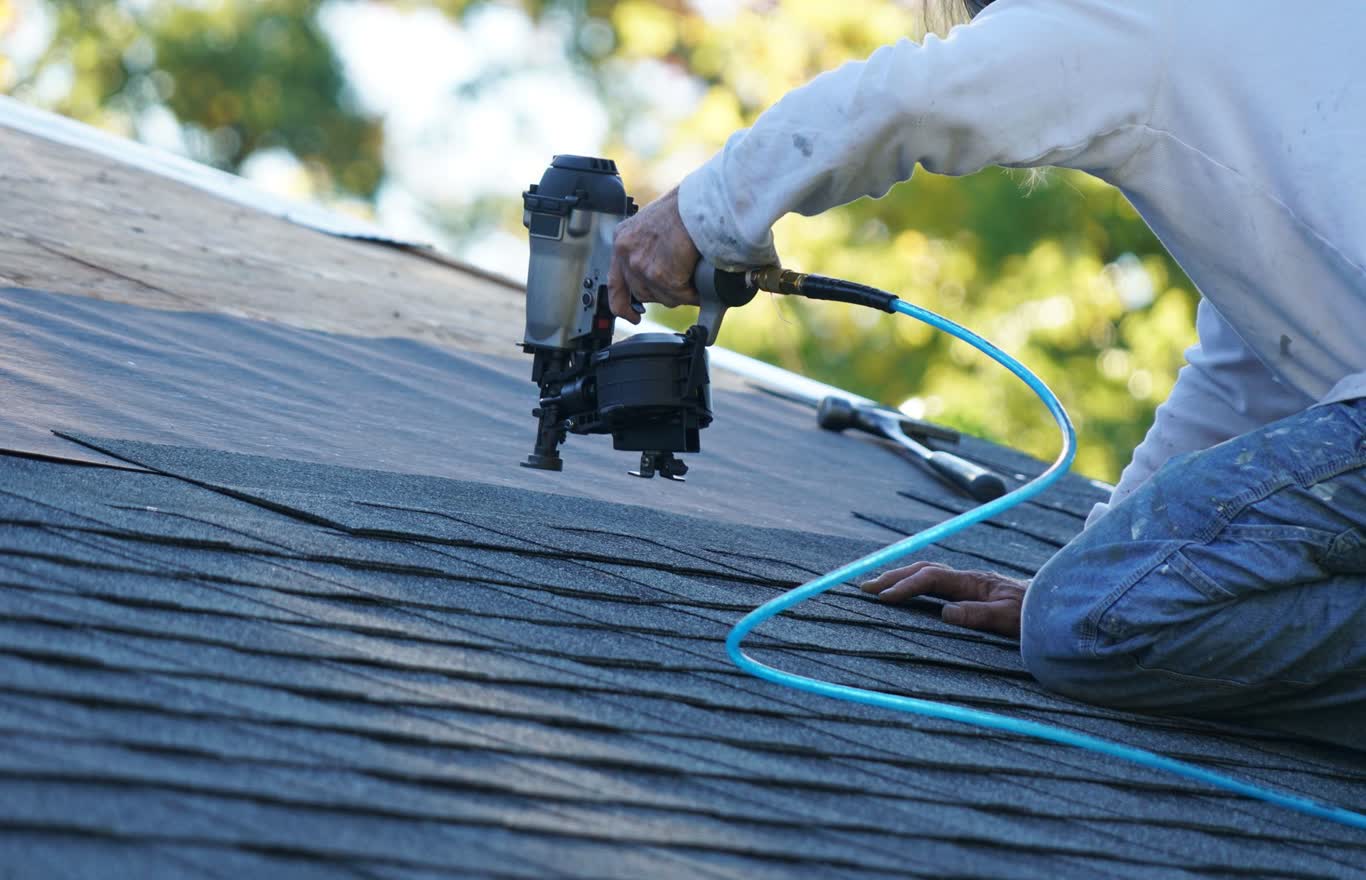
The roof section of a home inspection report tells you how much life your roof may have left and where it may need work. It usually lists the roofing material, the general condition and any problem areas, such as worn shingles or loose flashing. A roofer's second look can explain each note in plain terms and help you plan your next step.
Why the Roof Section Matters in Vero Beach
In Vero Beach and across the Treasure Coast, roofs work hard. Sun, salt air, heavy rain and summer storms all wear on roofing material. The inspector's roof notes are often the first detailed look buyers get at this part of the home. Read them slowly. A short phrase in the report can point to a small repair today or a larger project later.
Common Roof Terms You Will See
Inspection reports use technical words. Here are a few you may run into:
- Remaining life: An estimate of how many more years the roof may last. This is a rough guide, not a promise. Weather, installation and maintenance all change the result.
- Flashing: The metal pieces around chimneys, vents, valleys and walls. Flashing keeps water out where roof planes meet other parts of the house. Loose or rusted flashing is a common leak point.
- Granule loss: Shingles are coated with small mineral granules. As they wear away, the shingle can age faster. Loose granules in gutters or on the ground can be a sign of this wear.
- Lifting or curling shingles: Edges that rise or curl can let wind and rain get under the surface.
- Soft decking: A soft spot in the roof deck can mean water has moved past the roofing layer.
What a Roofer's Second Look Adds
An inspector sees the whole house. A roofer focuses on the roof alone. That second look can answer questions the general report leaves open. Is the note about flashing a small seal job, or a sign of larger trouble? Are the granules thin across the whole roof, or only in one area? Does the roof show wind damage from a recent storm?
A roofer can also check how the roof was built. Underlayment, nailing pattern and ventilation all affect how long the system lasts. Those details are hard to see from the ground, and they matter for the final plan. Dalton Roofing Inc handles shingle, tile, metal and flat roofs, so we can speak to the specific material your home uses. Our roof inspection service includes a written summary you can keep for your records.
How Roof Notes Feed Into Negotiation
Buyers often use roof notes when they talk about price or repairs. A clear, written roof summary gives you a stronger starting point. It lists what needs attention, what can wait, and what should be fixed before closing. It also helps you avoid guessing about the next steps.
Ask your agent and the inspector a few direct questions:
- Which notes are cosmetic, and which affect how water moves off the roof?
- Is any damage active, or is it older wear?
- Does the roof need a repair now, or a plan for later?
- Are there signs of past leaks in the attic?
Write the answers down. A clear list helps you decide what to ask the seller to handle and what to plan for after you move in. Keep the inspection report with your closing papers for future reference.
Questions to Ask a Roofer
When you bring in a roofer, ask them to explain each note in plain language. Ask them to show you the problem areas on the roof and in the attic. Ask what they recommend, why, and what happens if you wait. A good roofer will answer these questions without pressure. Estimates should be written and itemized, so you can compare them side by side.
Look for a roofer who explains options and does not rush you. You should understand the scope of the work before you agree to anything. If the roof has several issues, ask which ones are urgent and which can be scheduled later. This keeps your budget and your timeline in view.
Helpful Habits for Florida Roof Owners
If you already own your home, read the roof section of your last inspection again. Compare it to what you see on the ground after storms. Keep an eye on the gutters, the attic ceiling and the areas around vents. Small changes are easier to fix when you notice them early. Take dated photos of the roof and the gutters after big storms. Those photos give you a simple record to compare over time.
If the roof is part of a sale, it may help to understand who typically pays for a new roof. Our guide on who pays for a new roof, buyer or seller in Florida explains common options and what to ask before you sign.
Want a second opinion on your roof? Dalton Roofing Inc, a family-owned company based in Fort Pierce, offers a free roof inspection with a written summary and no obligation. We serve St. Lucie, Martin, Palm Beach and Indian River Counties, including Vero Beach, Stuart and Port St. Lucie. English and Spanish are spoken. Call (561) 662-6622 to schedule your inspection.
Frequently Asked Questions
What does remaining life mean on a roof inspection?
Remaining life is a rough estimate of how much longer the roof may last. It depends on weather, installation and maintenance, so treat it as a guide rather than a firm date.
Are loose granules on my gutters a problem?
Loose granules can be a sign that the shingles are wearing. A roofer can check the roof and explain whether the wear is normal or a sign of a bigger issue.
Should I get a roofer to look at the roof after the inspection?
A second look from a roofer can explain each note in plain terms. It can also show whether a flagged issue is minor or part of a larger problem.
Does Dalton Roofing handle tile and metal roofs?
Yes. Dalton Roofing Inc handles shingle, tile, metal and flat roofs for residential and commercial properties.