A good roof maintenance checklist helps property managers catch small problems before they become costly repairs. Walk the roof on a regular schedule, check the drains and flashing, look at rooftop equipment, and keep written records of every visit. Bring in a roofer when you see ponding water, cracks, lifted seams, or any active leak.
Why Regular Roof Checks Matter in Wellington
Florida roofs work hard. Sun, heat, and heavy rain wear down roof surfaces year after year. Wind-driven storms can lift edges and push debris onto the roof. Salt air along the coast adds more wear to metal parts. A routine check finds these issues while they are still small and easy to fix.
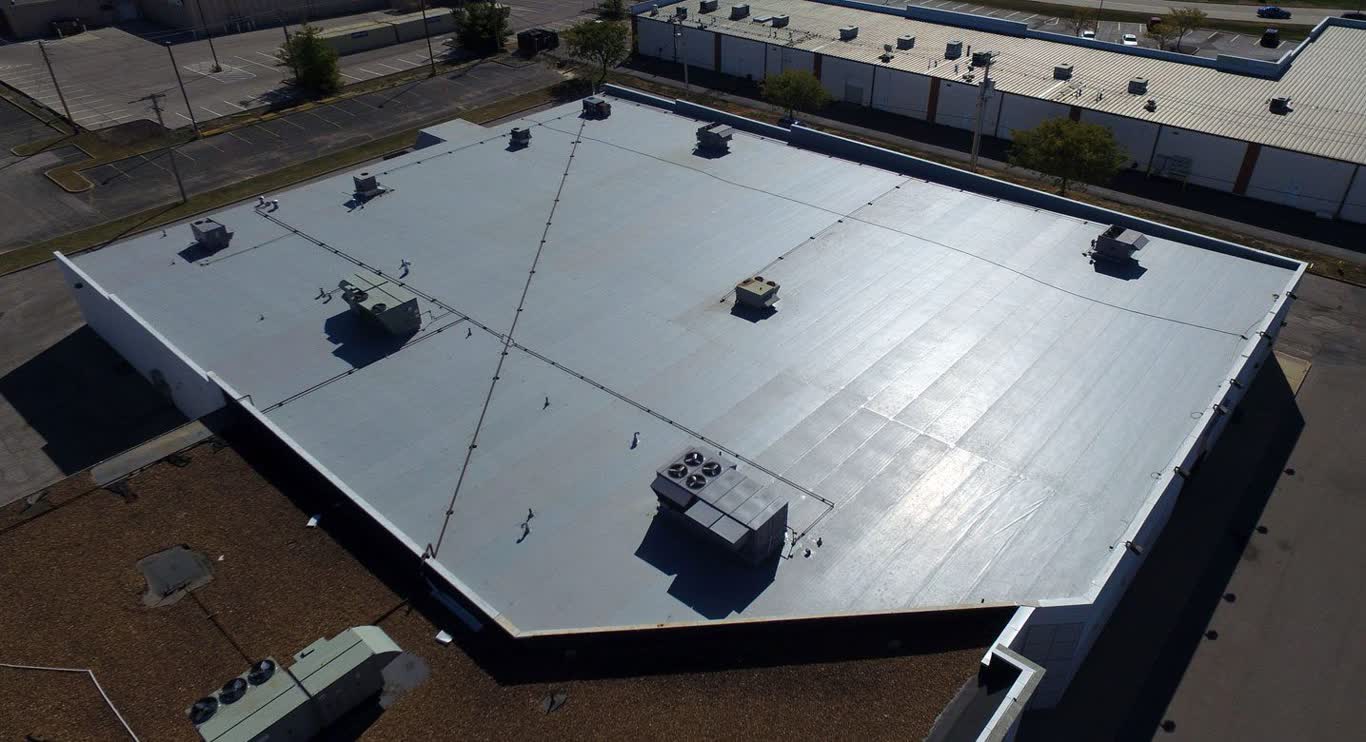
Many commercial roofs in Wellington and the rest of Palm Beach County have flat or low-slope designs. These roofs depend on good drainage. When water sits in one spot for too long, it can break down the membrane and find its way into the building. Regular walks help you see those trouble spots early.
Before You Start: Gather Your Records
Pull the last roof report, any repair invoices, and the roof plan if you have one. Note the roof type, the age of the system, and the location of each drain and roof penetration. Keep this file in one place so anyone who takes over the property can find it. A simple binder or shared folder works well.
Bring a notebook or a tablet and a camera. Photograph each area as you go. Dated photos help you track changes from one season to the next. They also give a clear record if you need to talk with an insurer later.
Checklist Item 1: Drains, Scuppers, and Gutters
- Clear leaves, sand, and debris from all roof drains and scuppers.
- Look for standing water that stays more than a day after rain.
- Check that gutters and downspouts are attached and draining freely.
- Confirm that drain covers are not cracked or missing.
Drains are the first line of defense on a flat roof. A clogged drain can turn light rain into a heavy load on the roof. If you see water pooling near a drain, note the location and call for an inspection.
Checklist Item 2: Flashing and Seams
- Look at flashing around parapet walls, curbs, and roof edges.
- Check seams in the membrane for lifting, gaps, or split edges.
- Inspect sealant around vents, pipes, and penetrations.
- Watch for cracks or bubbles in the surface.
Flashing and seams are where most leaks start. Look closely at the places where the roof meets a wall or a pipe. Small gaps here can let water into the building for a long time before anyone notices. Mark any problem areas on your roof map.
Checklist Item 3: Rooftop Units and Equipment
- Check that rooftop units sit level on their curbs or pads.
- Look for oil stains, rust, or scorch marks under the equipment.
- Confirm that cables, conduit, and supports are secured.
- Make sure service walkways are clear and in good shape.
Rooftop equipment is heavy, and it creates foot traffic on the roof. Walk pads and rooftop paths protect the membrane where crews step. Ask any HVAC or electrical contractor to stay on marked paths and report any damage they cause.
Checklist Item 4: Surface Condition
- Look for blisters, soft spots, or areas that feel spongy underfoot.
- Check for cracks, tears, or thin patches in the membrane or coating.
- Watch for granule loss or exposed material on coated roofs.
- Note any debris from nearby trees or building work.
Tree limbs can scrape the roof surface and drop leaves that hold moisture. Trim branches that touch the roof. Remove debris after storms so it does not sit on the membrane and trap water.
Checklist Item 5: Interior Signs Below
- Check ceilings for new stains, bubbling paint, or soft tiles.
- Look for damp walls near exterior corners and windows.
- Listen for drips during rain and note the time and location.
- Check the top floor and any storage areas for musty smells.
Water that shows up inside often starts above. Compare interior spots with the roof map. If a stain grows after rain, do not wait for the next season. Contact a roofer to look at the area as soon as you can.
When to Bring In a Roofer
Some issues are simple to note, but they need a trained roofer to repair. Call a roofer if you see active leaks, ponding water that does not drain, cracked or lifted membrane, or damage after a storm. A professional inspection gives you a written view of what needs work and why. Our roof inspection page explains what the visit covers.
Free roof inspections are available from Dalton Roofing. Each inspection comes with a written summary and no obligation. Estimates are written and itemized after the inspection, so you can compare options before you decide.
Keep a Simple Maintenance Log
A log turns one good walk into a long-term plan. Record the date, the weather, the areas you checked, and what you found. Add photos and any work done. Review the log each season and compare it with past visits. Patterns often show up over time, such as a drain that clogs every summer or a seam that keeps lifting.
Your log also helps when you talk with owners, lenders, or insurers. It shows that the property has been checked and cared for. It does not promise that an insurance claim will be paid. Still, clear records make every conversation easier and help you plan repairs before the next storm season.
Tips for Working With Your Roofing Crew
Share your checklist and your roof map with any roofer you hire. For larger buildings, see our commercial roofing services. Ask them to walk the roof with you and point out what they see. Request a written, itemized estimate so you can compare the scope of work. Ask how the crew will protect tenants, equipment, and walkways during the job. Clear questions lead to clear work.
Schedule Your Next Walk
Set a calendar reminder for each season. Plan a walk before the rainy season starts and again after storms. Add a quick check after any big weather event. A few hours each season can protect your building and your tenants for years.
Dalton Roofing Inc is a family-owned company based in Fort Pierce. We serve St. Lucie, Martin, Palm Beach and Indian River Counties, including Wellington, West Palm Beach, Palm Beach Gardens, Boynton Beach, Jupiter, and Lake Worth. We handle commercial roofing, including flat roofs, along with residential roofs. English and Spanish are spoken. Se habla espanol. Call (561) 662-6622 to request a free roof inspection and a written summary.
Frequently Asked Questions
How often should a commercial roof be checked?
Walk the roof each season and after major storms. A quick check before the rainy season helps catch drainage problems early.
What is the most common cause of roof leaks on flat roofs?
Standing water, clogged drains, and failed flashing or seams are common causes. Check these areas on every walk.
Should I photograph the roof during maintenance?
Yes. Dated photos show changes over time and provide a clear record if you need to discuss damage with an insurer.
When should I call a roofer?
Call a roofer for active leaks, ponding water that does not drain, cracked or lifted membrane, or any damage after a storm.