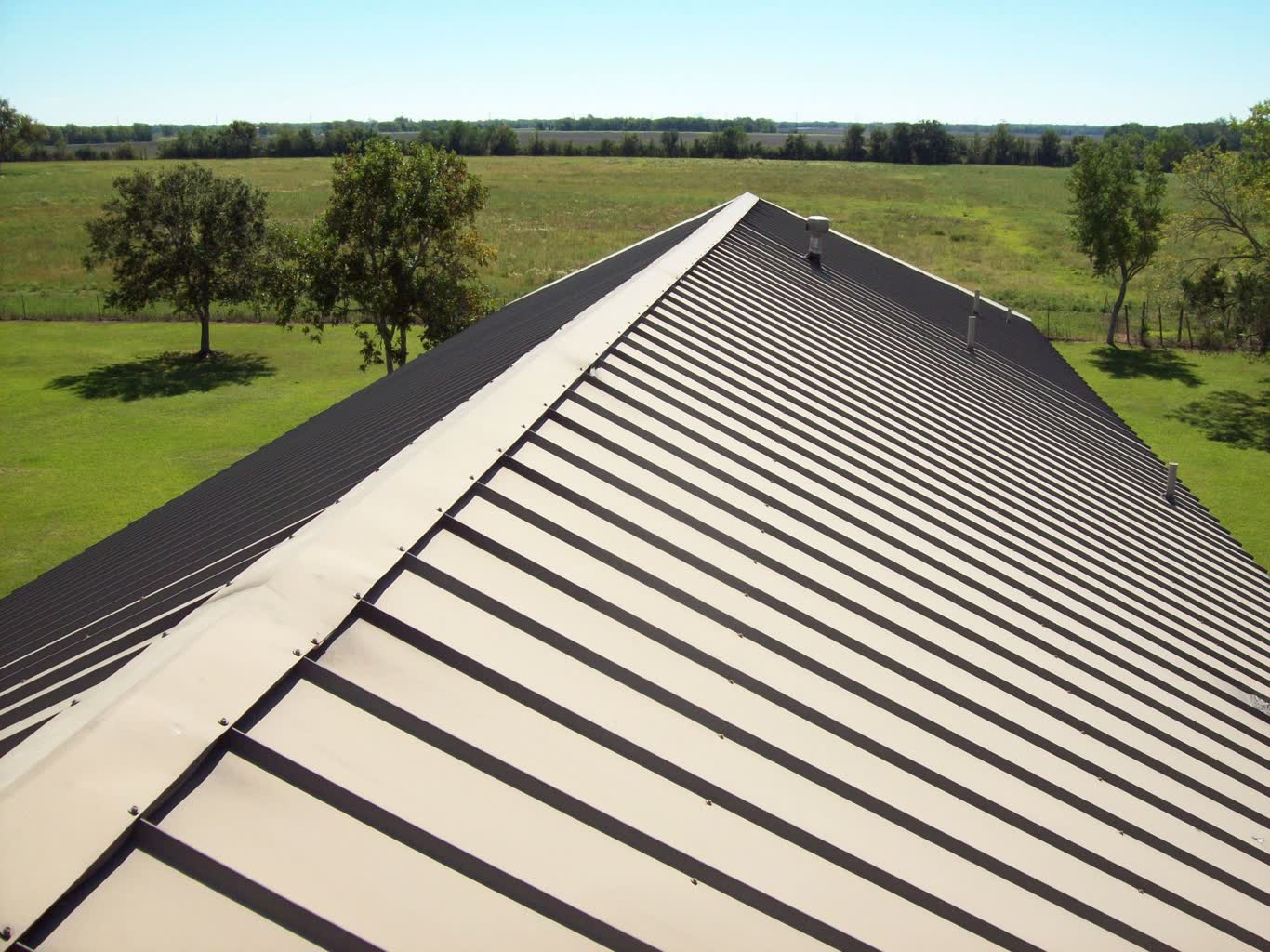
Choosing between a metal roof and a tile roof is one of the bigger decisions a Treasure Coast homeowner can make. Both materials can hold up well in Florida when they are installed correctly. The right choice depends on your home's structure, how you plan to handle repairs and how the roof fits your home's style.
Weight and Structure
Tile roofs are heavy. Concrete and clay tiles add a significant load, so the roof framing has to be able to carry it. Metal panels are much lighter. Before you choose either material, ask your roofer to check whether the existing structure is a good fit. A replacement may need added support. If you are not sure whether your home can carry tile, ask for a structural review before you commit. A roofer or engineer can check the framing and explain which options are realistic for your home. This step can save time and avoid surprises later in the project.
Wind Performance
Florida storms put every roof to the test. Metal roofs use interlocking panels and fasteners that are designed for wind loads. Tile roofs depend on properly fastened tiles and a sound underlayment beneath them. Either material can perform well in wind when the installation is done right.
Ask your roofer how the system is fastened and what wind-resistance details apply to the product you are considering. A clear answer shows that the roofer understands coastal conditions.
Salt Air and Coastal Wear
Treasure Coast homes feel salt air every day. A metal roof needs a good protective finish, and that finish should be checked during inspections. Scratches or worn coatings can invite corrosion over time. Tile is made from clay or concrete, so it does not rust. Tile can still crack, though, and the mortar or sealant around it may need attention.
Ask a professional about safe cleaning and coatings suited to coastal air. Avoid walking on the roof to rinse off salt buildup yourself. Roof work can be dangerous, and a trained crew can check the surface more safely.
Noise in Rain and Heat
Metal roofs can be loud during heavy rain if they are installed over open framing without a solid deck and insulation. Many installers add solid decking and insulation to reduce sound. Tile roofs are often quieter in rain because of their weight and thickness.
Ask about the underlayment and deck details, since those affect comfort as much as the roof surface. Good planning here makes a difference inside the home on a stormy afternoon.
Repairs and Replacement
A single damaged metal panel can often be replaced without redoing the whole roof, though matching the color and profile matters. Tile repairs depend on whether matching tiles are still available. Older tile can be hard to match, so keep any spare pieces that came with your home.
If you want to learn more about how each material handles fixes over time, review our tile roofing information alongside your metal options. After a storm, ask how the roofer documents the damage. Clear photos and notes make the next steps easier to follow. Ask for the repair plan in writing, so you know which parts will be replaced and which will be reused. Dalton Roofing offers 24/7 storm and emergency response when you need help quickly.
Look and Style
Metal roofs come in many colors and profiles, including styles that look like shingles or tile. Tile has a classic look that suits many Spanish-style and Mediterranean homes. Think about the architecture of your home and the feel of your neighborhood. A roofer can show samples in person, which helps more than a photo on a screen. Color also affects how a roof handles heat. Lighter shades reflect more sunlight, while darker shades absorb more heat. Ask your roofer how color choices may affect your home on hot afternoons.
Questions to Ask Before You Choose
Bring these questions to every roofer you meet:
- Can the existing structure handle the weight of the material I am considering?
- How is the roof fastened, and what wind-resistance details apply to this product?
- What coating or finish protects against salt air?
- How will repairs be handled if a panel or tile is damaged?
- Will you provide a written, itemized estimate after the inspection?
Start With a Free Roof Inspection
Dalton Roofing offers a free roof inspection with a written summary and no obligation. The inspection helps you compare your options based on what your roof actually needs. Estimates are written and itemized after the inspection, so you can see each part of the work before you decide.
Dalton Roofing is a family-owned company based in Fort Pierce. We serve St. Lucie, Martin, Palm Beach and Indian River Counties, including Stuart, Jupiter and Vero Beach. English and Spanish are both spoken, so you can ask questions in the language that feels most comfortable.
Ready to compare your options? Call Dalton Roofing at (561) 662-6622 for a free roof inspection. You will get a written summary and an itemized estimate after the inspection, with no obligation. Take your time with the decision. Compare written estimates side by side, and make sure each one lists the same materials and steps.
Frequently Asked Questions
Is a metal roof or a tile roof better on the Treasure Coast?
Neither is better for every home. Metal is lighter and tile is heavier. The right choice depends on your home's structure, wind exposure and how you plan to handle repairs.
Does a metal roof rust near the ocean?
It can if the protective finish wears down or gets scratched. Ask your roofer about coatings suited to coastal air, and have the finish checked during inspections.
Are metal roofs noisy in the rain?
They can be if they are installed over open framing. Solid decking and insulation help reduce sound. Ask about those details before you choose.
Does Dalton Roofing offer a free roof inspection?
Yes. Dalton Roofing offers a free roof inspection with a written summary and no obligation. Call (561) 662-6622 to schedule one.