A roofer can often match color and profile closely, but on an older roof an exact match may not exist. Sun and weather change shingles over time, and styles get discontinued. When no good match is available, the honest question becomes whether a small patch still makes sense or the roof needs a bigger plan.
Dalton Roofing handles this question on roof repair calls across Fort Pierce, Port St. Lucie and the nearby counties. Here is how we think it through, so you know what to expect and what to ask.
Why do shingles fade and change?
Shingles change because they live outdoors. Florida sun, heat, heavy rain and wind slowly wear the surface and shift the color. A shingle that is fifteen years old no longer looks like the same shingle fresh from the bundle.
That is why a new shingle next to old ones can stand out. The old ones have weathered, and the new one has not. Even the same brand and the same color name can look a little different on day one.
Roof pitch and sun exposure matter too. The south and west slopes take the most sun, so they often age faster than shaded slopes. If a repair sits on one of those slopes, the difference may show more.
What does a close match look like?
A close match means the new shingles fit in with the old ones in color, shape and size. Dalton matches replacement shingles as closely as possible to the existing color and profile, so the repair sits flat and blends in.
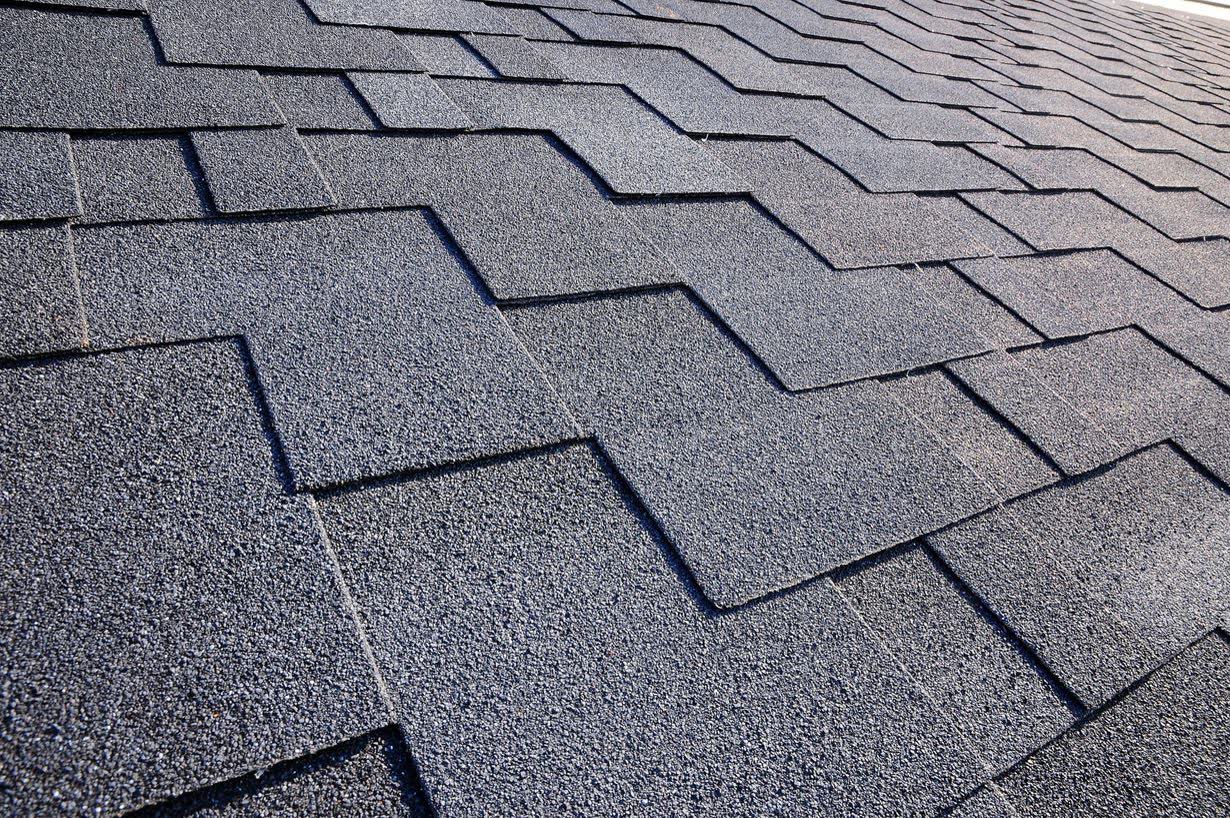
Profile is the shape and thickness of the shingle. Color is the part you see from the street. We check both, because a shingle that is the right color but the wrong profile will not lie flat against its neighbors.
On a newer roof, a close match is usually easy. On an older roof, we look at what is available and what the repair area looks like up close. Then we tell you plainly how well it will blend.
- The new shingles should be the same size and thickness as the old ones.
- The color should sit close enough that the patch does not draw the eye.
- The repair should lie flat and seal down like the rest of the roof.
When is no match available?
No match is available when the manufacturer has stopped making the shingle or changed the color. This happens more often the older the roof is. A discontinued line leaves a roofer choosing the nearest option, not an identical one.
Sometimes a roofer can pull good shingles from a hidden spot, such as a low-visibility area, to use in a visible repair. That is only worth doing when the removed area can be fixed cleanly and nothing else is put at risk.
Ask your roofer what the closest option is and show you the sample. Look at it on the roof in daylight, not only in a showroom. Light changes how color reads, and what looks right indoors can look off outside.
When does a patch stop making sense?
A patch stops making sense when the repair would cost the roof more than it helps it. That can mean widespread wear, brittle shingles that break when lifted, or damage in many places. In those cases, you are paying to fix one spot while the rest keeps failing.
Watch for these signs that a bigger conversation is due:
- Shingles crack or crumble when a roofer lifts them to work.
- Damage shows up on more than one slope.
- Granules wash into gutters and leave bare patches.
- Past repairs keep failing in new spots.
Brittle shingles matter most. A roofer has to lift the shingles around a repair to nail and seal the new one. If the old ones snap, a small job grows fast. A good roofer will tell you that before starting, not after.
This is where the repair-or-replace read comes in. A patch can be the right call for a young roof with one damaged area. For an older roof with wear everywhere, it may only buy a little time. Our page on shingle roofing explains the replacement side if you want to see what that looks like.
What should the roofer tell you?
The roofer should tell you the truth about the match, the condition of the surrounding shingles, and whether a patch or a replacement fits your roof. You should leave the conversation knowing what will be done and why.
Here is what to ask on any visit:
- How close will the new shingles match the old ones, and can I see a sample?
- Are the shingles around the repair strong enough to work on?
- Is the damage in one spot, or does it show up in other places too?
- If this is patched, what should I watch for over the next few seasons?
- When would replacing the roof make more sense?
Dalton gives a free roof inspection with a written summary and no obligation. Estimates are written and itemized after an inspection, so you can see what is being proposed and compare it. We speak English and Spanish (se habla espanol), and we serve St. Lucie, Martin, Palm Beach and Indian River Counties.
Storm damage is a common reason shingles go missing. If wind took some off, we offer 24/7 storm and emergency response. See storm and emergency roof repair for how that works.
Not sure whether your older roof can be patched or needs more? Call Dalton Roofing at (561) 662-6622 to set up a free roof inspection with a written summary and no obligation.
Frequently Asked Questions
Will a new shingle look different from my old ones?
Often a little, yes. Old shingles fade and weather in the sun, while a new one starts fresh. A careful match keeps the difference small, and it usually softens as the new shingle weathers.
Can a roofer use shingles from another part of my roof?
Sometimes. Shingles from a low-visibility spot can be used in a visible repair, but only if that spot can be fixed cleanly. Ask your roofer to explain the trade-off first.
What if the shingles around the damage are brittle?
Brittle shingles can crack when lifted for a repair, which makes a small job bigger. A roofer should check this first and tell you if a patch is a poor fit.
Does Dalton inspect before giving an estimate?
Yes. Dalton offers a free roof inspection with a written summary and no obligation, and estimates are written and itemized after that inspection.