
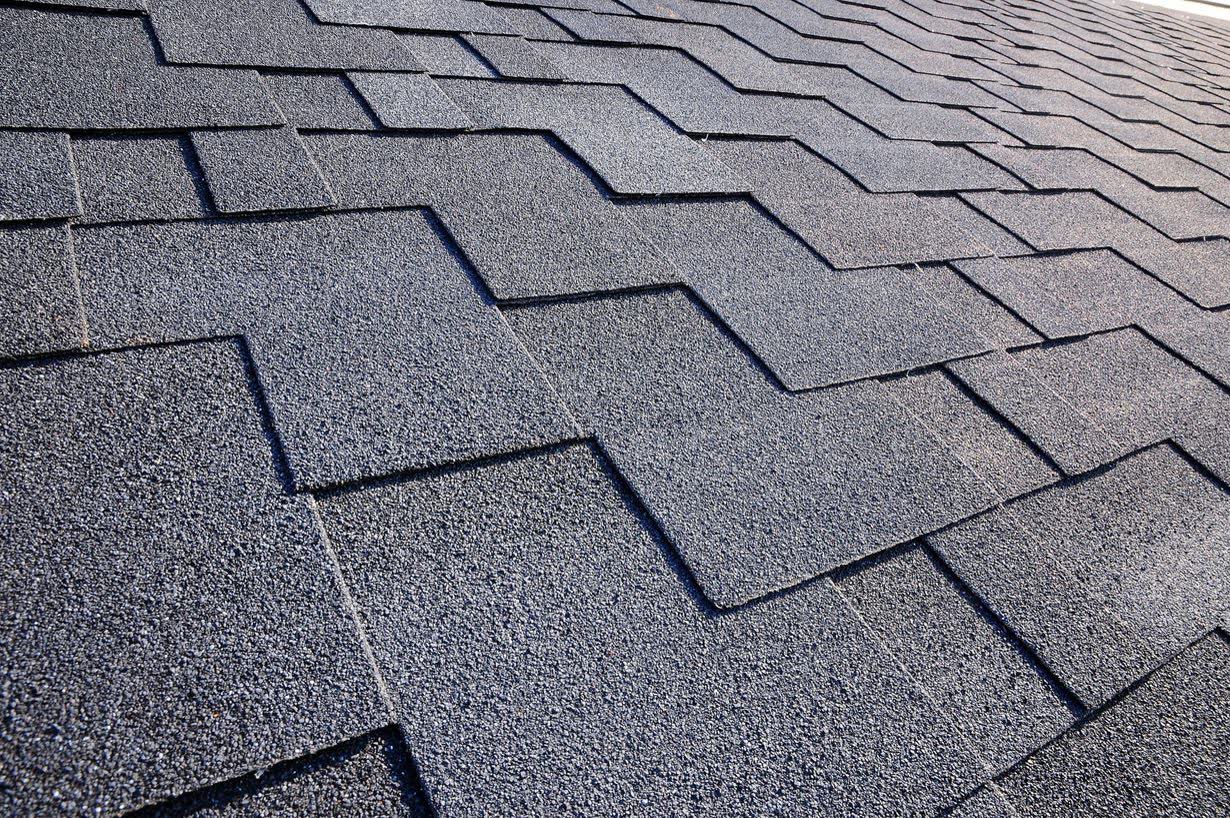
Asphalt shingles have a coating of tiny mineral granules on top. The granules protect the shingle from sun and weather. Finding some granules in the gutters after a storm is common, especially on older roofs. A steady pile of them, or bare dark spots on the shingles, is a sign the roof needs a closer look.
What Shingle Granules Do
Each shingle is made of a base mat coated with asphalt. The asphalt needs protection from ultraviolet light, which breaks it down over time. The granules block that light. They also help shed rain and add a layer of impact resistance. When granules wear away, the asphalt underneath is more exposed. That is why granule loss matters, even when the roof still looks fine from the street.
Why Granules End Up in Gutters
Granules loosen over the life of a shingle. Rain, wind, foot traffic, and temperature swings all move them. They wash off the roof and collect in the gutters, where they often look like coarse sand or dark grit. A few granules in the gutter after a heavy rain can be normal. Look at the amount over time. Is it a light dusting, or a steady build-up that shows up every season?
Granules can also come from a loose or damaged shingle. If you see pieces of shingle in the gutter, not just loose granules, that is a stronger sign of damage.
Normal Loss vs. a Warning Sign
Some loss is part of how a shingle ages. Use these visual clues to tell the difference:
- Light dusting in the gutter. Usually a normal part of aging, especially after rain or wind.
- A thick layer of grit at the downspout outlets. This suggests the loss is steady and worth watching.
- Bare, dark patches on the shingles. The exposed asphalt looks black or shiny. This is a concern.
- Shiny or smooth spots. The top surface has worn thin in places.
- Cracked, curled, or missing shingles. This is damage, not normal wear. Schedule an inspection.
You do not need to climb onto the roof to check these signs. Walk around the home and look at the roof from the ground. Binoculars help. Check the gutters and downspout outlets after a storm, and take photos on a clear day so you can compare later.
Why Sun Exposure Matters
Not every slope wears the same way. The side of the roof that faces the sun most of the day takes the most heat and light. In Port St. Lucie and across the Treasure Coast, that is often the south or west side. Those slopes may lose granules faster, and they may show bare spots first. Check those areas closely, and do not assume the shady side tells the whole story.
Why Age Plays a Role
Age is one of the biggest factors in granule loss. As a roof gets older, the granules have had more years of sun, rain, and wind to work on them. If your roof is older and you see steady loss, it may be near the end of its useful life. Ask your roofer to explain the remaining life in plain language, with photos.
Storms Can Speed Up Wear
Florida storms bring heavy rain, strong wind, and sometimes hail. A storm can knock granules loose all at once. It can also lift shingles and crack the edges. After a storm, check the gutters and the ground below the eaves. If you see a sudden change, schedule an inspection rather than waiting for a leak.
When to Schedule a Roof Inspection
An inspection is worth it when you see bare spots, a thick layer of granules in the gutter, cracked or missing shingles, or any sign of a leak. It is also a good idea after a storm or when your roof is approaching the age where you want to plan ahead. A trained roofer can check the shingles, the flashing, the vents, and the attic side of the roof. They can tell you whether the roof needs repair, more monitoring, or replacement.
Our roof inspection visit is free. You get a written summary of what we found, with photos, and there is no obligation to act on it. That summary helps you compare options and plan the next step on your own schedule.
Repair or Replacement?
Small problems often have simple fixes. Replacing a few damaged shingles or resealing a flashing can extend the life of a roof that is still in good shape. When granule loss is widespread, or the roof is near the end of its life, replacement may be the better choice. A good roofer will explain both options and show you the evidence. Ask why they recommend one path over the other.
If your roof is asphalt shingle and you want a closer look at the materials, our shingle roofing team can walk you through the options for your home. We explain each choice in plain terms, and we put every estimate in writing and itemized after the inspection.
Questions to Ask Your Roofer
Use these questions to keep the conversation clear:
- Which slopes show the most granule loss, and why?
- Are the bare spots limited, or is the loss across the whole roof?
- Do you see signs of leaks in the attic or on the decking?
- Can you show me photos of each problem area?
- What repair options do you recommend, and what would replacement involve?
A clear, honest answer to each question is a good sign. If the answers are vague, ask for more detail before any work starts.
Serving Port St. Lucie and the Treasure Coast
Dalton Roofing Inc is a family-owned company based in Fort Pierce. We serve St. Lucie, Martin, Palm Beach and Indian River Counties. We work with homeowners in Port St. Lucie, Stuart, Jupiter, Vero Beach, and many other nearby communities. We speak English and Spanish, and we offer 24/7 storm and emergency response when a storm leaves your roof open to the weather.
Monthly payment plans are also available, so you can plan a repair or replacement without a large upfront payment.
Next Steps
Granules in the gutter are a clue, not a diagnosis. Look at the pattern, check the sun-facing slopes, and note any bare or shiny spots. If you are not sure what you are seeing, a roof inspection can answer the question. To book your free roof inspection with a written summary, call Dalton Roofing Inc at (561) 662-6622 and our team will schedule a visit that fits your day.
Frequently Asked Questions
Is it normal to find granules in my gutters?
Some granule loss is a normal part of aging, especially after rain or wind. Watch for a steady build-up, bare dark spots, or pieces of shingle, because those signs deserve an inspection.
What do bare spots on shingles mean?
Bare spots show the asphalt underneath is exposed to sun. They are a concern and worth having a roofer check soon.
Is the roof inspection free?
Yes. Dalton Roofing offers a free roof inspection with a written summary and no obligation.
Should I replace my roof if it is losing granules?
Not always. Small problems can often be repaired. Widespread loss on an older roof may point to replacement, so ask your roofer to explain both options.