
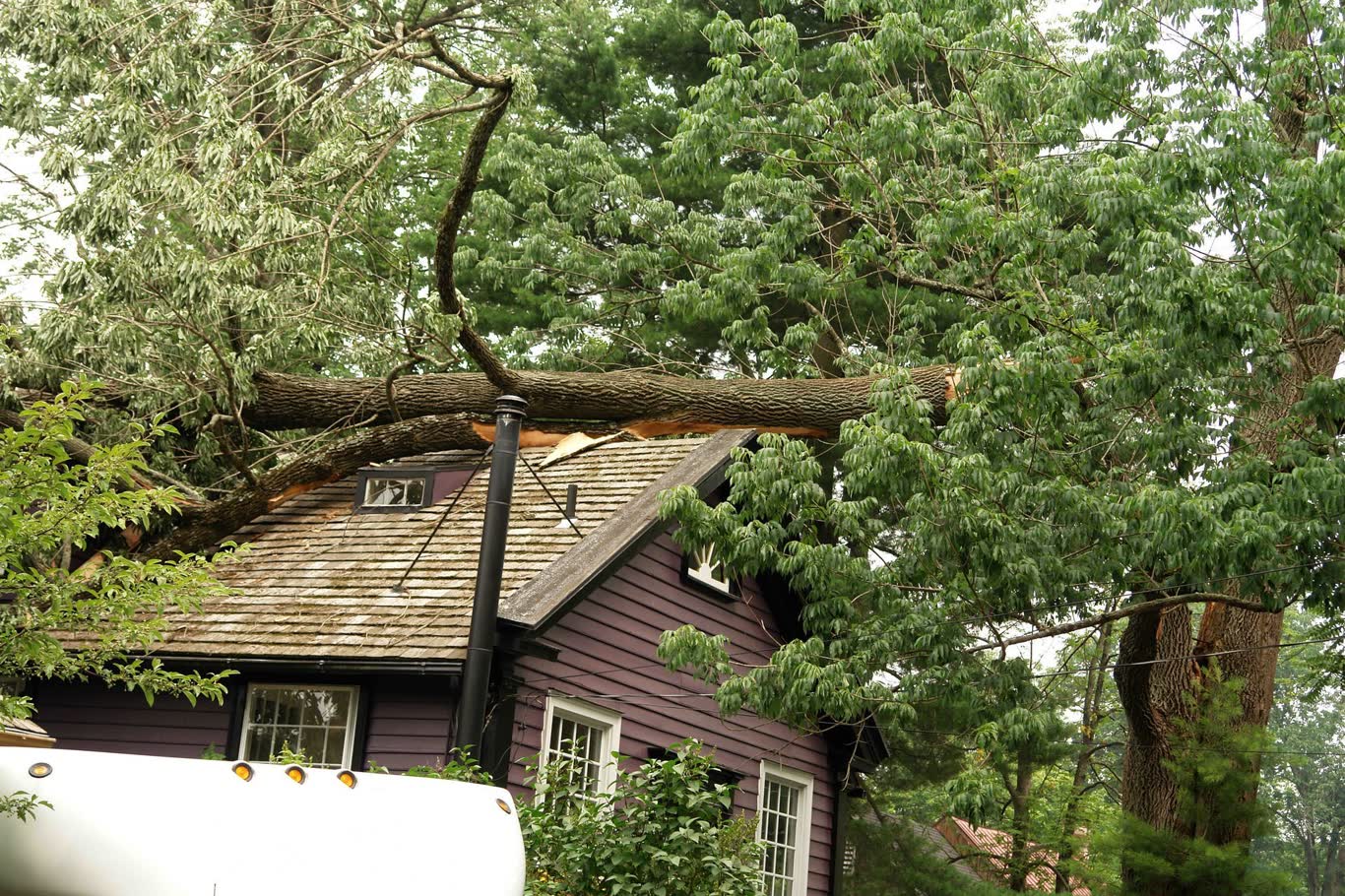
An emergency roof tarp is a short-term cover. It keeps rain out while you wait for a permanent fix. It does not repair the roof, and it should not stay on for months. Knowing what a tarp can and cannot do helps you protect your home after a storm in Boynton Beach.
What a Tarp Does
After a windstorm or a heavy rain, a missing shingle or a cracked tile can let water into the roof deck, attic, and ceilings. A tarp covers the damaged area so water stops coming in while the rest of the job gets scheduled. It buys time and limits interior damage.
A tarp also keeps wind from pulling more material loose. Loose shingles, flashing, and tiles can blow off during the next storm. Covering the area reduces the chance of a bigger problem, especially if more rain is in the forecast.
What a Tarp Does Not Do
A tarp is not a repair. It does not replace missing shingles, fix a damaged deck, or seal a leaking flashing. It also cannot stop water that is already inside walls or ceilings. Once the tarp is in place, the roof still needs an inspection and a permanent fix.
Do not treat a tarp as a long-term plan. Sun, wind, and time wear tarps down. Edges can lift, and water can pool on the cover. The longer a tarp stays on, the more risk it adds to the roof and the home below.
How a Tarp Should Be Secured
A good tarp is secured with battens or strapping, not just nails or staples through the cover. Fasteners that go through the tarp can tear the material and let water in. The cover should extend past the damaged area, and the edges should lie flat so water runs off instead of pooling.
Ask whoever installs the tarp how they will anchor it. Good installers avoid damaging sound shingles or tiles and keep the work contained to the affected area. They also check that the tarp will hold in strong wind.
Safety Comes First
Roofs become dangerous after a storm. Wet surfaces, loose debris, broken tiles, and unstable decking can cause serious falls. Do not climb onto a damaged roof to cover it yourself. Stay off the roof during or right after a storm, and keep children and pets away from the work area.
If water is dripping near electrical fixtures or outlets, shut off power to that area at the breaker if it is safe to do so. Then call for help. Your focus should be keeping people safe and limiting water damage inside.
Document the Damage Before You Cover It
Before the tarp goes on, take clear photos of the damage from the ground and from inside the home. Photograph the ceilings, walls, and any wet insulation or belongings. Take wide shots that show the whole area and close-ups of cracks, missing material, or stains.
Save any notes about when the storm hit and when you noticed the leak. Call your insurance company when you are ready, and ask what documentation they need. Your insurer decides what it covers, so keep your records organized and share them as requested.
When to Book the Permanent Fix
Book the permanent repair soon after the tarp goes on. A tarp is a bridge, not a finish line. Once the storm damage is clear, a roofer can decide whether the area needs a patch, partial replacement, or a full roof replacement.
A proper inspection looks beyond the obvious damage. The roofer checks the underlayment, flashing, nail heads, and the decking under the damaged area. This helps catch hidden problems before they lead to more leaks. You can read more about our full range of roof repair services and how we handle common issues.
Getting Help for Storm Damage in Boynton Beach
Dalton Roofing Inc is a family-owned company based in Fort Pierce. We serve St. Lucie, Martin, Palm Beach, and Indian River Counties, including Boynton Beach, Lake Worth, and Palm Beach Gardens. We offer 24/7 storm and emergency response for residential and commercial roofs.
Our crews handle shingle, tile, metal, and flat roofs. We can speak with you in English or Spanish. If you need urgent help after a storm, our storm and emergency roof repair team can secure the area and schedule the next steps.
What to Ask Before Any Work Starts
Ask the roofer to explain what they see, what they will do, and what happens next. Ask how the tarp will be secured, how long it may stay in place, and when the permanent repair can begin. A clear answer to each question helps you plan and avoid surprises.
Ask for a written summary after the inspection. A good summary lists the damage, the recommended work, and the reasons behind each step. Estimates should also be written and itemized, so you can compare the work line by line.
Next Steps
Start by checking the inside of your home for water stains, drips, and sagging ceilings. Move belongings away from wet areas and place buckets under active leaks. Then take photos and call for help. The sooner the tarp goes on, the less water can reach your home.
Call Dalton Roofing at (561) 662-6622 for a free roof inspection. You will receive a written summary with no obligation. Any estimate is written and itemized after the inspection, so you know exactly what the work includes.
Frequently Asked Questions
Is a roof tarp a permanent repair?
No. A tarp is a short-term cover that keeps rain out while you schedule a permanent repair. It should be replaced by a proper roof fix soon after it goes on.
How should an emergency tarp be secured?
A tarp should be held with battens or strapping rather than nails or staples through the cover. Its edges should lie flat so water runs off instead of pooling.
What should I do before the tarp goes on?
Take clear photos of the damage from outside and inside the home. Save notes about when the storm hit and when you noticed the leak, then share them with your insurer as requested.
Can I put a tarp on my roof myself?
It is not safe to climb onto a damaged roof after a storm. Stay off the roof and call a roofing company that offers emergency response.