
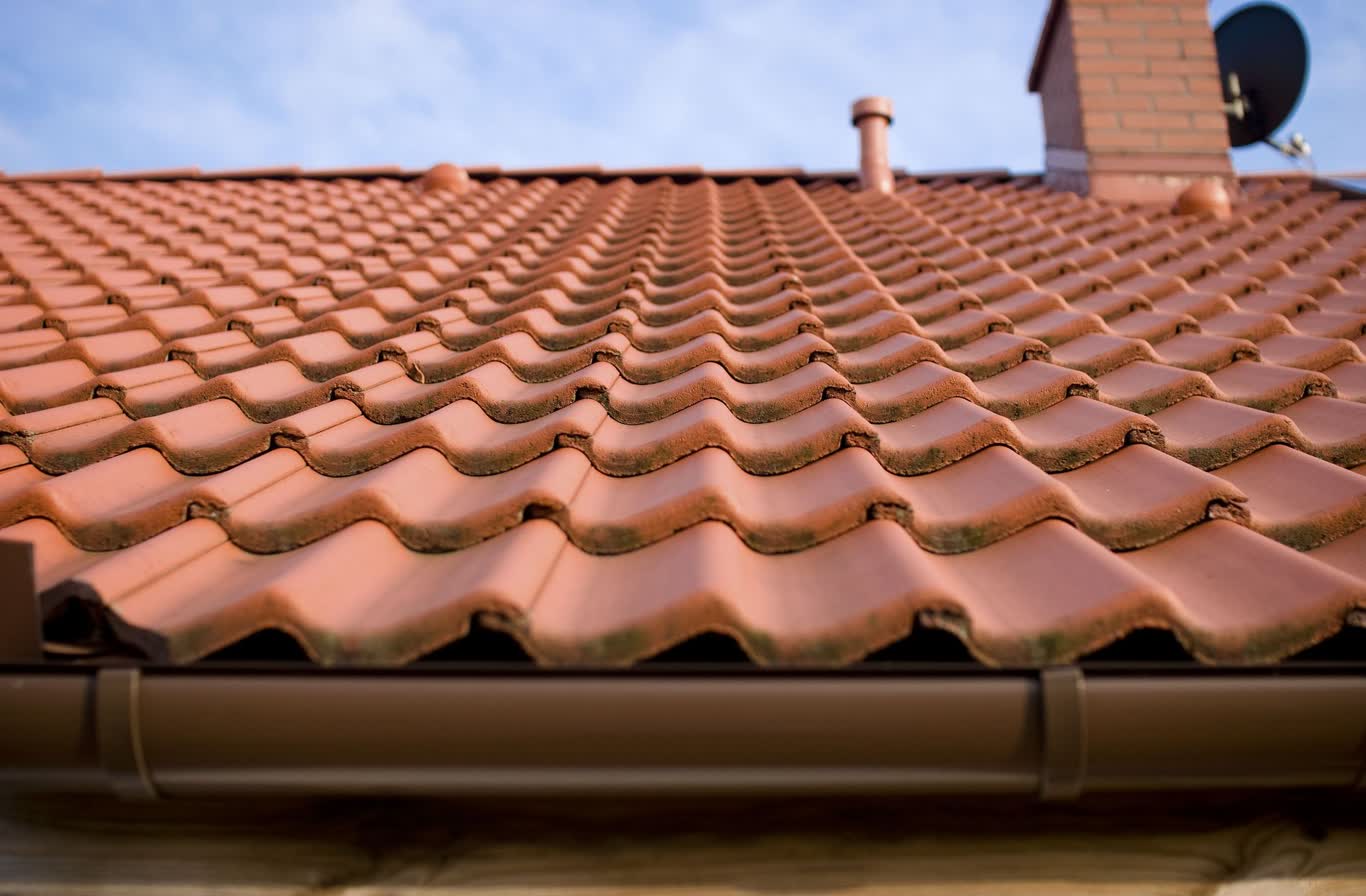
Cracked or slipped roof tiles are a common problem on Vero Beach homes. Wind, foot traffic, and age can all break a tile or push it out of line. A small repair is often possible, but the cause matters, so a careful inspection helps you choose the right fix.
Why Tile Roofs Crack or Slip
Clay and concrete tiles are strong, but they can still break. Strong wind can lift and shift tiles, especially near the edges and ridges. Heavy branches, hail, and flying debris can crack a tile in one hit. Over time, the nails or clips that hold tiles in place can wear down, and a tile can slide out of its row.
Foot traffic is another common cause. Someone walking across tile can crack it or push it out of line, even when they are careful. This is one reason you should leave roof walking to a professional. A repair crew knows where to step and how to avoid causing new damage.
Signs You Have a Tile Problem
You can spot many warning signs from the ground and from inside the home. Tiles that look crooked or uneven may have slipped. Chips and cracks often show up as broken edges or missing pieces. Inside, watch for water stains on ceilings or walls after a rain. Water that appears after a storm can point to a damaged tile or to a problem in the layer beneath it.
- Tiles that look uneven or sit out of line with the rows
- Cracked, chipped, or missing tiles, especially near ridges and edges
- Broken pieces of tile in gutters, on the ground, or on patios
- Water stains or damp spots on ceilings after rain
Repair or Replace the Tiles?
Many cracked or slipped tiles can be repaired. A roofer can remove the broken pieces, set new tiles, and secure them again. If only a few tiles are affected, a repair is usually the simplest fix. If the damage is spread across large sections, the roof may need more work than a patch.
Matching the tile matters too. Older tiles may have faded or changed shape over time. A roofer can check the profile and color before ordering replacements. Ask the company how they plan to match the existing tile so the repair blends in.
Repairs make the most sense when the rest of the roof is sound. If many tiles are slipping or the underlayment is failing across the roof, a broader plan may be the better choice. A roofer can walk you through both options so you can decide with clear information.
Look Under the Tile
The tiles are only part of the roof system. Beneath them, a layer of underlayment helps keep water out. If that layer is worn or torn, water can get in even when the tiles look fine. This is one reason a quick tile fix sometimes does not stop a leak inside the home.
A thorough inspection checks the underlayment, the flashing around vents and chimneys, and the nails or clips that hold the tiles. Ask the roofer to show you the problem areas and explain what they found. You should understand the cause before you agree to any repair.
Timing also matters. A small crack that sits for months can grow as the tile expands and contracts in heat and humidity. Water can then find its way into gaps around the damaged piece. Acting early usually means a smaller job than waiting until nearby tiles begin to fail. Keep a simple note of when you first noticed each sign, and share it with the roofer.
Why Storm Damage Needs Quick Attention
Florida storms can lift tiles, crack them, and expose the roof to rain in a short time. After a storm, walk the ground around your home and look for broken pieces. Take photos of any damage before cleanup starts. Early attention can keep a small problem from turning into a leak that reaches the rooms below.
If storm damage is serious, you may need emergency help before the next rain. Many roofers offer 24/7 storm and emergency response, so ask about that when you call. A fast temporary fix can protect the home while you plan the full repair.
What to Ask Your Roofer
Good questions help you find a company you can trust. Ask the questions below before you sign anything.
- Will you inspect the underlayment and flashing, not just the tiles?
- How will you match the existing tile color and shape?
- Will the estimate list each repair in writing?
- Who will check the work when it is finished?
Written, itemized estimates make it easier to compare options. A good company explains each step in plain language and answers your questions without pressure.
Get Help From a Local Roofer
Dalton Roofing Inc is a family-owned company based in Fort Pierce. We serve St. Lucie, Martin, Palm Beach, and Indian River Counties, including Vero Beach. We handle shingle, tile, metal, and flat roofs. We speak English and Spanish. You can learn more about our tile roofing services on our website, and our guide to tile roof repair in valleys covers more detail on common problem areas.
Ready to check your tile roof? Call Dalton Roofing Inc at (561) 662-6622 for a free roof inspection. You will get a written summary with no obligation, and any estimate is written and itemized after the inspection.
Frequently Asked Questions
Can a cracked roof tile be repaired without replacing the whole roof?
In many cases, yes. A roofer can replace the broken tiles and secure the nearby ones. A full replacement is usually only needed when damage covers large sections of the roof.
Why did my roof tile slip out of place?
Wind, foot traffic, and worn nails or clips are common causes. Once a tile moves, it can slide out of its row. A roofer can check why it moved and secure the tiles around it.
Is it safe to walk on a tile roof to look for damage?
It is best to leave roof walking to a professional. Tile can crack under weight, and a crack you cannot see can cause a leak later. Look from the ground first, then call for an inspection.
How do I know if the underlayment is damaged?
You often cannot tell from the ground. A roofer can check the underlayment during an inspection. Signs of a leak, such as water stains after rain, are a good reason to ask.