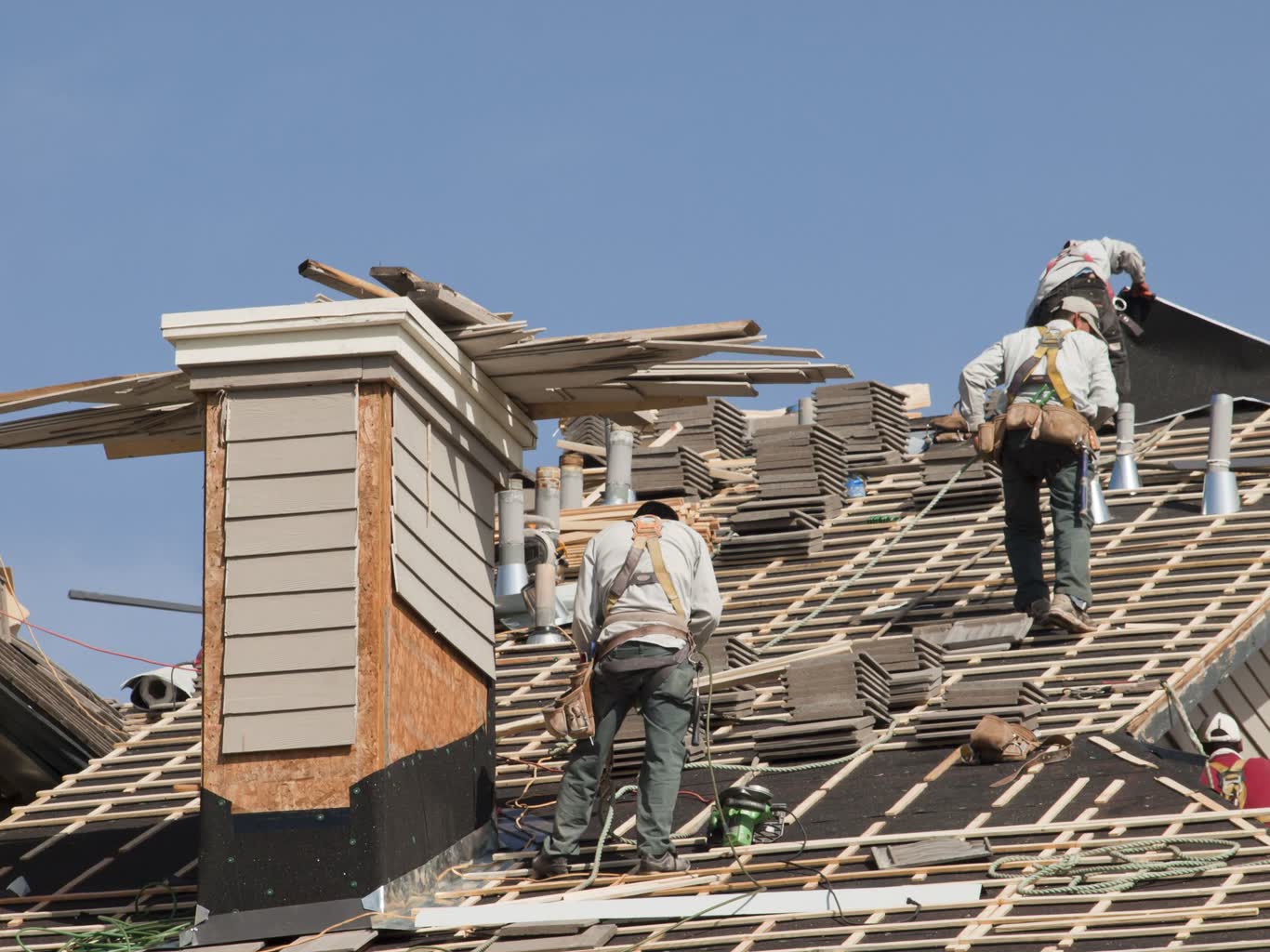
No. A metal roof needs a sound deck under it, and Dalton checks the deck first. Dalton Roofing will not recommend metal over a failing substrate. If the deck is soft, rotted or loose, it gets repaired or replaced before any metal panels go on.
Why does the deck matter for a metal roof?
The deck is what the roof is fastened to. Metal panels hold on through the screws or clips that go into the deck, so a weak deck means weak hold.
Florida roofs deal with heat, heavy rain and wind. A metal roof is a good fit for many homes, and you can read more on our metal roofing page. But metal over a failing substrate is a poor plan. Panels can flex, fasteners can back out, and a hidden problem under the metal is hard to see and harder to fix later.
Dalton is a family-owned company based in Fort Pierce. Our first step on a metal job is to check deck condition, pitch and penetration layout. The deck comes first because everything else depends on it.
How is deck condition checked?
We look at the deck from the attic side and from the roof surface. The goal is to find soft spots, stains, sagging and loose boards before anyone talks about panels.
- Walk the roof. Soft or bouncy areas under foot often point to a damaged deck.
- Check the attic. Dark stains, daylight, damp wood or sagging between rafters are warning signs.
- Look around leaks. Old leak areas around vents, chimneys and valleys often hide the worst damage.
- Check the edges. Eaves and rakes can rot where water sits.
- Review pitch and penetrations. The slope and the layout of vents and pipes affect how the metal is planned.
The roof inspection is free, comes with a written summary and carries no obligation. You can learn more about our roof inspection.
When is a tear-off needed instead of an overlay?
A tear-off is needed when the deck is damaged or when the old layer hides problems you cannot judge. An overlay may make sense only when the deck is sound. We take the roof one step at a time and decide after we see what is there.
If you are unsure which path fits your home, our guide on tear-off vs roofing over in Florida explains how the two compare. The deck check is what settles the question for your roof.
Here is a simple way to think about it.
- Sound deck, no hidden moisture: an overlay may be worth discussing.
- Soft spots or stained boards: the bad sections need to be fixed before metal goes on.
- Widespread damage: a full tear-off lets the crew see and repair the whole deck.
What happens if the deck is soft?
If the deck is soft, the damaged sections are repaired or replaced before the new roof goes on. Soft decking does not get better under metal. It gets worse, and it can stay hidden for years.
A common cause is a slow leak around a vent, a valley or a flashing detail. The water gets in, the wood stays damp, and the board loses strength. On a homeowner walk-through, we point out these areas so you can see what we see.
If you have a leak right now, our team also handles roof repair and 24/7 storm and emergency response. We serve homes and businesses in Port St. Lucie, Fort Pierce, Stuart, Vero Beach and across St. Lucie, Martin, Palm Beach and Indian River Counties.
What should the estimate say about deck repair?
The estimate should say how the deck was checked and what happens if it needs work. Ours are written and itemized after an inspection, so you can see what is included.
When you review any metal roof estimate, look for these points.
- Does it mention the deck and how it was checked?
- Does it say what happens if soft areas are found?
- Does it describe the pitch and the penetrations?
- Is the scope written out clearly, not just a single line?
If a contractor will put metal on without talking about the deck, ask why. A good answer names what they checked and what they found.
How do pitch and penetrations affect the plan?
Pitch and penetrations shape how the metal is laid out, and they are checked at the same visit as the deck. A steeper or lower slope changes how water leaves the roof. Every vent, pipe and skylight is a spot where water can get in if the detail is wrong.
That is why the layout of penetrations is part of our first step. Marking them early means the panels, flashing and trim can be planned around them. It also shows us which areas of the deck are most likely to have been wet before, since leaks tend to start at those spots.
You do not need to know any of this ahead of time. Bring your questions, and we will walk through what we find on your roof in plain words.
What if the roof looks fine from the ground?
A roof that looks fine from the ground can still have a weak deck. Damage often sits under the surface, where only an inspection will find it. That is why we start with the deck and not with the panels.
Homeowners across the Treasure Coast ask us about metal because of the climate. It is a fair question. The answer starts with what is under the roof, not what is on top of it.
Want a clear answer for your home? Call Dalton Roofing at (561) 662-6622 to book a free roof inspection with a written summary. Se habla espanol.
Frequently Asked Questions
Will Dalton install metal if the deck is bad?
No. Dalton will not recommend metal over a failing substrate. The weak sections are repaired or replaced first, then the metal roof can be planned on a sound deck.
Does the roof inspection cost anything?
The roof inspection is free, comes with a written summary and has no obligation. You can book it by calling (561) 662-6622, and we speak English and Spanish.
Can I see the deck problems myself?
Often yes. Look in the attic for dark stains, damp wood or sagging. On the roof, soft or bouncy spots are a warning. Point them out during the inspection so we can check them closely.
Is an overlay ever okay under metal?
It can be, but only when the deck is sound. The decision comes after the inspection, not before it. A tear-off is the safer choice when damage is likely or the old layer hides problems.