
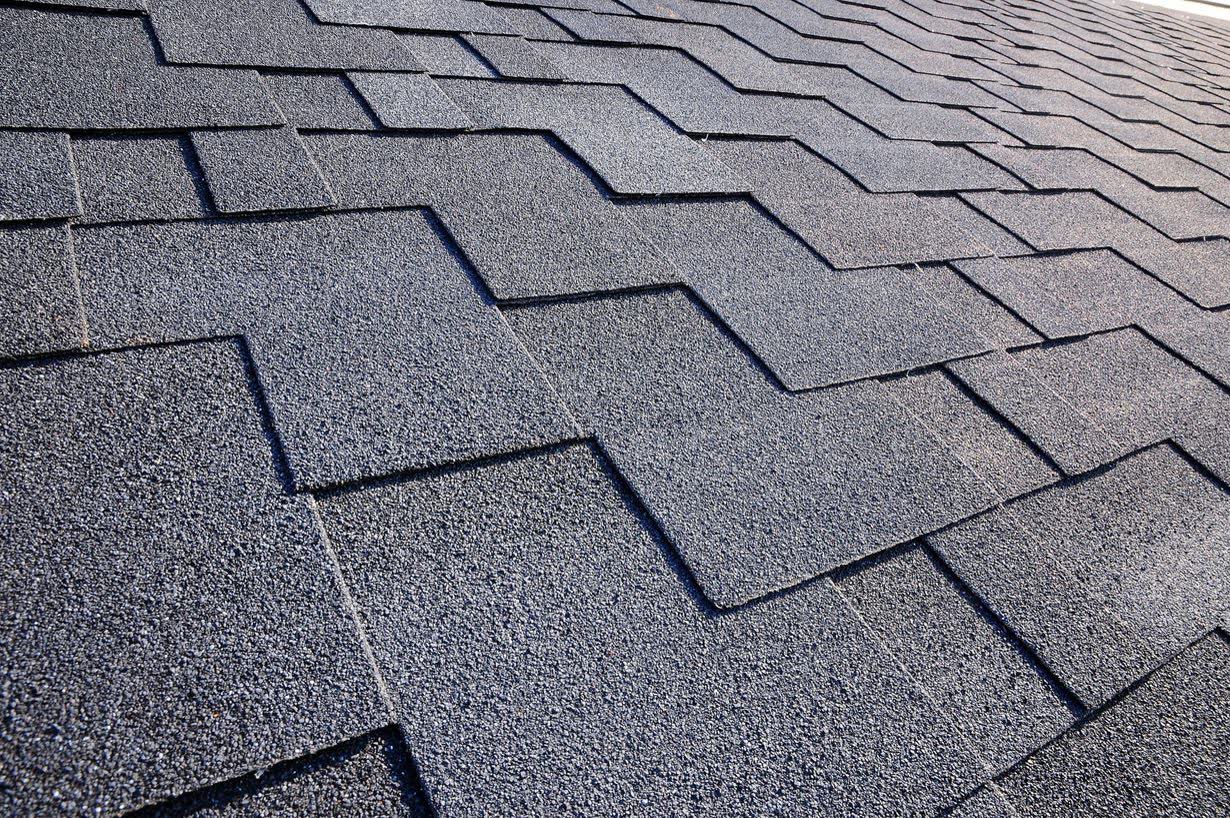
Black streaks on a shingle roof are usually algae growing on the surface, not structural damage. Many streaks are mostly cosmetic. Still, streaks can point to moisture problems or an aging roof, so it pays to look more closely. This guide explains how to tell the difference.
What Causes the Black Streaks?
Those dark lines usually come from algae. A type of algae can grow on asphalt shingles, especially on the shaded side of a roof. It feeds on the limestone in the shingle surface and spreads in lines down the slope. Humidity, shade, and salt air make the problem more common along the Treasure Coast. Wind can carry spores from nearby trees onto the roof, so overhanging branches can play a role.
When Streaks Are Mostly Cosmetic
If the streaks are thin, spread across the roof, and the shingles feel solid, the problem is often only on the surface. The roof may still work well for years. Look for these signs that the roof is only stained:
- Dark streaks that run down the slope in a pattern
- Shingles that lie flat and feel firm
- No stains on ceilings or walls below
- No large piles of grit in the gutters
Cosmetic streaks still bother many homeowners. Ask a roofer which cleaning methods are safe for your shingle type before you try anything on your own.
When Streaks May Point to a Bigger Problem
Streaks can be a warning sign when they appear with other changes. Pay attention if you notice any of these:
- Shingles that curl, cup, or crack at the edges
- Bald or worn spots where the protective granules are gone
- Dark streaks in one small area while the rest of the roof looks clean
- Stains on ceilings, around vents, or along walls
- Soft spots you can feel when you walk the roof, if it is safe to do so
Moisture under the surface can rot decking and lead to leaks. An aging roof can also show streaks as it wears down. Either way, a closer look is worth the time.
Why Granules in the Gutters Matter
Shingles hold granules that shield the asphalt from the sun. When granules wash into gutters in large amounts, the shingles may be wearing thin. Check the gutters and downspouts after heavy rain. A little grit can be normal on a newer roof, but a steady buildup is worth reporting.
Check the Roof Safely From the Ground
You do not need to climb the roof to get useful clues. Walk the edge of your property and look at which side of the roof has the streaks. Note whether the streaks cover the whole roof or sit in one area. Take clear photos from several angles and write down the dates. Those photos help a roofer compare changes over time.
Avoid walking on the roof when it is wet, steep, or fragile. Falls cause serious injuries, and careless steps can damage shingles.
What a Roof Inspection Covers
A proper inspection looks beyond the stains. A roofer checks shingle condition, the flashing around chimneys and vents, valleys, gutters, and the attic underside for signs of leaks. Ask the inspector to explain what they see and where any moisture is coming from. A good inspection ends with a written summary you can keep for your records. Keep that summary with your home papers. It helps with future maintenance and gives you a clear starting point the next time someone looks at the roof. Timing matters too. Schedule an inspection soon after you notice changes, so small problems stay small. Waiting through a rainy season can let moisture work into the roof deck, where repairs cost more.
Questions to Ask Before You Decide
Bring these questions to any roofer you are considering:
- Is the dark staining surface algae, or is it something else?
- Is there moisture in the attic or the decking?
- How old is the roof, and what type of shingles are installed?
- Which cleaning method is safe for this shingle type?
- Will you give me a written, itemized estimate after the inspection?
Estimates are written and itemized after an inspection. That means you can compare each repair and see the reasons behind it.
Cleaning Versus Replacing
Some streaks can be treated with a gentle cleaning done by a qualified roofing contractor. High-pressure washing can strip granules and shorten the life of shingles, so avoid it. If the roof is near the end of its life or has active leaks, replacement may make more sense than cleaning. Let the inspection guide the choice, not the stain alone.
Serving Treasure Coast and Palm Beach Homeowners
Dalton Roofing Inc is a family-owned company based in Fort Pierce. Our service area includes St. Lucie, Martin, Palm Beach, and Indian River Counties, including Fort Pierce, Stuart, and Wellington. We speak English and Spanish. We handle shingle, tile, metal, and flat roofs. Homeowners who want a clear answer can start with a roof inspection, and those who need new work can review our shingle roofing services.
Not sure what those streaks mean? Dalton Roofing offers a free roof inspection with a written summary and no obligation. Call (561) 662-6622 to schedule yours today. Se habla espanol.
Frequently Asked Questions
Are black streaks on a shingle roof dangerous?
Usually not. Most streaks are algae on the surface. They can still point to moisture or an aging roof, so have a roofer check the attic and the shingle condition.
Does algae shorten the life of a shingle roof?
It can wear the surface over time, but the bigger concern is any moisture that gets under the shingles. An inspection shows whether the streaks are only cosmetic.
Should I pressure wash my roof to remove the streaks?
No. High-pressure washing can strip protective granules and shorten the life of shingles. Ask a roofer which gentle cleaning method is safe for your roof.
What does a free roof inspection include?
Dalton Roofing offers a free roof inspection with a written summary and no obligation. It covers shingle condition, flashing, gutters, and signs of leaks.