
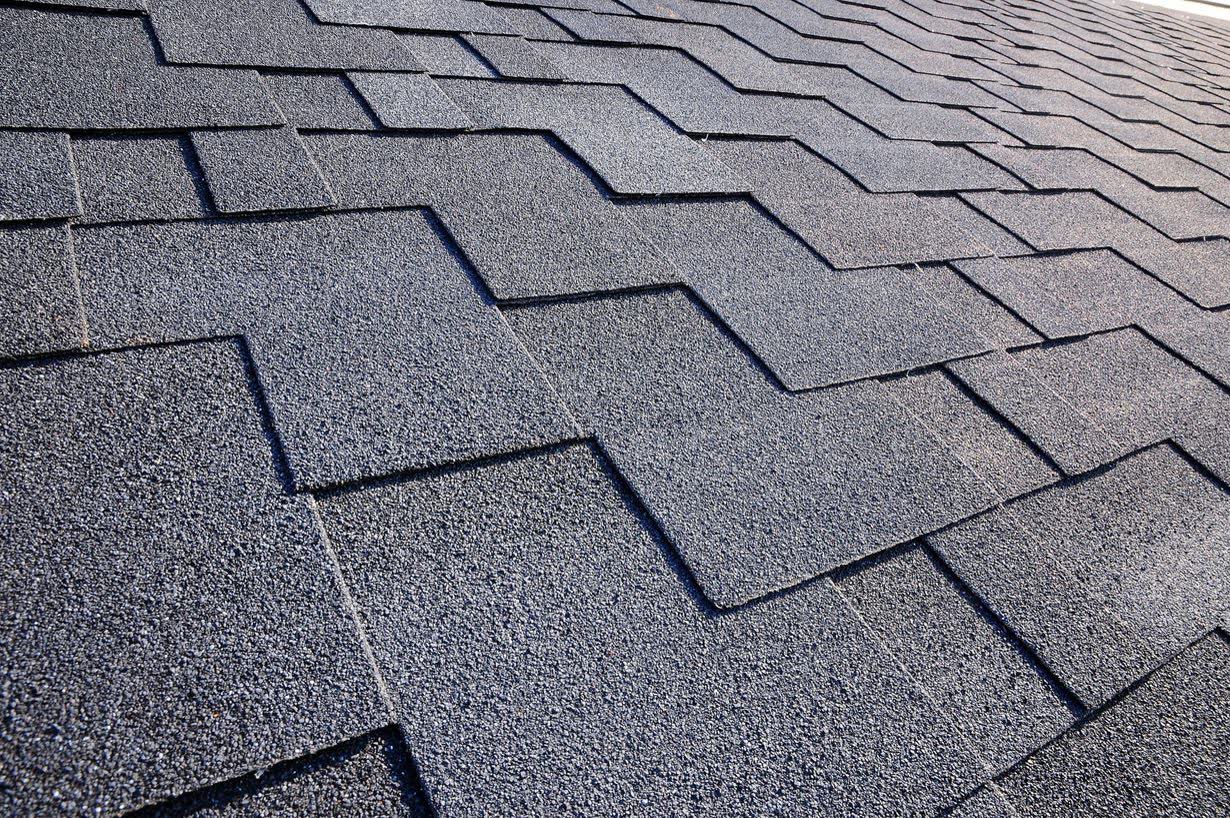
3-tab shingles are the single-layer entry grade, while architectural shingles are multi-layer with a textured look and better wind ratings. For most Florida homes, architectural shingles are the stronger match, but you should ask to see both as samples before deciding. Dalton Roofing in Fort Pierce walks homeowners through shingle roofing choices in person.
What is a 3-tab shingle, and what is an architectural one?
A 3-tab shingle is a flat, single-layer asphalt shingle cut into three equal tabs. An architectural shingle, also called a dimensional shingle, is built from more than one layer and has a thicker, uneven profile.
Both are asphalt shingles, so they share the same basic job: shed water and protect the roof deck. The differences come from how much material is in each shingle and how it is shaped. 3-tab is the entry grade. Architectural is the step up that most roofers now install by default.
Dalton handles shingle, tile, metal and flat roofs, so we can tell you when shingles are the right fit and when another material makes more sense for your home.
How do they look and feel different on the roof?
A 3-tab roof looks flat and uniform, with the same repeating pattern across the slope. An architectural roof looks deeper and more varied, because the layers cast small shadows that give the surface a textured, almost sculpted look.
You can usually feel the difference in a sample. The architectural shingle is heavier and thicker in your hand. The 3-tab shingle is thinner and bends easily.
Here is a quick side-by-side of what most homeowners notice first:
- Build: 3-tab is a single layer. Architectural is layered.
- Profile: 3-tab is flat and even. Architectural has depth and texture.
- Weight in hand: 3-tab is lighter. Architectural is heavier.
- Color range: architectural lines often offer more blends and color choices.
Looks matter in neighborhoods with HOA rules or a strong street style. If you live in Port St. Lucie, Stuart or Jupiter, check your community guidelines before you pick a color.
Which holds up better to Florida wind and heat?
Architectural shingles generally hold up better in Florida wind, because the extra layer adds weight and gives the shingle more material to stay sealed and in place. Neither type is storm-proof, and both depend on correct installation.
Heat and sun are hard on any asphalt shingle. Long summers can dry the surface and loosen the granules that protect it. A thicker shingle has more material to wear through before it fails, which is one reason many homeowners choose it for a long-term roof.
Wind is the bigger question on the Treasure Coast and in Palm Beach County. Ask the product's wind rating from the manufacturer's information, and ask how the shingles will be fastened. A good shingle that is nailed poorly can still lift in a storm.
If you are not sure how your current roof is doing, a roof inspection will show whether the problem is the shingle type, the age or something else, such as flashing or the deck. Dalton offers a free roof inspection with a written summary and no obligation.
What samples should you ask to see?
Ask to see one 3-tab sample and at least one architectural sample, in the colors you are considering. Seeing both side by side makes the difference clear faster than any description.
Dalton walks you through shingle grades, profiles, and colors, with samples available, before writing the estimate. That is the time to ask questions and compare, not after the work has started.
Use this checklist when you look at the samples:
- Hold both shingles and compare thickness and weight
- Look at them outdoors in daylight, not only under indoor lights
- Ask which product line each sample belongs to
- Ask how each one handles Florida wind and sun
- Compare the colors against your siding, trim and driveway
- Ask what the roof deck and underlayment will need
A sample held in your hand tells you more than a picture on a screen. Colors shift with light, so step outside and look at them near your house.
How should the estimate list the shingle grade?
The estimate should name the shingle line, the grade and the color, so you can see exactly what you are paying for. At Dalton, estimates are written and itemized after an inspection.
A vague line such as asphalt shingles leaves room for a cheaper substitute later. A clear line names the product, so you can compare one estimate against another and check what arrives on the roof.
When you compare written estimates, look for these items:
- The shingle brand, line and grade
- The color you chose
- The underlayment and flashing included
- What happens to the old roofing material
- How the work is scheduled
If two estimates differ, check the shingle grade first. The difference is often in the product, not in the work. You can also review our roof replacement page to see how a full job is laid out, or the financing page if monthly payment plans would help.
To choose between 3-tab and architectural shingles for your home in Fort Pierce, Port St. Lucie, Stuart or anywhere in St. Lucie, Martin, Palm Beach or Indian River County, call Dalton Roofing at (561) 662-6622 for a free roof inspection. Se habla espanol.
Frequently Asked Questions
Are architectural shingles worth it in Florida?
For many homes, yes. The layered build adds weight and a more varied look, and it generally handles wind better than a 3-tab shingle. A sample and a written estimate help you decide for your roof.
Do 3-tab shingles still make sense?
They can for a tight budget or a short-term plan, since they are the entry grade. Ask to compare them with an architectural sample so you can see what you give up before you choose.
Can I mix shingle types on one roof?
It is not a good idea. Different shingles can look uneven and wear at different rates. Ask the roofer to explain the plan if only part of a roof is being repaired.
Does Dalton offer estimates in Spanish?
Yes. English and Spanish are both spoken at Dalton Roofing. Call (561) 662-6622 and ask for a free roof inspection, then you will get a written, itemized estimate after it.