June 24, 2026
Selecting the right roofing system is an important part of any commercial roofing project. Different roofing materials offer unique advantages in terms of durability, maintenance requirements, energy performance, and long-term value. Understanding how TPO roofing, flat roofing systems, and metal roofing compare can help property owners, facility managers, and a commercial roofer make informed decisions for commercial buildings.
Efficient Overview of TPO Roofing
Analyze Composition and Material Properties
TPO is a single-ply roofing membrane commonly used on commercial buildings. Known for its reflective surface and durability, TPO roofing is frequently selected for flat and low-slope roofs. The material is designed to resist weather exposure while providing a strong barrier against moisture intrusion.
Evaluate Installation Process
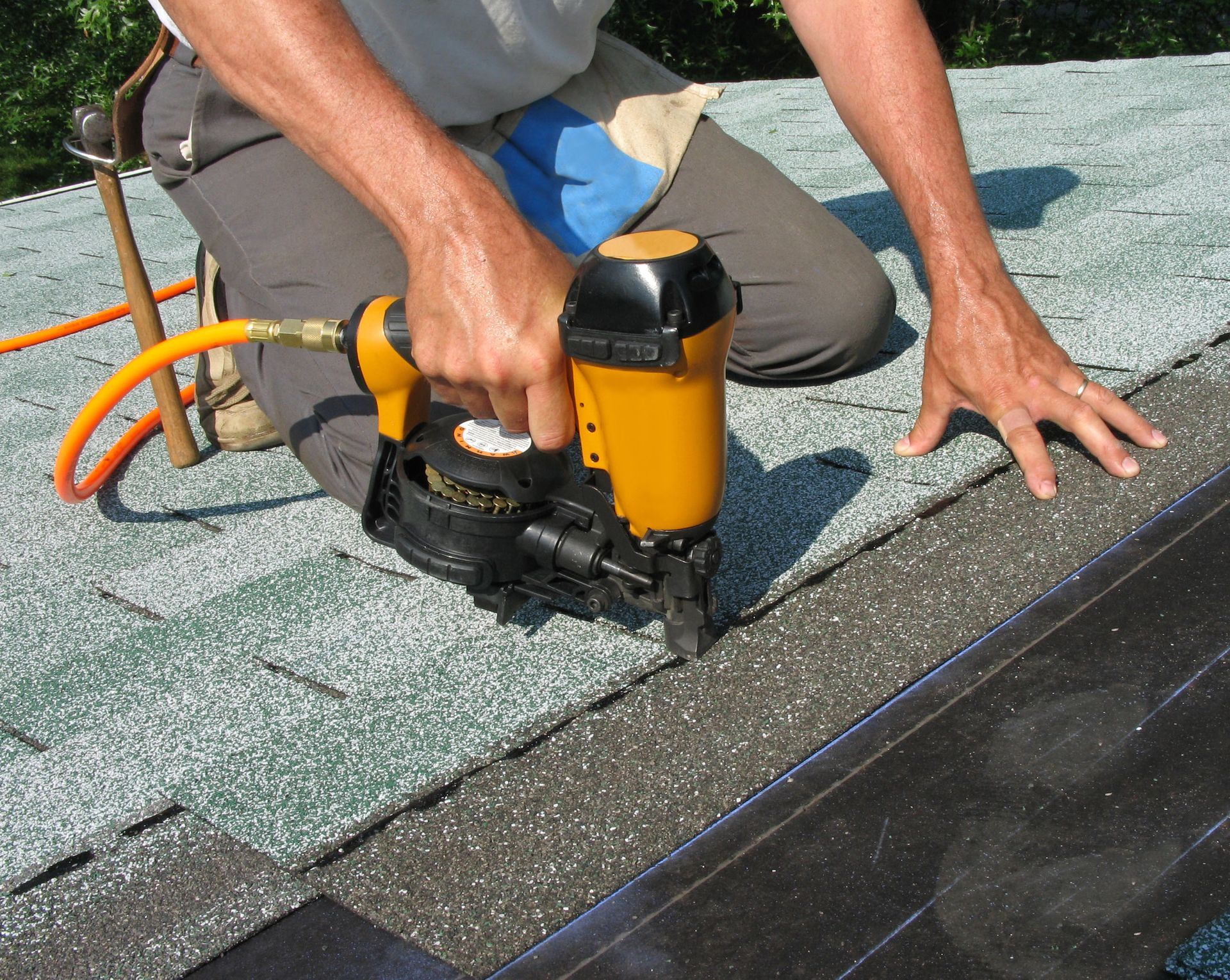
TPO roofing is commonly used on commercial buildings because it can provide durable protection and energy-efficient performance. Proper installation requires attention to seams, flashing details, roof penetrations, and drainage design. An experienced commercial roofer can help support long-term performance and water resistance through proper installation practices.
Maintain Durability and Longevity
TPO roofing can provide years of dependable performance when properly installed and maintained. Strong seams and resistance to common weather-related wear make it a practical choice for many commercial properties. Routine inspections and maintenance help identify issues early and support the longevity of the roofing system.
Practical Overview of Flat Roofing Systems
Understand Design and Material Options
Flat roofing systems are widely used on commercial buildings because they efficiently cover large roof areas while accommodating rooftop equipment and drainage systems. Commercial flat roofs can be constructed using various membrane and roofing materials depending on building requirements and project goals. Their versatility makes them suitable for many types of commercial structures.
Guide Installation Considerations
Proper installation is critical for any flat roofing system. Attention to drainage, flashing details, penetrations, and seam integrity helps reduce the risk of leaks and premature wear. A commercial roofer should carefully evaluate site conditions and building requirements before installation begins.
Support Durability and Service Life
When properly installed and maintained, flat roofing systems can provide dependable long-term performance. Routine inspections help identify minor concerns before they become larger problems. Durability depends on factors such as weather exposure, building use, maintenance practices, and material selection.
Optimize Energy Performance
Many commercial flat roofing systems are designed to help manage heat absorption and improve building efficiency. Reflective roofing surfaces may help reduce heat gain during warmer months, supporting more consistent indoor temperatures. Performance can vary depending on the materials selected and the building environment.
Steady Overview of Metal Roofing
Understand Composition and Material Properties
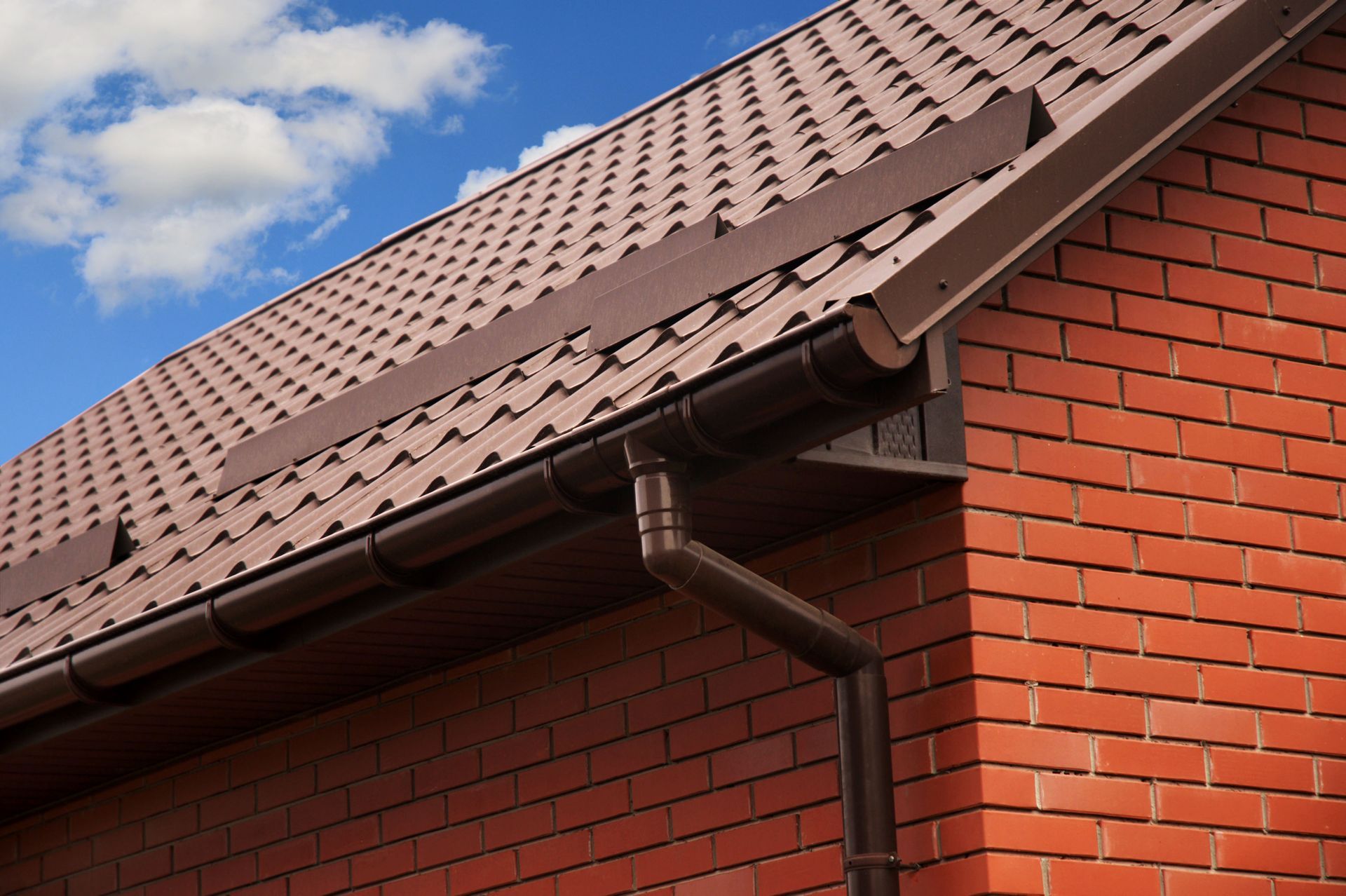
Metal roofing is a durable commercial roofing option known for its strength and resistance to weather exposure. Commercial metal roofing systems are designed to withstand challenging conditions while providing long-lasting protection for a variety of building types. These systems are frequently selected for their longevity and performance.
Manage Installation Process
Metal roofing installation requires precision and attention to detail to create a secure, weather-resistant roofing system. Proper fastening, flashing installation, and panel placement are essential components of a successful commercial metal roofing project. A commercial roofer with experience in metal roofing can help ensure the system performs as intended.
Preserve Durability and Longevity
One of the primary advantages of metal roofing is its long service life. Metal roofing systems are valued for their ability to resist weather-related damage and maintain their structural integrity over time. Regular inspections and maintenance can help maximize performance and longevity.
Balanced Comparison of Commercial Roofing Systems
Compare Performance in Various Climates
Each roofing system offers distinct advantages depending on environmental conditions. TPO roofing is often selected for its reflective properties in warmer climates. Flat roofing systems provide versatility across many commercial applications, while metal roofing is known for its ability to perform well under a variety of weather conditions.
Evaluate Resistance to Weathering and Damage
TPO roofing offers resistance to many common forms of weather-related wear. Flat roofing systems can provide dependable protection when properly installed and maintained. Metal roofing is recognized for its durability and resistance to wind, rain, and other environmental factors.
Understand Lifespan Expectations
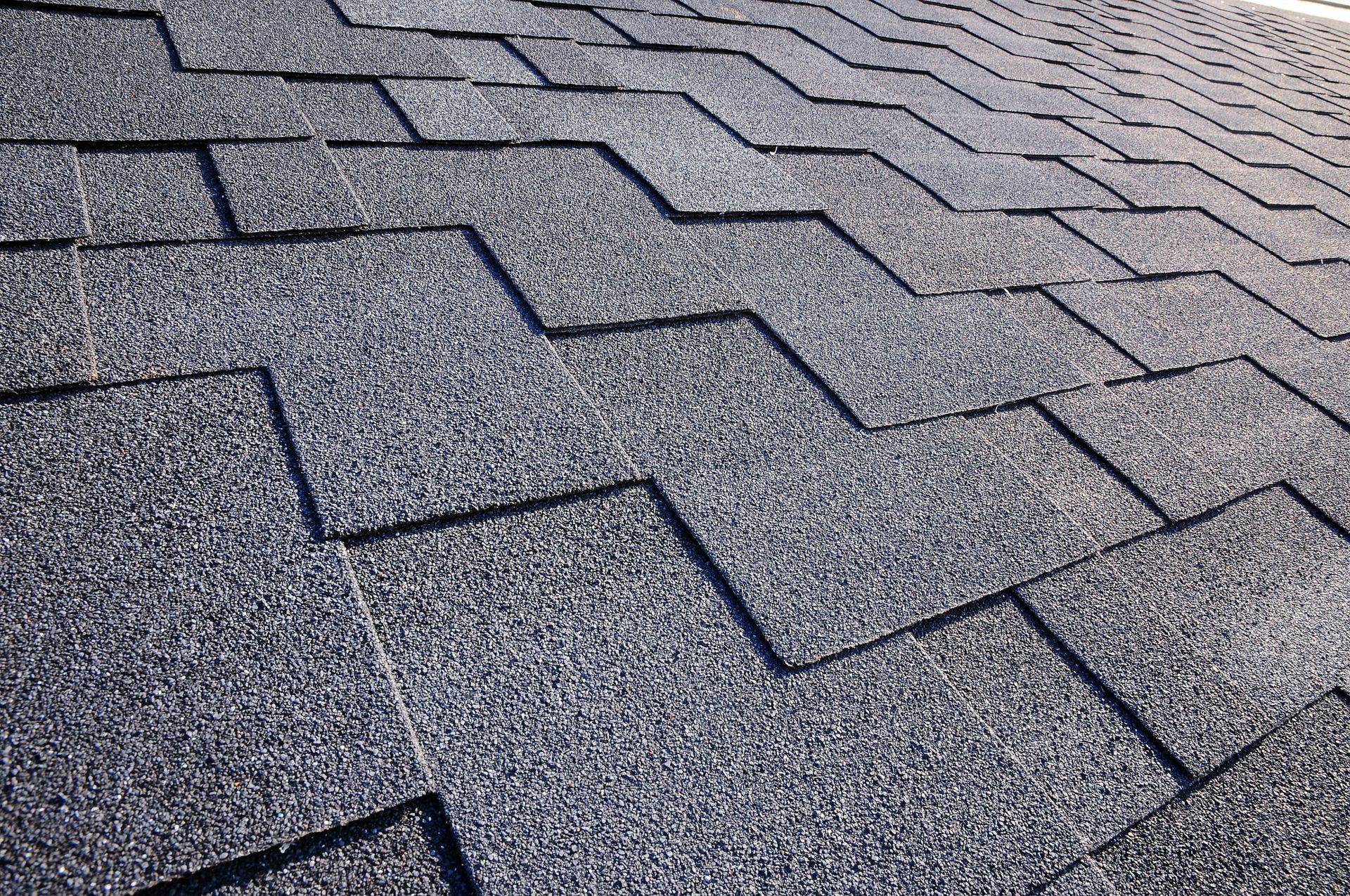
Service life varies depending on the roofing material, installation quality, maintenance practices, and local environmental conditions. According to This Old House, asphalt shingle roofs typically last between 15 and 30 years. Regular inspections and timely repairs can help maximize the lifespan of any commercial roofing system. Ongoing care plays an important role in preserving performance.
Weigh Energy Efficiency Considerations
Energy performance is an important factor when selecting a commercial roofing system. TPO roofing and many flat roofing systems offer reflective properties that may help reduce heat gain, while metal roofing can also contribute to improved building efficiency through reflective finishes and durable construction. These benefits should be evaluated alongside other project requirements.
Structured Considerations for Commercial Roofing Projects
Plan Maintenance Needs
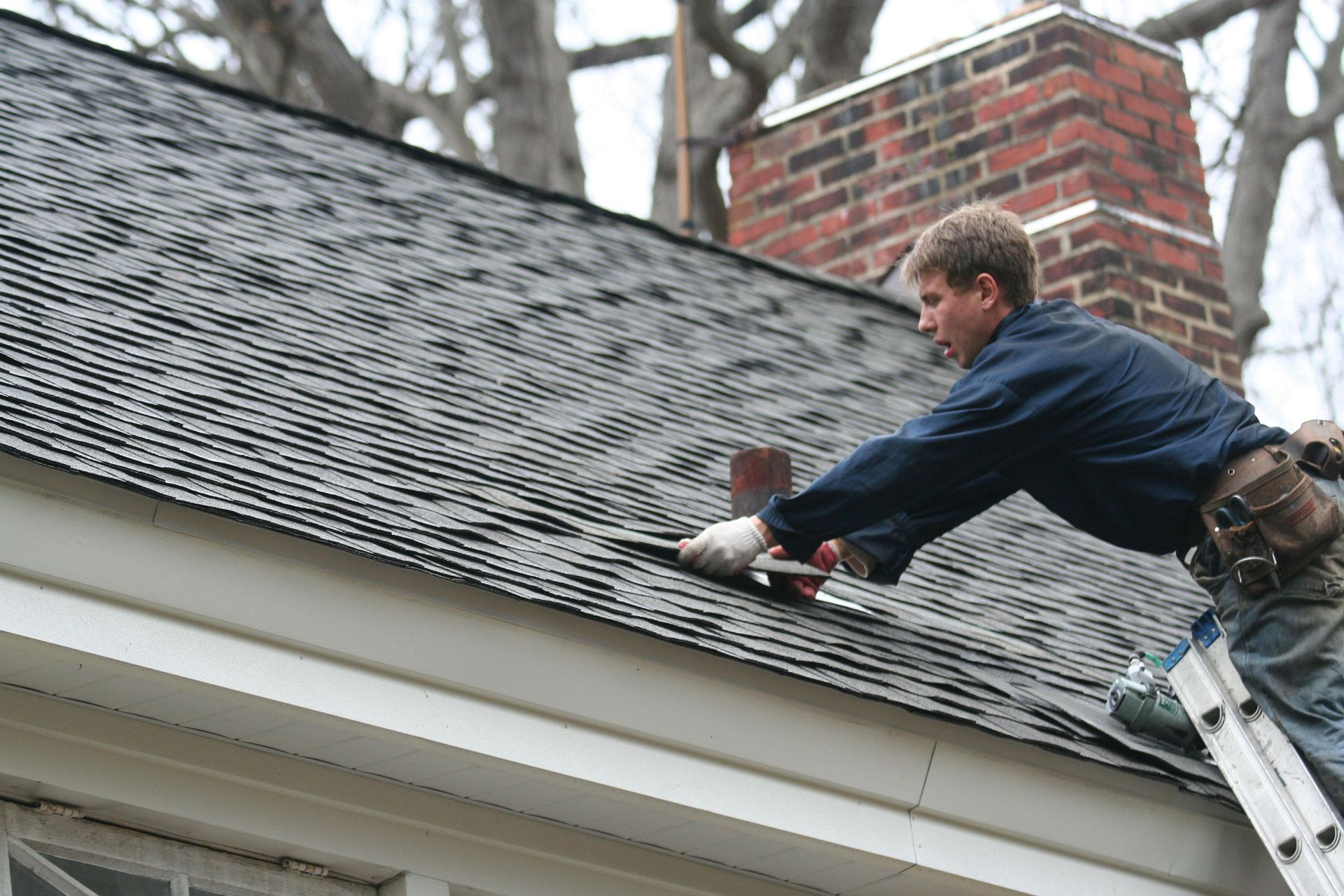
Regular maintenance helps extend the life of commercial roofing systems and reduce the likelihood of major repairs. Routine inspections can identify developing issues before they become more costly problems. A commercial roofer can help establish a maintenance schedule that supports long-term performance.
Handle Repairs and Upkeep
Every roofing system may require repairs during its service life. Addressing minor concerns promptly can help preserve roof performance and prevent more extensive damage. Establishing a maintenance plan can support long-term roofing reliability.
Follow Compliance with Building Requirements
Commercial roofing projects should be planned and completed in accordance with applicable building requirements and project specifications. Careful planning helps ensure the selected roofing system is appropriate for the structure and intended use. Compliance considerations should be reviewed before work begins.
Prioritize Safety Considerations
Safety remains a priority during roofing installation, maintenance, and repair work. Proper procedures, equipment, and project planning help reduce risks while supporting efficient project completion. A strong focus on safety benefits both workers and property owners.
Organize Material Selection and Project Planning
Material selection should take into account project timelines, building requirements, environmental conditions, and long-term maintenance goals. Planning ahead can help keep commercial roofing projects on schedule and aligned with operational needs. Reviewing available options early can simplify decision-making.
Applied Uses of Commercial Roofing Materials
Apply TPO Roofing for Commercial Buildings
TPO roofing is commonly used on commercial properties that require a durable membrane roofing system with reflective surface characteristics. It is frequently selected for flat and low-slope roof designs. Its performance characteristics make it a practical option for many facilities.
Apply Flat Roofing Systems for Large Structures
Flat roofing systems are widely used on office buildings, retail properties, warehouses, and other commercial facilities because they can efficiently cover large roof areas while accommodating rooftop equipment and drainage components. These systems can be adapted to a variety of commercial needs. Their versatility contributes to their popularity.
Apply Metal Roofing for Long-Term Performance
Metal roofing is often chosen for commercial buildings seeking durability and resistance to weather exposure. Its long service life makes it a popular option for many property owners. Many projects prioritize metal roofing because of its lasting performance.
Align Selection of Commercial Roofing Systems
The most appropriate roofing system depends on factors such as building design, budget, maintenance expectations, and environmental conditions. Evaluating these factors with a commercial roofer can help determine which solution aligns with the needs of the property. Careful planning can help support long-term performance goals.
Selecting the right commercial roofing system involves balancing durability, maintenance requirements, energy performance, and long-term value. Whether a property is better suited for TPO roofing, flat roofing, or metal roofing depends on the building's unique needs and goals. For property owners looking to learn more about available options and professional roofing solutions, Dalton Roofing Inc and a commercial roofer from its team can provide guidance on commercial roofing systems designed to support lasting performance and protection.