April 27, 2026
Roof replacement decisions often begin with material selection, but the guidance of a roofing contractor is just as important as the products themselves. Homeowners comparing dimensional asphalt shingles with traditional asphalt roofing options are usually balancing appearance, durability, and long-term performance. A roofing contractor plays a key role in translating technical differences into practical expectations so that homeowners can make informed choices.
The roofing system above a home does more than provide shelter. It influences energy efficiency, structural protection, and curb appeal. Because of this, a roofing contractor evaluates not only the visible surface materials but also the underlying structure, ventilation, and installation requirements. Understanding how each roofing option performs under real conditions helps ensure that the investment remains sound for years.
Comparing Dimensional Asphalt Shingles and Traditional Roofing Options
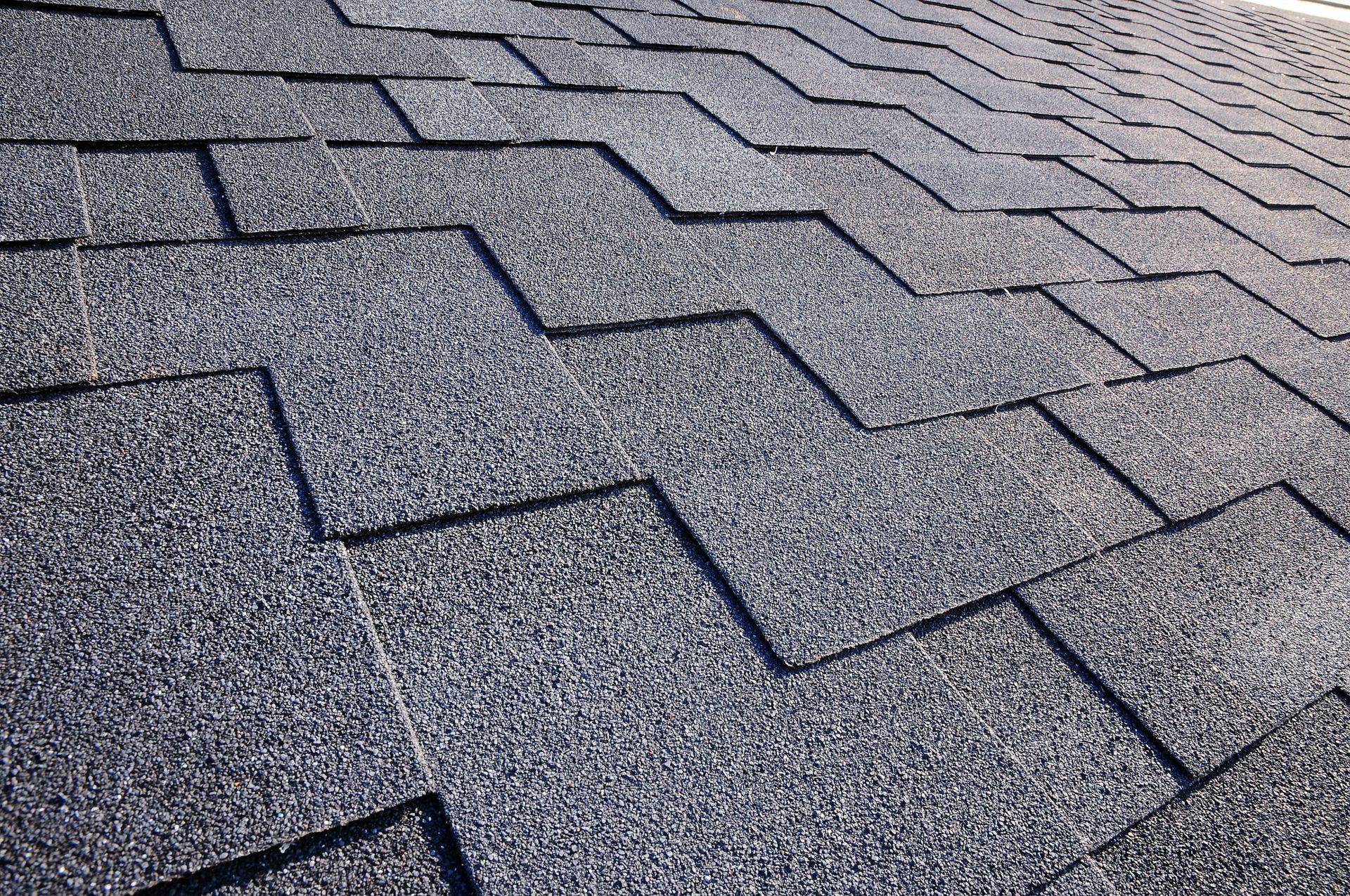
Dimensional asphalt shingles are designed with a layered construction that creates depth and a more varied visual profile. Traditional asphalt roofing materials have a flatter, more uniform appearance. A roofing contractor often explains that this difference in texture can significantly affect how a roof complements the overall style of a home.
A roofing contractor also emphasizes that dimensional shingles tend to be associated with a more modern architectural look, while traditional options maintain a simpler aesthetic that some homeowners prefer. The decision is not only about appearance but also about how each material integrates with the home’s design and surrounding environment.
Beyond aesthetics, a roofing contractor evaluates how each system performs under daily exposure. Weather conditions, sunlight intensity, and moisture levels all influence material behavior over time. By assessing these factors, a roofing contractor helps ensure that the selected roofing system aligns with both functional needs and visual expectations.
Evaluating Durability and Environmental Performance
Durability is one of the most important considerations when selecting roofing materials. Dimensional shingles are engineered with multiple layers that increase their resistance to wind and impact. A roofing contractor often highlights that this structure helps them maintain integrity under changing weather conditions.
Traditional asphalt roofing materials can still provide reliable protection, but a roofing contractor may point out that they typically have a simpler structure that may not offer the same level of reinforcement. This difference can become more noticeable in regions with frequent storms or temperature fluctuations.
Environmental performance also plays a role in decision-making. A roofing contractor evaluates how well a material handles heat exposure, moisture retention, and seasonal stress. Over time, these factors can influence not only the roof’s lifespan but also its maintenance requirements. A roofing contractor uses this information to guide homeowners toward materials that suit their specific environment.
Exploring Cost, Value, and Long-Term Investment
Cost considerations often influence roofing decisions, but a roofing contractor encourages homeowners to think beyond initial pricing. Traditional asphalt roofing materials are generally chosen for their lower upfront cost, making them appealing for short-term budgeting needs.
A roofing contractor also explains that dimensional shingles may require a higher initial investment but often provide added value through improved durability and reduced maintenance demands. Over time, this can contribute to more stable long-term performance.
Value is not measured solely in financial terms. A roofing contractor also considers how a roof contributes to home resale appeal, energy efficiency, and overall structural protection. These elements collectively shape the long-term return on investment. By evaluating both immediate and future benefits, a roofing contractor helps homeowners make balanced decisions.
Choosing Roofing Materials for Home Compatibility
Selecting roofing materials involves more than comparing product features. A roofing contractor assesses how different materials align with the home’s architectural style, structural condition, and environmental exposure. These factors help ensure that the roof functions effectively while maintaining visual harmony.
A roofing contractor also considers homeowner preferences related to maintenance expectations and aesthetic goals. Some homeowners prioritize a bold, textured appearance, while others prefer a more subtle and traditional look. A roofing contractor helps bridge these preferences with practical performance considerations.
Structural compatibility is another essential factor. A roofing contractor evaluates whether the home’s framework can support specific materials and ensures that installation will not compromise safety or performance. This careful assessment helps prevent future complications and supports long-term roof stability.
Installing Roofing Systems With Professional Precision
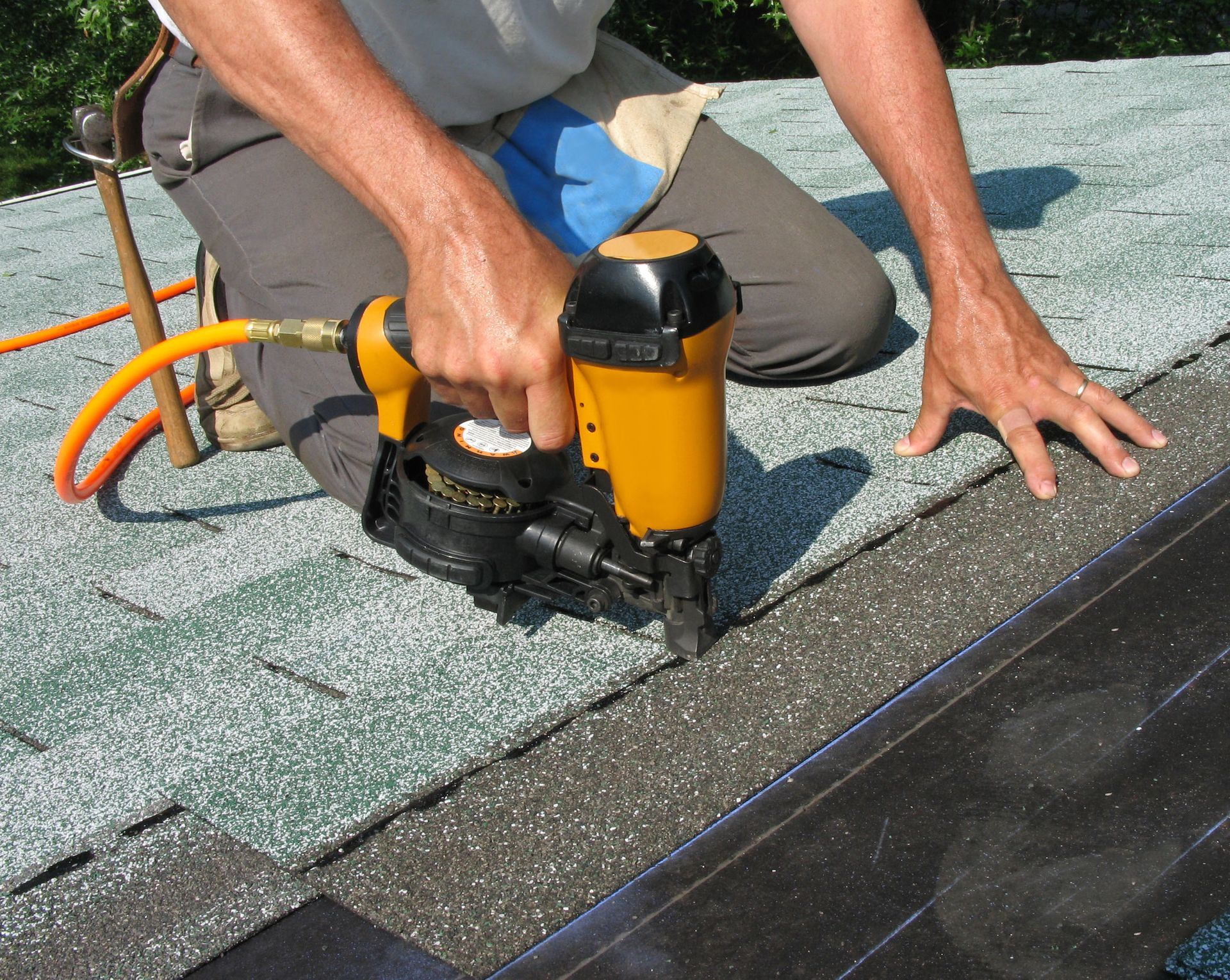
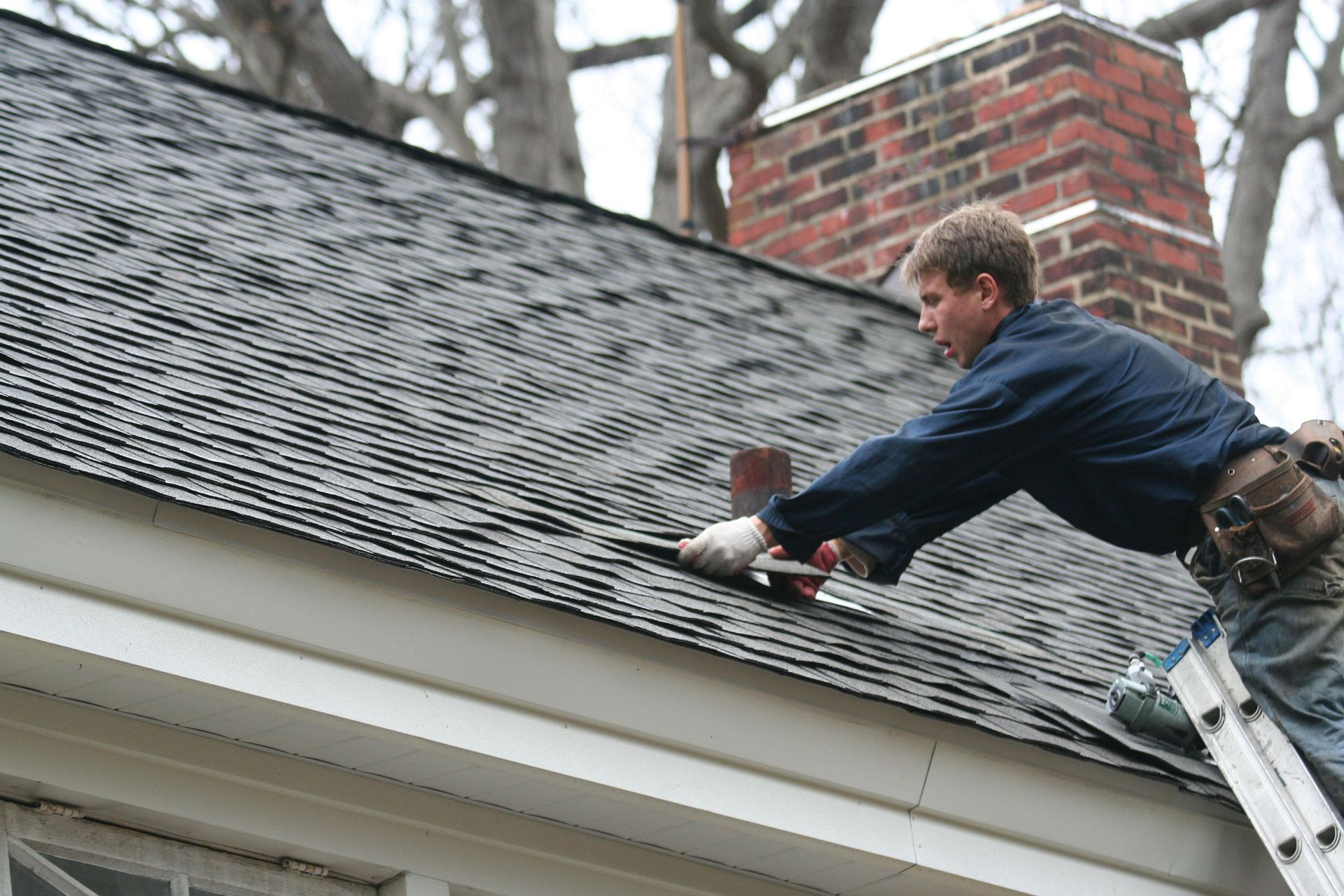
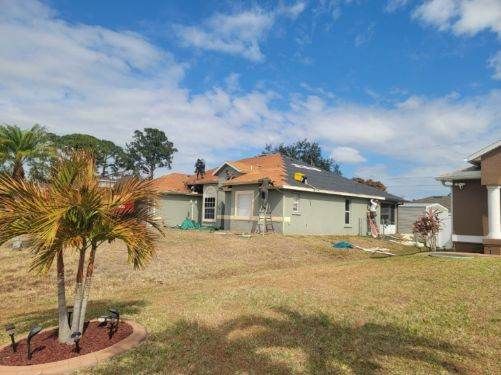
Proper installation is critical to the success of any roofing system. A roofing contractor follows detailed procedures to ensure each component is placed correctly and securely. This includes preparing the roof surface, aligning materials accurately, and verifying that all sealing elements are properly applied.
A roofing contractor understands that even high-quality materials can fail if installation is not performed correctly. Dimensional shingles, with their layered structure, require precise placement to achieve both their visual and protective benefits. Attention to detail during installation directly impacts long-term performance.
In addition to surface installation, a roofing contractor also evaluates ventilation and underlayment systems. These components help regulate temperature and moisture beneath the roof surface. When properly installed, they contribute significantly to the overall durability and efficiency of the roofing system.
Maintaining Roof Condition and Preventing Damage
Ongoing maintenance is essential for preserving roof performance. A roofing contractor often recommends routine inspections to identify early signs of wear, damage, or environmental impact. This proactive approach helps prevent minor issues from developing into larger structural concerns.
A roofing contractor may also advise homeowners to observe changes in roof appearance after severe weather events. Shifts in material alignment or visible surface irregularities can indicate the need for maintenance or repair.
Dimensional shingles may require less frequent attention due to their reinforced structure, but a roofing contractor still emphasizes the importance of periodic evaluations. Traditional asphalt roofing materials may need closer monitoring depending on environmental exposure. Regular maintenance supports long-term reliability and helps extend the life of the roof system.
Understanding Real-World Roofing Decisions and Outcomes
Homeowners often make roofing decisions based on a combination of timing, budget, and long-term planning. A roofing contractor helps clarify how these factors interact with material performance and installation quality. This guidance ensures that decisions are grounded in practical outcomes rather than short-term assumptions.
According to Rooflink, one in four new homeowners replaces their roof within four years — often after discovering hidden damage or wanting modern materials.
A roofing contractor frequently encounters situations where early roof replacement could have been avoided with more thorough inspection or better material selection. This highlights the importance of professional evaluation before committing to a roofing system.
By working with a roofing contractor, homeowners gain access to expertise that helps reduce uncertainty and improve long-term satisfaction with their roofing investment. A roofing contractor helps homeowners make confident, informed roofing decisions that lead to better long-term results.
Choosing between dimensional asphalt shingles and traditional roofing materials involves more than comparing appearance or cost. A roofing contractor evaluates performance, compatibility, and long-term value to help homeowners make informed decisions. Each roofing system offers distinct advantages, but the success of either option depends heavily on proper selection and installation.
A roofing contractor also plays a vital role in ensuring that maintenance and environmental factors are considered from the beginning. This approach helps protect the home while supporting long-term durability and efficiency.
For homeowners seeking professional guidance and reliable roofing solutions, Dalton Roofing Inc provides reliable expertise and quality service from detailed roof inspections and material recommendations to professional installation support and long-term maintenance guidance tailored to each home’s specific needs, conditions, and budget expectations.