
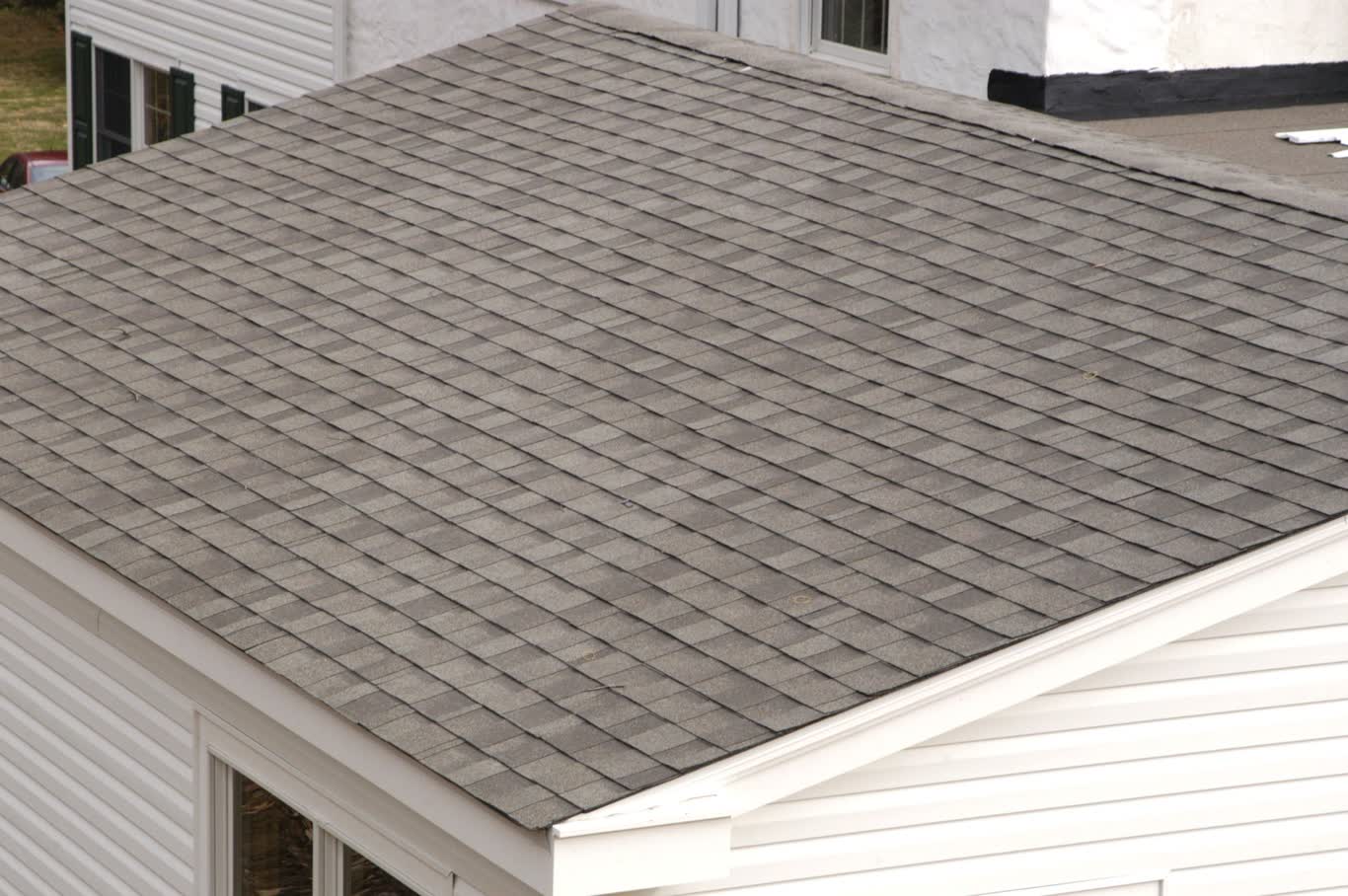
In Florida, replacing your roof almost always requires a building permit — pulled by a licensed roofing contractor — and the finished work has to pass inspection. If your home sits inside a homeowners’ association, you usually also need architectural (HOA) approval before work begins. These are two separate green lights: one governmental, one private. On the Treasure Coast, most roof replacements need both, and a 2024 state law now limits how far an HOA can go in saying no.
The Process in 6 Steps
- Confirm whether your project needs a permit — full replacements and most repairs do; only minor repairs may be exempt.
- Hire a Florida-licensed roofing contractor — only a licensed contractor (or a homeowner as owner-builder) can pull a roofing permit.
- Submit your HOA architectural application early, with the contractor’s material and color specification attached.
- Your contractor files the building permit with your city or county building department.
- For contracts above a set statutory threshold, a Notice of Commencement is recorded with the county clerk before work begins.
- The work passes its inspections — an in-progress (dry-in) check and a final — and the permit is closed out.
Do You Need a Permit to Replace or Repair a Roof in Florida?
For a full roof replacement, the answer is yes. A re-roof changes a structural, weather-resistant system that has to meet the Florida Building Code, so your city or county building department issues a permit and then inspects the work before signing off. Many roof repairs also require a permit, particularly anything that touches the deck, underlayment, or a large area of the surface.
Some genuinely minor repairs — replacing a handful of shingles or sealing a small leak — may be exempt, but the exemption rules are set locally and differ from one municipality to the next. On the Treasure Coast, St. Lucie County, Martin County, Indian River County, and the Palm Beach County jurisdictions each publish their own re-roof permit requirements. The safe move is to confirm with your building department, or simply let your contractor handle it as part of the job.
Skipping the permit is a costly gamble. Unpermitted roofing work can trigger a stop-work order and fines, fail inspection and have to be torn off and redone, complicate or kill an insurance claim if the roof is later damaged, and surface as a problem during a future home sale or appraisal. The permit is a small, predictable cost compared with any one of those outcomes.
Do You Need a Permit for a Roof Repair, Specifically?
A repair is treated differently from a full replacement, and the line between “needs a permit” and “doesn’t” is set by the local building department, not by state law. In St. Lucie County, the Building Division’s published exemption list allows repairs valued under $2,500 that do not affect structural integrity, fire-rated assemblies, or means of egress to proceed without a permit — and it specifically names minor soffit and fascia repairs that do not involve structural members as an example. Even an exempt repair still requires a building-permit exemption application to be filed for verification — it is not a permit-free process, just a lighter one.
That St. Lucie County threshold does not automatically apply in Martin County, Indian River County, or the Palm Beach County jurisdictions Dalton also serves; each publishes its own repair-permit rules. A patch job, a handful of replaced shingles, or a small section of resealed flashing may or may not need a permit depending on where the home sits and what the repair touches — the safest step is to ask your building department or have your contractor confirm before work begins.
Who Pulls the Permit — and Why It Should Be a Licensed Contractor?
In Florida, a roofing permit is pulled by a licensed contractor or, in limited cases, by the homeowner acting as an “owner-builder” on their own residence. In practice, your roofing contractor files the permit for you and carries responsibility for code compliance.
Going the owner-builder route to save a few dollars usually backfires. It puts the legal responsibility for code compliance on you, can complicate or void manufacturer material warranties, and many insurers expect a licensed contractor’s installation for coverage. After a major storm, unlicensed “storm chasers” also appear across the Treasure Coast offering fast, cheap roofs — work that is unregulated and may never be properly permitted.
Before you sign anything, verify the contractor’s license. You can look up any Florida roofing contractor through the state’s Department of Business & Professional Regulation license search. Dalton Roofing holds Florida State Certified Roofing Contractor license #CCC1330147 and has served the Treasure Coast and Palm Beach County with 20+ years of experience.
What Is a Notice of Commencement, and When Is One Required?
One step that surprises homeowners is the Notice of Commencement — a document recorded with the county clerk that publicly identifies the property, the owner, and the contractor before construction starts. It exists to protect everyone in the payment chain under Florida’s construction lien law.
For a project whose direct contract value exceeds a set statutory threshold, a copy of the recorded Notice of Commencement must be provided to the building department before the first inspection, and the department will not approve later inspections until it is on file (s. 713.135, Florida Statutes). Under s. 713.13, a Notice of Commencement also becomes void if the improvement does not actually begin within 90 days of recording, so the timing should track your real start date.
For a typical roof replacement, the contract value is well above that statutory threshold, so a Notice of Commencement applies. Your contractor normally prepares and records it as part of the permit process, but the homeowner signs it, so it is worth understanding what you are signing.
What Does the County Check During Roof Permit Inspections?
A permit is not closed until the work passes inspection. Most Florida jurisdictions inspect a re-roof at two key stages: an in-progress “dry-in” inspection after the underlayment and any secondary water barrier are installed, and a final inspection once the new roof covering is complete.
These inspections are a feature, not a hurdle. They confirm that fastening patterns, underlayment, and flashing meet code — the same details that determine how your roof performs in a hurricane and how an insurer treats a future claim. Keep your closed permit and inspection records; they are useful documentation for insurance, for a wind-mitigation credit, and when you eventually sell the home. A pre-work roof inspection from a licensed contractor helps you head into the permit process knowing what the job actually requires.
Do You Need HOA Approval to Replace Your Roof?
If your home is in a community with a homeowners’ association, the building permit is only half the picture. Most HOAs with architectural controls require you to submit an application to the architectural review committee (ARC) and receive approval before roofing work starts. The committee typically wants the proposed material, color, and profile so the new roof fits the community’s standards.
An HOA’s authority is not unlimited. Under Chapter 720, Florida Statutes, an association can enforce only the architectural restrictions that are actually established in — or reasonably inferred from — its recorded declaration of covenants and adopted rules. It cannot invent new standards on the fly. Even so, where valid restrictions exist, they are enforceable, so plan around them.
The practical risk is timing. ARC review can take several weeks, and submitting late is the most common way homeowners stall an otherwise straightforward project. Pull your governing documents, find the architectural-review process, and submit early — ideally in parallel with lining up your contractor.
What Can and Can’t an HOA Do Under Florida’s 2024 Hurricane-Protection Law?
A 2024 Florida law added new protections for homeowners installing hurricane-resistant improvements. Codified at Section 720.3035(6), Florida Statutes, it applies to every HOA in the state, regardless of when the community was created.
The law does two things. First, it requires the board or architectural committee to adopt hurricane-protection specifications for the structures it governs. Second, notwithstanding anything in the community’s governing documents, the committee “may not deny an application for the installation, enhancement, or replacement of hurricane protection by a parcel owner which conforms to the specifications adopted by the board or committee.” The statute’s definition of “hurricane protection” expressly includes roof systems recognized by the Florida Building Code that meet ASCE 7-22 standards, alongside storm shutters, impact-resistant windows and doors, and similar products.
Read it carefully, though. The protection applies to applications that conform to the HOA’s adopted specifications — it does not erase the association’s control over appearance, such as color and style, and it does not guarantee that any particular roof is automatically approved. The takeaway: ask your HOA for its current hurricane-protection specifications, then choose a code-compliant roof that fits within them. (This article is general information, not legal advice; confirm specifics with your building department and your association’s governing documents.)
How Does a Building Permit Differ From HOA Architectural Approval?
The two approvals serve different masters and cover different ground. Here is how they compare.
| Aspect | Building Permit (Government) | HOA Architectural Approval (Private) |
|---|---|---|
| Who requires it | Your city or county building department, under the Florida Building Code | Your homeowners’ association, under its recorded governing documents |
| What it governs | Code compliance, structural safety, and wind-uplift performance | Appearance — material, color, and profile — within HOA specifications |
| Who submits it | Your licensed roofing contractor (or an owner-builder) | The homeowner, to the architectural review committee |
| Legal basis | Florida Building Code and local ordinances | Chapter 720, Florida Statutes, and your declaration of covenants |
| Typical timeline | A few business days to a couple of weeks | Often several weeks — submit early |
| If you skip it | Stop-work order, fines, failed inspection, insurance and resale problems | Fines and an order to modify or remove non-conforming work |
What Is the Right Order of Operations on the Treasure Coast?
Because HOA review is usually the slowest step, start there. Submit your architectural application as soon as you have a contractor and a material spec, then let the permit and construction follow.
- Submit the HOA architectural application with your chosen material, color, and profile — this is usually the longest lead time.
- Sign a contract with a licensed roofer and confirm the license through DBPR.
- Your contractor pulls the building permit from the local jurisdiction — for example, the City of Port St. Lucie or the relevant county building department in Stuart and the surrounding Martin County area.
- Record the Notice of Commencement (for contracts above that statutory threshold) before the first inspection.
- Complete the work and pass inspections; keep the closed permit and HOA approval letter with your home records.
Handled in this order, permits and HOA approval add structure rather than delay. A licensed contractor who works in your county every week will know the local building department’s requirements and can keep both tracks moving in parallel.